

A metal-tag business idea only becomes a business when the quote covers accepted output. A customer may ask for fifty personalized tags, but the shop buys more than fifty blanks, proofs artwork, manages names or numbers, inspects each mark and packs the order. TYVOK P2 Ultra is designed for compact metal marking. The useful question is whether your exact tag, finish and order process create enough contribution after those steps.

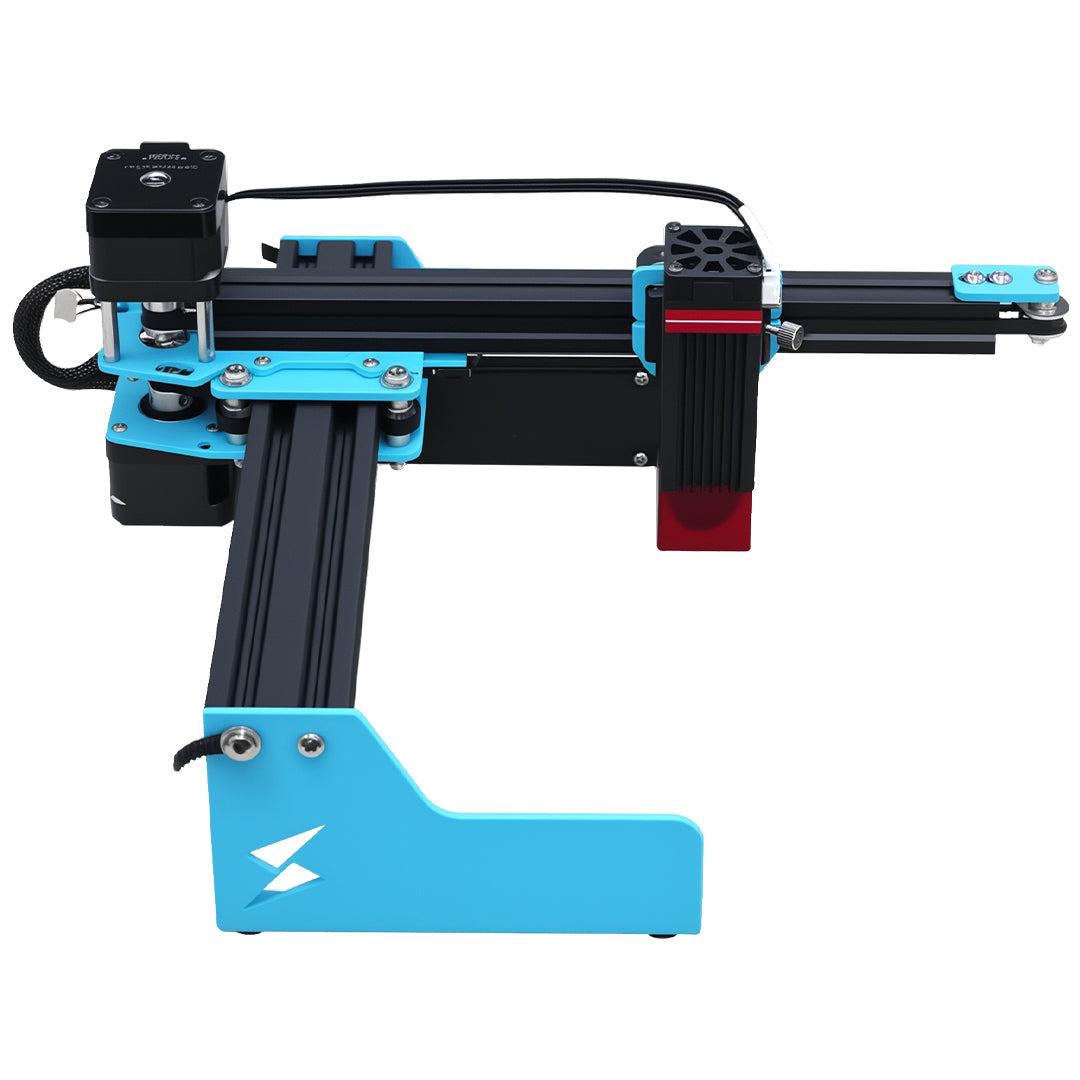
Official P2 Ultra product image; projected margins below are a worksheet, not a sales claim.
Choose one tag product and one buyer
Do not start with a catalog of every metal. A shop could offer anodized pet tags with names, stainless tool IDs with asset numbers, or brass gift tags with a logo. Each has a different buyer, approval burden and failure mode. Select one blank size and supplier, then define what the customer receives: mark on one or two sides, variable text limit, proof policy, hardware, packaging and delivery time. This lets the quote describe a real offer instead of a generic “engraving service.”
For a business customer, confirm whether numbers must match an external asset database. For a consumer order, confirm spelling and whether changes are allowed after proof approval. In either case, keep the approved list in a versioned file. A perfect mark on the wrong blank or with the wrong name is still a rejected part.
Calculate cost per accepted tag
Record blank cost including freight and waste. Time a complete sample order: inquiry, artwork cleanup, proof, fixture setup, red-light alignment, laser operation, cleaning, inspection and packaging. Then divide labor and material cost by accepted tags, not attempted tags. Add overhead and your target profit separately. This exposes whether a one-off personalized tag needs a minimum order fee while a repeat batch can be cheaper per unit.
The P2 Ultra official purchase page lists a 20W 1064 nm fiber source and 150 × 150 mm marking area. Those machine facts help screen blank sizes, but the advertised maximum scanning speed is not your finished-product throughput. A number that ignores typing, proofing and hand placement will overstate capacity. Test the exact material lot and mark style before using a production-time assumption.
| Quote line | Ask before pricing | Put in your worksheet |
|---|---|---|
| Blank | What metal, coating and dimensions? | Landed cost plus spare allowance |
| Artwork | Logo, names, serials or a code? | Setup and proof time |
| Handling | One-off placement or repeat fixture? | Operator minutes per accepted part |
| Quality | Visual read, scan or formal grade? | Inspection and possible verifier cost |
| Delivery | Individual bags or bulk pack? | Packaging and fulfillment |
Test the margin with a conservative order
Run a pilot using a realistic quantity, perhaps the size of the order you expect to receive first. Mark at least one extra blank so you can see how rework affects cost. Inspect under normal customer lighting after a consistent cleaning step. Record which defects are cosmetic, which make the text unreadable, and which require a new blank. If customer text is variable, reconcile the name list with the finished pieces before counting accepted units.
Set a minimum fee for proof-heavy one-off work. For recurring business orders, charge for the initial artwork and fixture setup transparently, then quote a repeat price only when the same blank and design are retained. Do not promise a lower repeat price if supplier finishes vary enough to require a new qualification run. Keep a record of accepted samples so later orders can be compared honestly.
Write the customer order form to prevent remakes
Collect the exact text, capitalization, font choice where offered, hardware color, shipping address and approval contact in one place. For variable data, request a spreadsheet with one row per tag and a separate order ID. Reject ambiguous abbreviations before marking. Show the approved layout at actual size; then lock the file version and record late changes as a new revision. If the customer changes one name after production begins, quote a replacement blank and setup rather than quietly swapping rows. This discipline protects margin because many apparent machine problems are actually input and approval problems. It also gives the customer a clear way to check what they purchased.
Decide what to sell and buy
If small metal tags pass the finish test and the contribution per accepted piece covers your fixed costs at plausible order volume, compare P2 Ultra purchase options. Check regional package contents, extraction, Windows TyvokWorks support and the actual fixture you need. A rotary accessory is irrelevant to a flat-tag business unless you later add cylinders.
Is metal-tag engraving automatically profitable? No. Demand, local price, reject rate and labor determine it.
Should the machine's scan speed set the selling price? No. Time the whole order.
What is the first test to run? One exact blank and actual customer-style artwork, followed by an accepted-piece cost calculation. See P2 Ultra specifications and current buying terms as one input to that test.