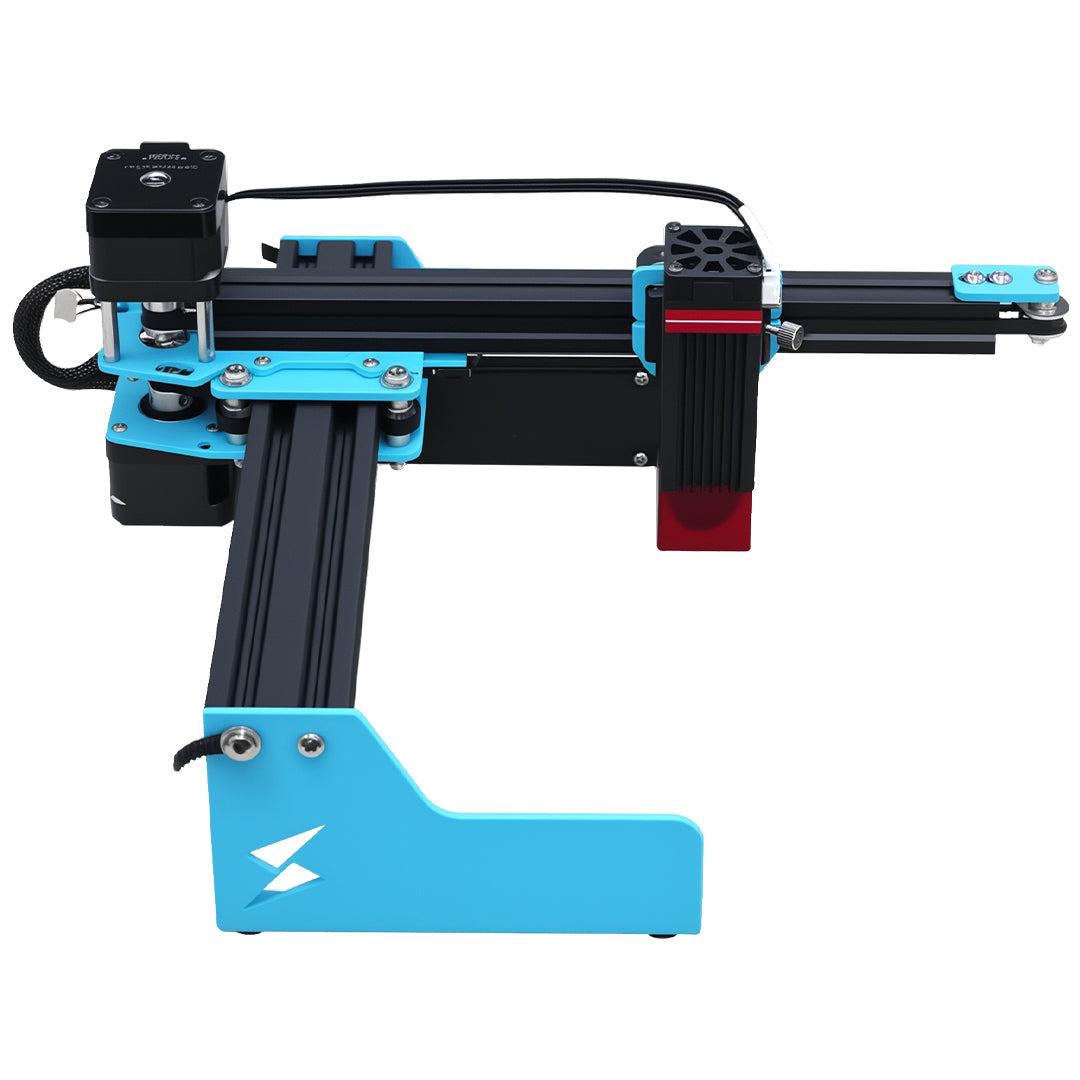


A “craft grade” label does not establish that plywood is suitable for laser processing. Ask for the exact sheet construction, adhesive and surface-treatment information, together with supplier guidance for the intended laser process. If that information is missing, keep the sheet out of the A1 Mini until suitability is resolved.

xTool's wood guide discusses grain, resin and sheet construction as variables in laser work. For a beginner, those distinctions matter before searching for settings: two sheets sold under similar craft descriptions may have different internal construction.
Read the package as an identification record
Photograph the product label and retain the supplier's item number. A marketplace title or a picture of finished ornaments may help identify the intended use, but neither supplies the missing chemistry. Obtain documentation for that exact stock, including coatings and treatments, rather than accepting an answer about plywood in general.
An unfamiliar smell, visible glue line or clean-looking edge is not a reliable approval method. Do not burn an unknown sample to decide whether it is safe. A trial can assess the appearance of an already accepted material; it cannot establish the safety of unidentified ingredients.
Compare two hypothetical purchase options
Imagine one seller offers inexpensive sheets described only as “craft plywood.” Another identifies the construction and provides laser-processing guidance for the exact item. The first seller's lower price does not resolve the information gap. Ask both sellers the same questions before buying for an A1 Mini project.
| Material question | Useful supplier response |
|---|---|
| What is this exact item? | Traceable product code and construction |
| Which adhesive and finish are used? | Relevant composition and treatment information |
| Is laser processing intended? | Written guidance specific to the stock |
| Are there process restrictions? | Applicable handling and extraction requirements |
| Can later orders change? | A way to identify substitutions or new lots |
If the second seller provides sufficient documentation, compare it with the machine's material guidance before proceeding. If the first seller replies only “many crafters use it,” keep that option unapproved. This example compares the quality of available evidence, not the reliability of any particular retailer.
After material acceptance, use a supervised sample to judge appearance and practical process suitability. Label the sample with the sheet's item and lot information. Preserve a small unprocessed piece if useful for later visual comparison, but do not assume that a new delivery has identical construction.
A1 Mini material scope
The A1 Mini listing includes wood projects. A broad wood example does not approve every plywood adhesive, coating or thickness. Follow the current machine instructions and keep the process attended.
When the stock is documented, compare basswood and plywood for a first project using finish and project needs. The same naming problem occurs with plastics: cast-versus-extruded acrylic selection also requires compatibility evidence before geometry or scale becomes relevant.
Is a smooth surface enough to identify laser plywood?
No. Sanding quality tells you little about internal adhesives or an invisible treatment. Use traceable supplier information rather than surface appearance alone.
Can I use leftover furniture plywood for a small test?
Only after identifying its construction and treatments and establishing suitability for the intended process. An unknown offcut remains unknown even when the project is small or the proposed test takes little time.