

Set aside a leather blank with unexplained oily patches, wrinkles or uneven surface treatment before running a logo test. First establish its exact documented laser compatibility. Then decide whether the observed surface condition is acceptable; changing power cannot establish what the material contains or repair a physical crease.

The current xTool leather guide identifies surface preparation as a variable. That is relevant to intake inspection, but it does not supply TYVOK settings or make an unknown leather substitute safe.
Separate material identity from appearance
Keep supplier construction information with the order. A piece that looks like natural leather may contain a coating, backing or adhesive, and a familiar trade name may cover different constructions. If the supplier cannot confirm the exact stock and compatible process, quarantine it rather than conducting a burn test to decide whether it is safe.
For accepted material, inspect the intended marking area in consistent light. Note whether the patch is visibly oily, shiny, creased, stretched or uneven. Compare against unused stock from the same lot. Avoid improvising solvent cleaning: use only the supplier's documented preparation and allow the required condition before testing.
Use an intake decision before a settings decision
| P2 leather observation | Intake decision | Evidence to retain |
|---|---|---|
| Unidentified coating or backing | Hold the stock | Supplier clarification request |
| Persistent crease through logo area | Select a different blank or reject placement | Photograph with proposed logo boundary |
| Surface differs from approved sample | Requalify a representative sample | Lot and preparation record |
| Documented stock, consistent surface | Proceed to controlled proof | Sample reference and artwork version |
Imagine an order of twelve luggage tags where three show a glossy patch across the name area. Keep those three apart. Test a representative accepted blank using the established process. A good result on the other nine does not qualify the glossy three; it only supports the consistent stock group. This example explains segregation and is not a prediction of yield.
If the physical surface remains acceptable but engraving changes across the lot, compare documented preparation and sample identity before modifying multiple machine parameters. Keep the rejected sample instead of polishing away the evidence that prompted the decision.
Connect intake to the finished accessory
For a removable electronics cover, follow dimensioned logo approval once its surface has passed intake. If the design approaches stitching, the stitch-hole and soot check covers a different acceptance question: the relationship between the mark, holes and thread.
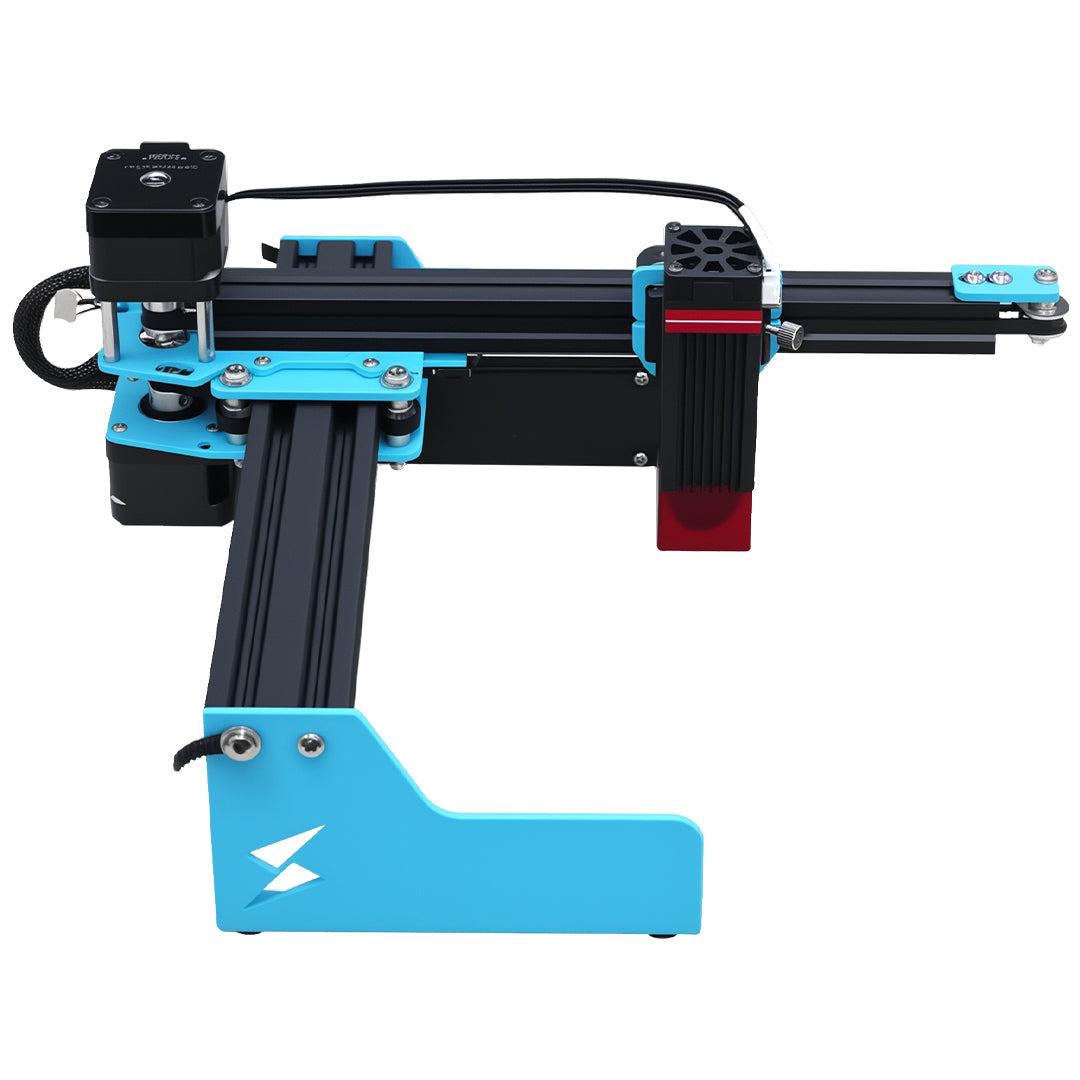
The TYVOK P2 product page presents leather personalization examples. Those examples establish an application direction, not universal approval for every leather, treatment or finish. Confirm the chosen configuration and supported setup, use matching scrap, and follow the current protection, extraction and supervision instructions.
Can I increase power to overcome an oily patch?
Do not use power as a substitute for intake acceptance. Identify the surface condition first. An uneven or undocumented patch can change the result while introducing material uncertainty.
Should I reject an entire lot because one blank is wrinkled?
Not automatically. Separate the affected pieces, inspect whether the issue is isolated, and retain lot identity. If the cause or construction affects the whole lot, hold it until clarified.