

Test the actual thread through cooled, cleaned stitch holes before assembling a leather order. A clean-looking face does not establish that the inside of each hole is free of loose residue. If light thread discolors while passing through the hole, change or reject the proposed process before sewing the finished item.

A leather-working discussion raises the practical problem of residue transferring from laser-cut holes to thread. The relevant acceptance test is the sewn seam, not simply the appearance of the leather immediately after cutting.
Make a miniature seam from the real materials
Use only a supplier-identified leather construction documented as suitable for the installed P2 head and intended operation. Exclude PVC, vinyl and unidentified faux leather; a familiar color or leather-like smell is not a material specification. Confirm the proposed thickness and hole procedure against current manufacturer guidance rather than assuming every P2 configuration can cut it.
Take small expendable coupons from the accepted lot. Keep hole geometry, spacing and material orientation representative of the project. Process only within documented conditions with extraction, operator protection, controlled access and continuous attendance. Stop for flame, persistent smoke or unusual heating. Let the samples become safe to handle before cleaning or threading them.
| Seam sample | Preparation | Compare after stitching |
|---|---|---|
| A: reference coupon | Inspect after cooling; no experimental cleaner | Thread color at entry, inside the seam and exit |
| B: intended cleanup | Use the leather supplier's permitted cleaning method | Transfer reduction and changes to finish or hole shape |
| C: handling check | Same accepted cleanup, then intended assembly handling | Whether bending or stitching releases further residue |
Use equal lengths from the intended thread spool, including the actual light color. Examine an unused length beside the sewn lengths under the same lighting. Record whether the transfer occurs at the first hole or accumulates across the seam. If a method only works with a darker thread, it has not met an order specified with light thread.
Reject the cleanup if it damages the seam
Do not assume a stronger solvent, an unknown coating or an extra laser pass is a safe cleaning method. Residue reduction is insufficient if the leather stiffens, the finish lifts, holes enlarge or the thread abrades. Obtain supplier guidance on a suitable cleanup method or use a separately validated non-laser hole-making process.
Once one construction and seam method pass, keep its lot details with the blank stock plan. A supplier substitution reopens the seam comparison; a previous good batch cannot qualify a new finish.
P2 fit for this assembly
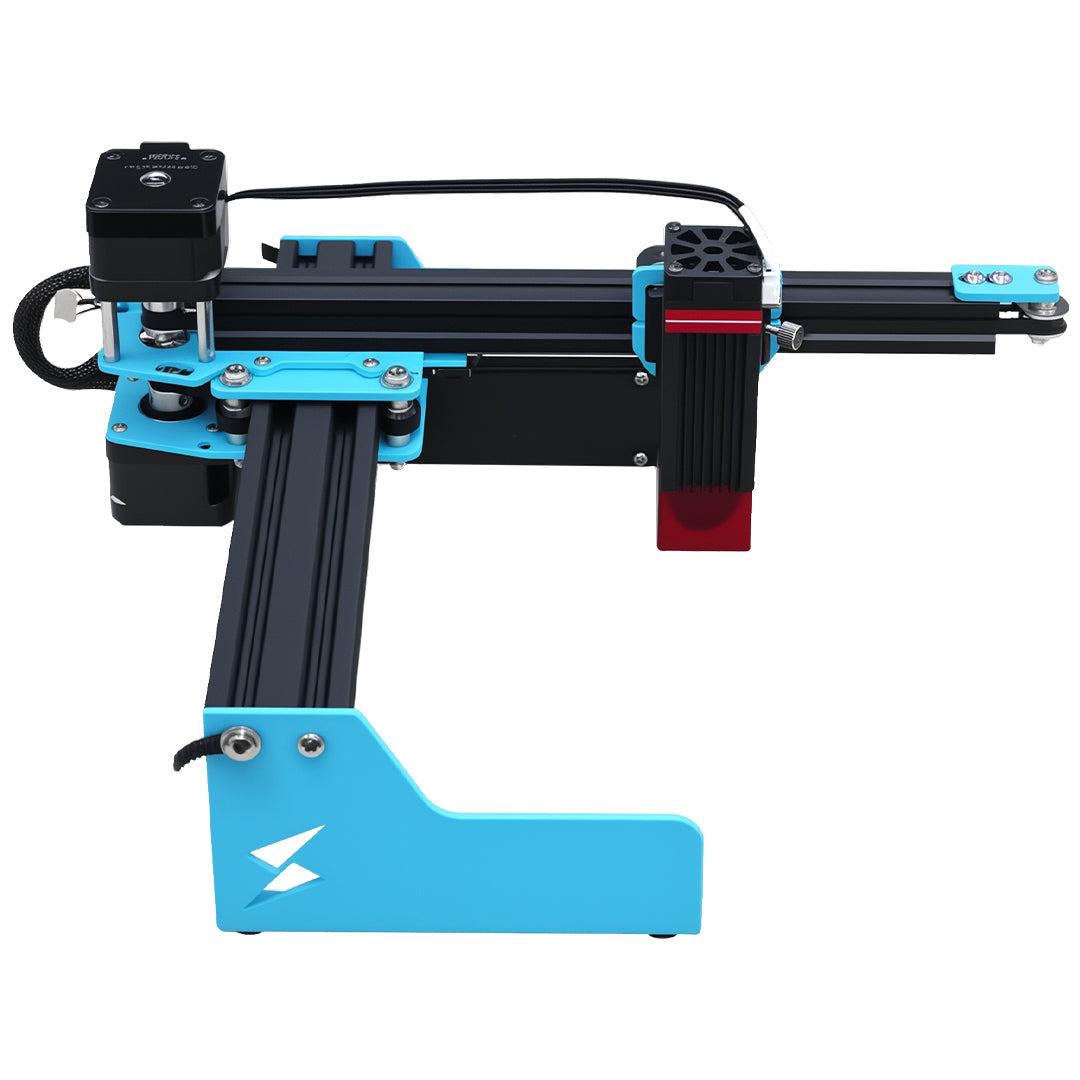
The P2 product page offers module choices, so record the installed one with the seam evidence. Do not infer cutting suitability from an engraving photograph. Only if the eventual compatible object is genuinely too large for the normal arrangement does the separate large-object placement check become relevant; small stitch coupons do not require handheld work.
Can I approve the batch by wiping the front face?
No. Thread contacts the hole walls and can reveal residue missed by a face wipe. Sew the representative miniature seam and inspect the thread itself.
Will black thread solve the problem?
It may conceal visible staining without removing loose residue. It also changes the customer's requested finish. Treat a color change as a design decision, not evidence that cleanup passed.