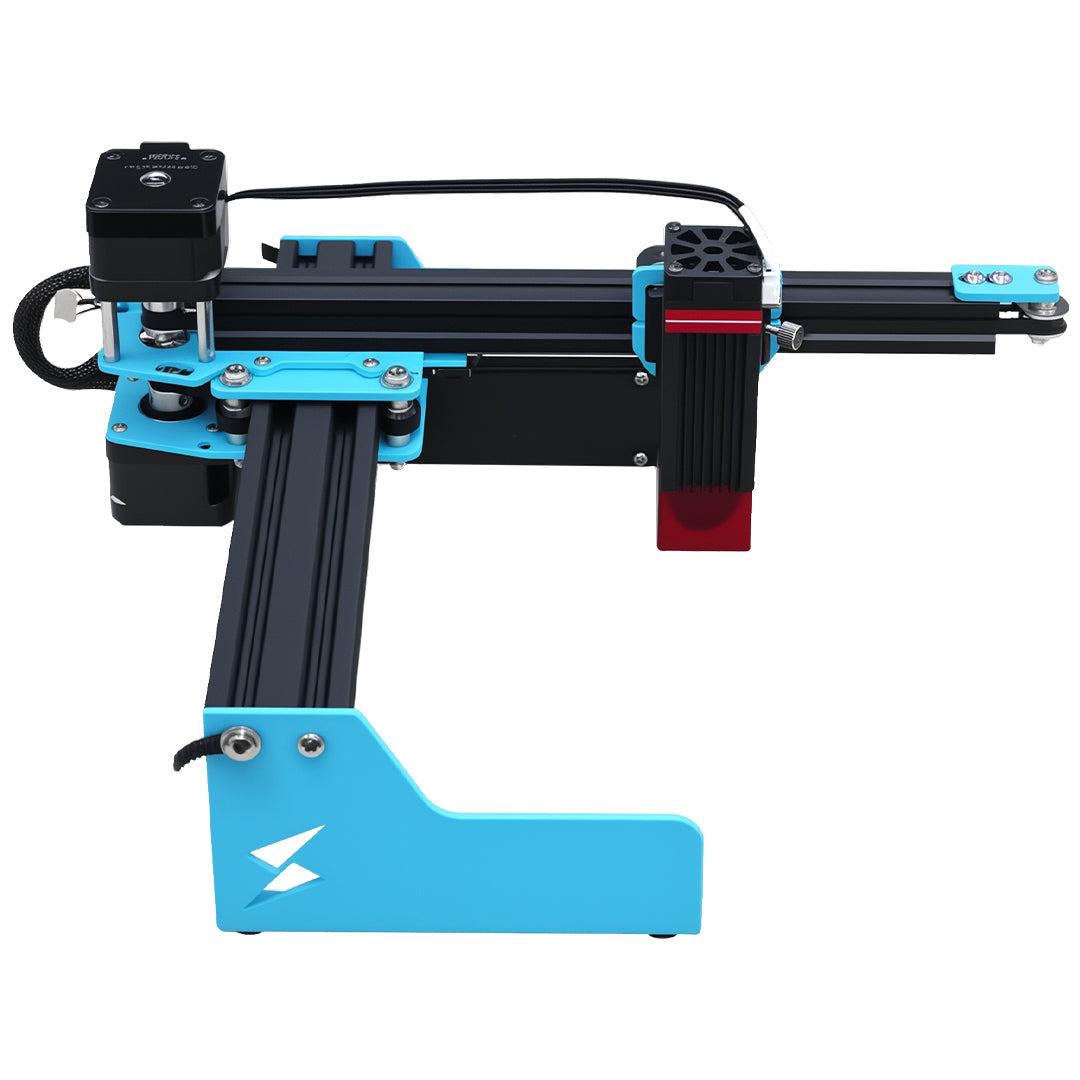


TYVOK P2 Material Test Guide for Small Business Products
How should a small business test materials before selling products with TYVOK P2?
A small business should test TYVOK P2 materials by starting with a narrow product list, using real blanks, recording every setting and supplier, photographing finished samples, and selling only the results that can be repeated. Treat each material, coating, color, and supplier batch as a test until you have proof.

Quick takeaways
- Start with product categories, not a random pile of materials.
- Test each blank, finish, color, and supplier batch before making a public promise.
- Use real sample photos and a settings log to turn testing into a repeatable business workflow.
Why Material Testing Is a Business Step
For a hobby user, a material test is a way to see what looks interesting. For a small business, it is a risk-control step. A customer does not care that a blank looked good once. They care that the name, logo, QR code, or gift detail appears consistently on the item they ordered.
This is why TYVOK P2 content should not promise every material or every result. The stronger message is more useful: choose a small product list, test it honestly, document what worked, and build your first catalog around results you can repeat.
Build a Small Test Library
A useful test library can start with five to ten blanks. Choose products that are small, easy to position, easy to photograph, and realistic for your first customers. Good candidates can include wood gift blanks, coated tags, leather-look accessories, opaque acrylic pieces, packaging cards, or other small objects after verification.
Use the TYVOK P2 small object case gallery as a place to organize ideas, then send buyers who are ready for the machine to the TYVOK P2 product page.
What to Record
A real business material log should include supplier name, SKU, material name, color, finish, design size, positioning notes, machine setup notes, result photo, and whether the result is suitable for a paid order. If a material needs extra preparation or cleanup, that belongs in the log too.
This record does two jobs. It keeps production consistent, and it gives your content team real proof for future guides. A guide based on actual tested blanks is more valuable than a generic page that says a machine can do everything.
When Not to Sell a Material Yet
Do not sell a product if the supplier changes frequently, the mark looks different across colors, the result needs too much manual correction, or the customer expectation is hard to explain. It is better to keep that product as an internal test than turn support questions into refund risk.
For SEO, honesty also helps. Pages that explain limits and decision criteria are more useful than thin pages repeating the same claim in different words.
Decision table
| Test item | What to check | Publish only when |
|---|---|---|
| Wood gift blank | Contrast, grain variation, positioning | The result is repeatable across several blanks. |
| Leather-look accessory | Finish reaction, residue, readability | The same finish can be sourced again. |
| Opaque acrylic tag | Surface quality, color behavior, edge cleanliness | The product photo matches what buyers will receive. |
| Packaging card or tag | Logo clarity, QR readability, batch consistency | The mark supports brand use, not just decoration. |
| Coated small object | Coating consistency and alignment | The exact supplier and coating are verified. |
A 10-Step TYVOK P2 Material Test Workflow
- Choose one product category and three to five blanks.
- Label each blank with supplier, SKU, finish, and color.
- Create one simple design that fits every test piece.
- Record the design size and positioning method.
- Test one variable at a time instead of changing everything together.
- Photograph the finished sample in consistent lighting.
- Rate each result as sell now, retest, or do not sell.
- Write a short note explaining what a customer could personalize.
- Keep the best sample as a reference piece.
- Build the public offer only around the samples you can repeat.
Mistakes to avoid
- Publishing material claims before testing the exact blank.
- Assuming one supplier's coating behaves like another supplier's coating.
- Changing artwork, position, and material at the same time during tests.
- Selling a product because one sample looked good, without repeatability.
Recommended next step
Start with the TYVOK P2 business starter kit guide, build a small material log, then compare the tested workflow with the TYVOK P2 product page before scaling your offer.
FAQ
Can TYVOK P2 engrave every small product?
No single article should promise that. Each blank, finish, color, and supplier batch should be tested before it becomes a public product offer.
How many materials should a beginner test first?
Start with three to five related blanks. Testing too many unrelated materials makes settings, photography, and order workflow harder to control.
Should material test results become SEO content?
Yes, when they help buyers make decisions. Real sample notes, limits, and workflow steps make stronger content than generic material lists.