

TYVOK P2 vs xTool: How to Choose for Small Personalized Products
Is TYVOK P2 a good xTool alternative for small personalized products?
TYVOK P2 can be a good xTool alternative for buyers focused on compact personalized products, small gift workflows, verified small blanks, cards, tested tags, packaging pieces, and sample validation. The better choice depends less on brand comparison and more on the products, work area, materials, support needs, and upgrade path a seller actually needs.

Quick takeaways
- Compare by workflow and product fit, not only by brand name.
- TYVOK P2 is strongest when the first business goal is compact personalization.
- Use a neutral comparison page; avoid unsupported claims about competitors.
A Fair Way to Compare
People search comparisons because they are close to buying. That makes this type of article valuable, but it also means the content must stay careful. The page should not make claims it cannot prove about another brand. It should help the buyer compare use cases.
The right question is not whether one logo is better than another. The right question is which workflow fits the products you plan to make in the first 90 days.
Where TYVOK P2 Is the Stronger Fit
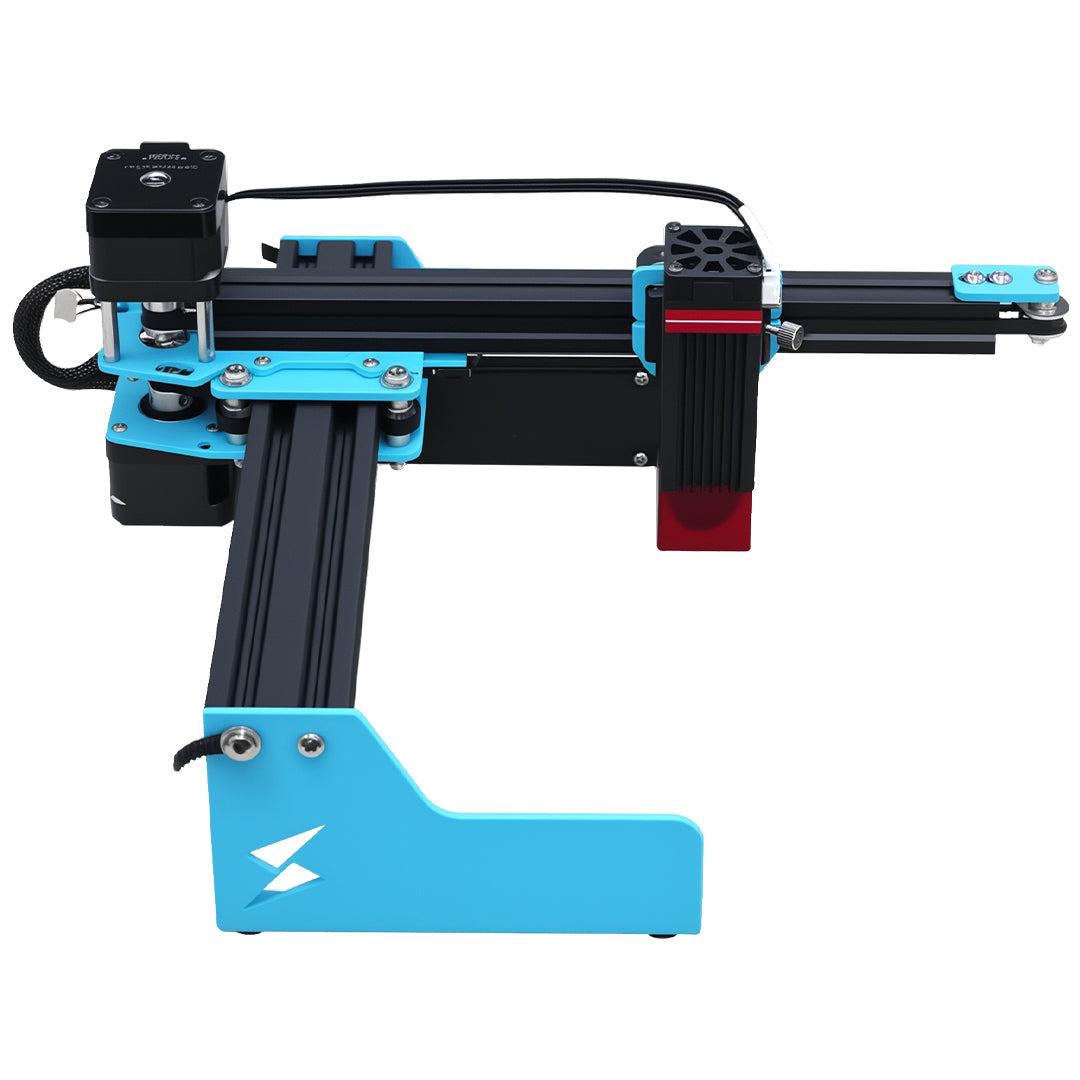
TYVOK P2 is positioned as a compact 450nm blue laser galvo engraver for small-product personalization. It makes sense for buyers testing verified small blanks, cards, packaging accents, gift workflows, and early small-business samples. See the TYVOK P2 xTool alternative guide for the landing-page version.
If your work becomes large signs, big panels, or batch layouts across a wide bed, the comparison should move toward larger TYVOK systems rather than forcing P2 into the wrong job.
How to Make the Decision
Create a list of five products you want to sell. For each one, write the material, size, personalization area, expected quantity, and photo style. Then compare machines against that list.
This approach protects you from buying for a fantasy catalog. It also creates better content because the article answers real buyer decisions instead of repeating product pages.
Comparison table
| Decision factor | TYVOK P2 may fit when | Look beyond P2 when |
|---|---|---|
| Product size | Items are compact and personalization-led | Products need a large bed or sheet layout |
| Business stage | You are testing samples and first offers | You already have batch demand |
| First product tests | You need to validate gifts, cards, tags, or verified small blanks | You already need industrial or material-specific production |
| Upgrade path | You want to start compact and scale later | You know the first bottleneck is larger production |
Comparison Checklist Before Buying
- List the first five products you want to sell.
- Measure each product and the actual engraving area.
- Decide whether you need one-at-a-time samples or batch layouts.
- Check whether your materials match compact blue-laser personalization.
- Review support, accessories, software workflow, and upgrade path.
- Choose the machine that fits the first sellable workflow.
- Create content around that workflow after samples are real.
Mistakes to avoid
- Writing aggressive competitor claims without evidence.
- Comparing only wattage while ignoring product size and workflow.
- Using one comparison article to target every competitor keyword.
- Publishing comparison pages before the product positioning is clear.
Recommended next step
Use this article as a neutral comparison page, then send readers who are ready for TYVOK-specific details to the xTool alternative guide and the TYVOK P2 product page.
FAQ
Is TYVOK P2 an xTool alternative?
TYVOK P2 can be considered an alternative for buyers comparing compact engraving workflows, especially for small personalized products. The right choice depends on product size, materials, budget, and upgrade needs.
Should comparison blogs mention competitors?
Yes, but they should be neutral and useful. Avoid unsupported claims. Focus on buyer criteria, workflow, and product fit.
What should a comparison page link to?
It should link to the relevant product page, a focused landing page, and supporting guides that explain verified use cases such as gifts, cards, tags, packaging, or Etsy products.