

A double-six domino set needs 28 distinct unordered pairs, including the double blank. Count the combinations before engraving the wooden tiles, then audit the finished set in the same order. A box containing 28 pieces can still contain a duplicate and a missing pair.

Creative Crafthouse's hardwood double-six set confirms the familiar 28-tile format. The inventory below turns that set structure into a practical making check. It is useful whether you engrave simple pips or add your own decorative treatment around them.
Build a triangular inventory
Write the smaller value first. This makes 2–5 and 5–2 the same tile, so rotating a design cannot accidentally create a second entry. Start each row with a double and continue to six.
| First value | Required pairs for a P2 tile job | Count |
|---|---|---|
| Blank | 0–0, 0–1, 0–2, 0–3, 0–4, 0–5, 0–6 | 7 |
| One | 1–1, 1–2, 1–3, 1–4, 1–5, 1–6 | 6 |
| Two | 2–2, 2–3, 2–4, 2–5, 2–6 | 5 |
| Three | 3–3, 3–4, 3–5, 3–6 | 4 |
| Four | 4–4, 4–5, 4–6 | 3 |
| Five | 5–5, 5–6 | 2 |
| Six | 6–6 | 1 |
The total is 7 + 6 + 5 + 4 + 3 + 2 + 1 = 28. Keep the checklist outside the artwork, and mark a pair complete only after inspecting its actual tile. A rejected tile should return to the unfinished list instead of remaining counted because the file was processed.
Make a small set of test faces first
Use double blank, a mixed pair and double six to evaluate the visual range. The double blank tests whether your divider and border look deliberate without pips. The double six exposes crowded spacing. A mixed pair makes it easy to check which half of the artwork is being repeated.
If you choose numerals instead of pips, check the difference between single-line and outlined small text. Do not let a changed font turn the visible inventory into ambiguous marks. Keep pip placement consistent, but avoid decorating the reverse with pair-specific identifiers: a player should not learn a hidden value from its back.
Fit individual blanks to the P2
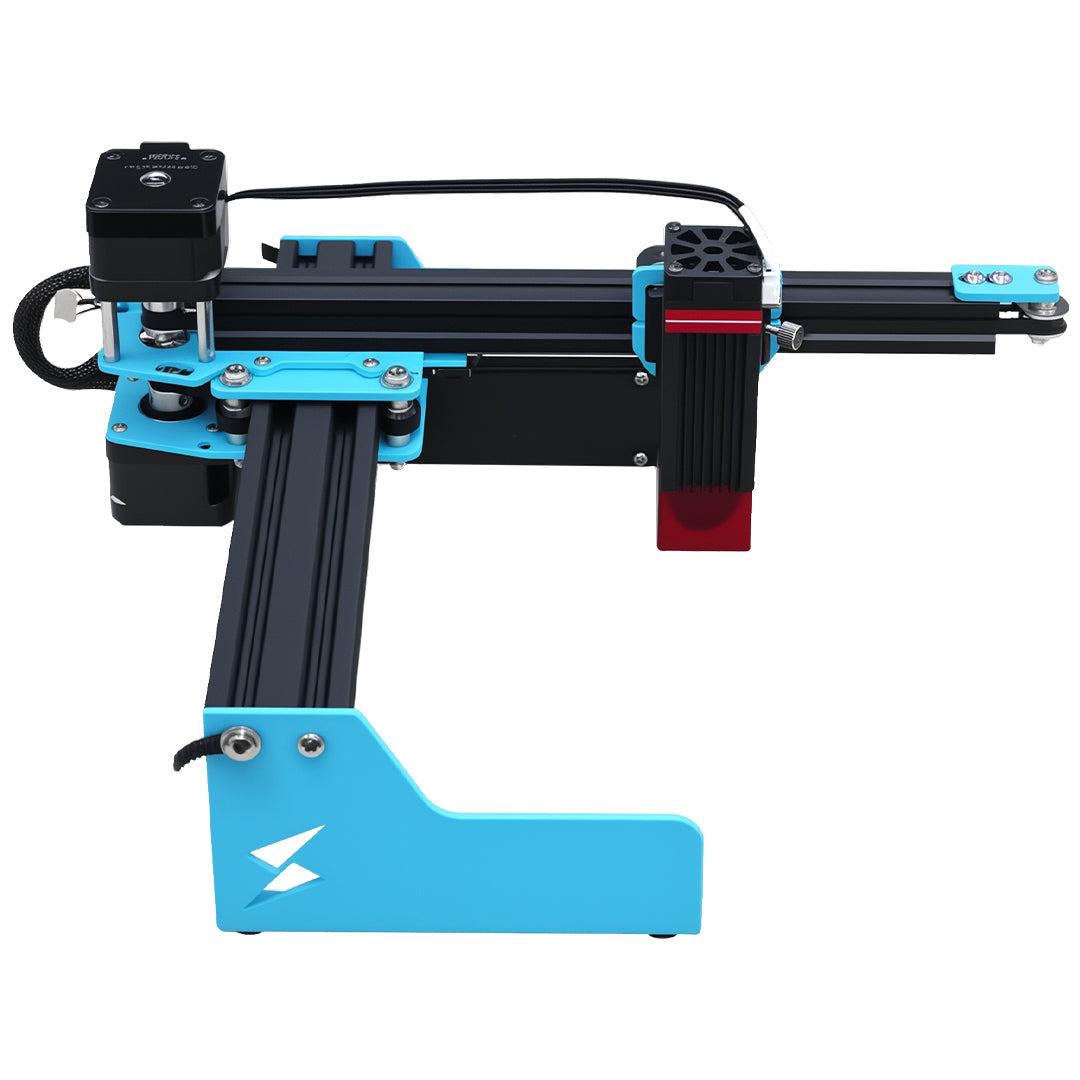
The TYVOK P2 product page lists a 60 × 60 mm working area for its blue-laser galvo workflow. Choose precut, known laser-compatible wood tiles whose complete marked face fits with clearance. This does not imply that an entire 28-piece set fits in one run, or that every module can cut thick domino stock.
Hold each blank steady, set focus as instructed for the machine, and inspect one completed sample before repeating. Maintain extraction and supervision. Finish and clean the pieces using material-appropriate methods after laser processing; the result is not automatically a certified children's toy.
Is a 0–6 tile different from a 6–0 tile?
No, rotating it changes the view, not the combination. Store one entry for that pair and check the two halves against it.
Should I add serial numbers to the backs for tracking?
Avoid visible tile-specific back numbers for normal face-down play. Track work in a tray or checklist instead. The hidden-back check for wooden mahjong explains how grain, edge differences and decoration can also reveal a face.