

For custom wooden mahjong tiles, compare the backs and edges before committing to a complete set. Matching artwork is only one part of concealment: an unusual grain mark, chipped corner or differently rotated logo can help a player identify a face-down tile.
A player looking for a replacement tile worried that a different backing color would reveal it. The same issue applies to a new wooden set. This is a wood adaptation of that practical concern; it is not permission to laser unknown plastic, melamine or resin tiles shown in other projects.
Decide what an opponent can see
Set several unfinished blanks face down under ordinary room lighting. Look from across the table, then view their edges while standing in a row. Separate blanks with distinctive marks before engraving valuable face artwork. With natural wood, perfectly indistinguishable backs may be unrealistic; a casual sample test cannot certify tournament fairness.
For a reverse-side logo, keep its position and orientation identical across the set. Do not add a unique motif for each suit or a different date on replacement pieces. If an asymmetric logo tells you which way a tile was loaded, check whether that orientation also correlates with particular faces.
A concealment check for a small P2 sample
| Sample state | Look for | Next decision |
|---|---|---|
| Unmarked blanks face down | Knots, streaks and unusually colored edges | Sort or replace visibly exceptional blanks |
| Identical back design on samples | Rotation, placement or contrast differences | Correct the setup before making more |
| Finished pieces mixed together | Distinct sheen, chips or touch-up patches | Reassess the finish process and replacement stock |
| Several casual shuffles | Whether a person repeatedly recognizes a tile | Investigate the visual cue rather than dismissing it |
Ask a second person to shuffle the sample pieces before checking them. Knowing the order beforehand makes it too easy to mistake memory for a real visual difference. Conversely, failing to recognize a tile in a tiny sample is not a guarantee that a full set cannot be learned over time.
Keep face artwork readable without changing the backs
Use your own artwork or properly licensed designs, and have someone familiar with the intended mahjong rules check the symbols and inventory. If the face includes small lettering, choose the intended single-line or outlined form before approving it. Letter counters and stroke spacing need to survive at the actual tile size.
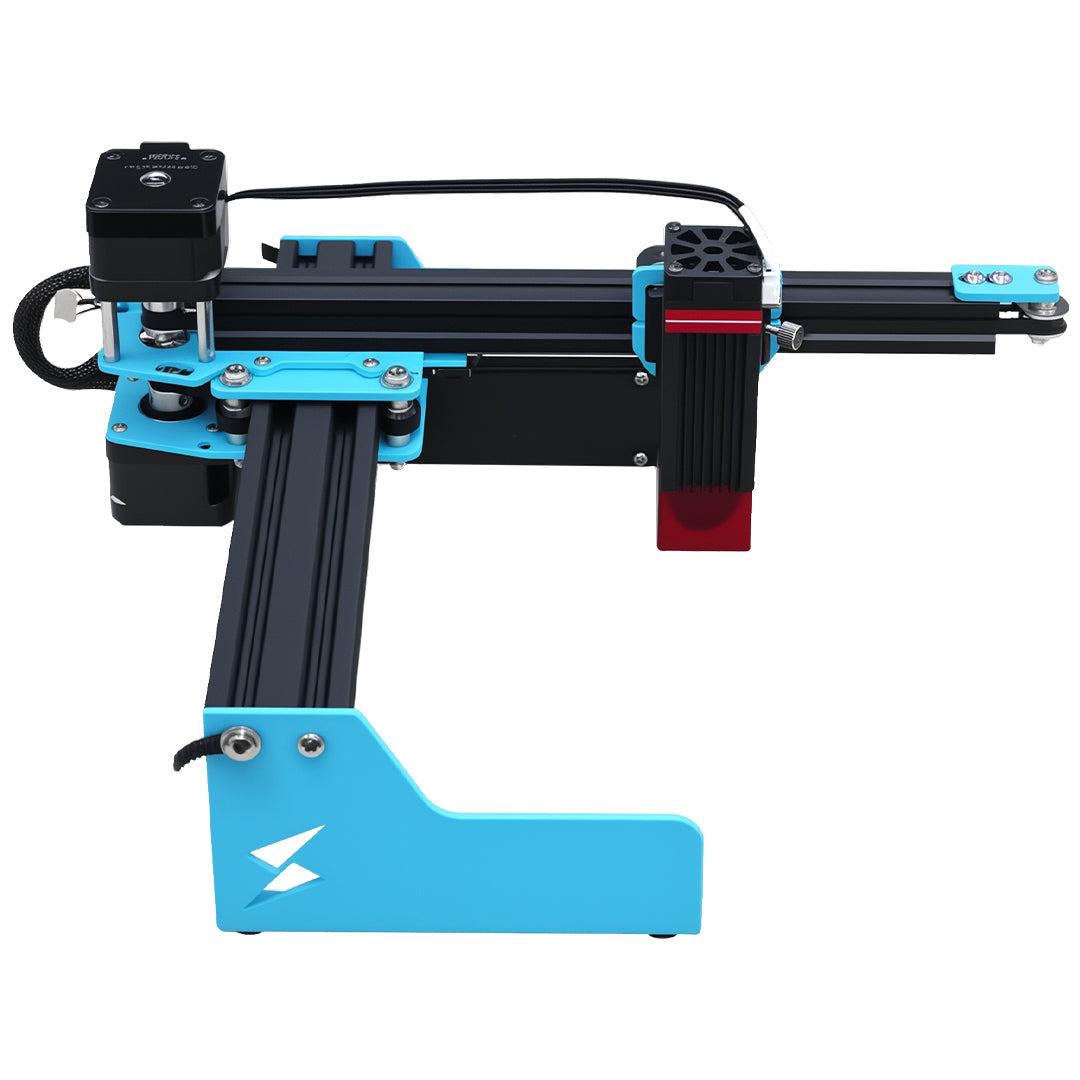
The standard P2 uses a 450 nm blue-laser galvo system and lists a 60 × 60 mm work area. Restrict this project to accessible, supplier-confirmed laser-compatible wood surfaces with placement margin. Test spare blanks first; no settings from a university CO2 or UV machine transfer automatically. Supervise the process and use the required protection and extraction.
Will one identical logo hide every natural grain difference?
No. Artwork may leave a knot or edge streak visible. Inspect the whole back and perimeter, not just the logo itself.
Can I replace a lost tile using a different wood batch?
Only after comparing its dimensions, back, edges and finished appearance with the actual set. If it remains conspicuous, a matching replacement or broader remake may be necessary.
For another handmade game, a double-six domino pair inventory solves the separate completeness problem. Correct quantity and concealed information both matter, but one check cannot substitute for the other.