

Direct Answer
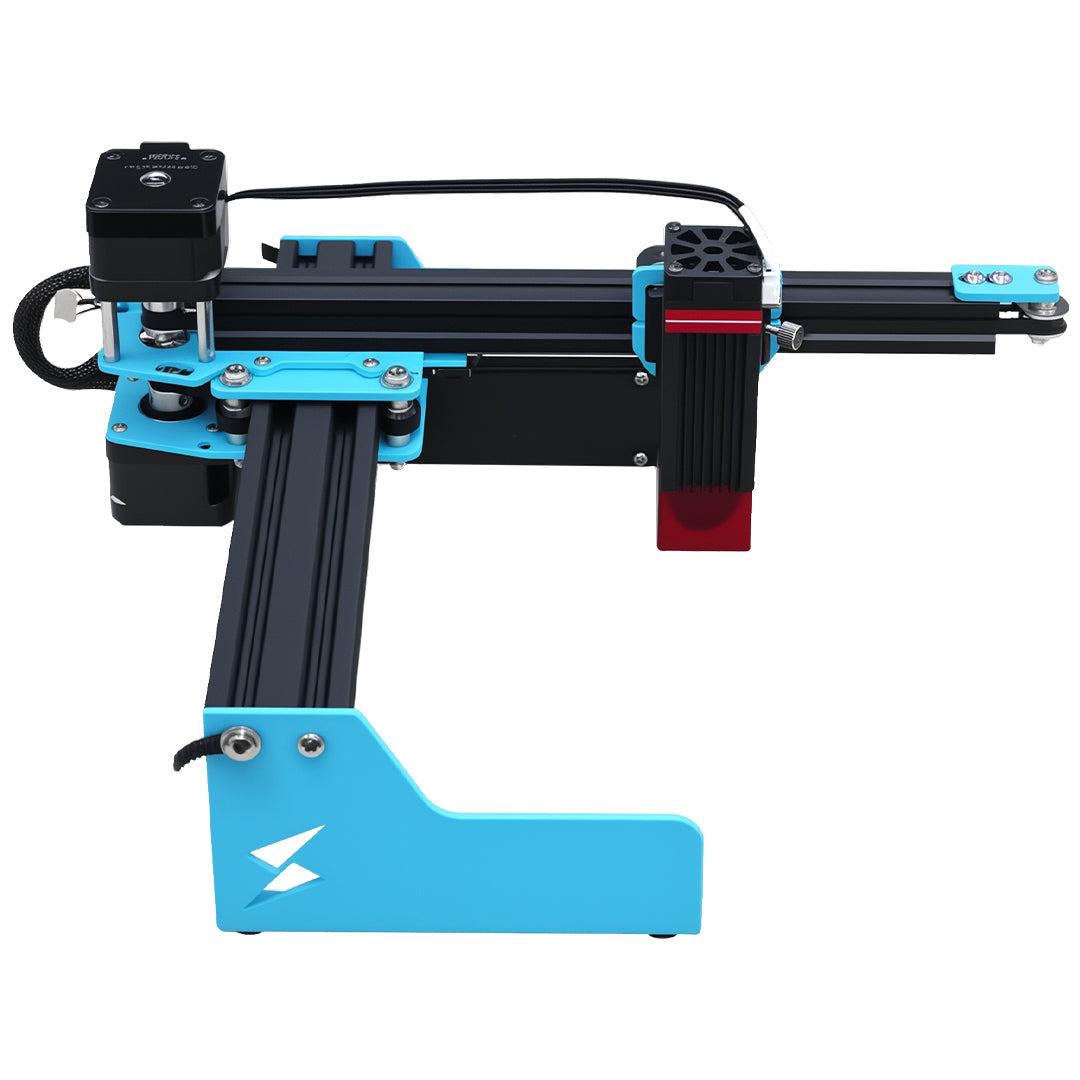
Use a throughput bottleneck scorecard to decide when A1 Mini workload limits justify moving to TYVOK P2 for the next stage.

Why New Users Ask This
Buyer threads keep asking upgrade timing from entry machines once speed, bed size, or material constraints become the main bottleneck.
A1 Mini Starter Checklist
- Run one controlled proof for upgrade timing not tied to bottleneck evidence before customer material is loaded.
- Change one variable per test round and record the result in a log.
- Keep one approved sample photo as the release baseline.
- Pause production when the baseline no longer matches current output.
- Save final settings with lot, date, and operator notes for reuse.
Beginner Fit Table
| Buyer situation | Fit | Practical note |
|---|---|---|
| Speed bottleneck | Score repeat-delay impact | Upgrade when delay cost exceeds buffer. |
| Bed-size bottleneck | Score split-job frequency | Frequent split jobs signal capacity limits. |
| Material-range bottleneck | Score reject and workaround rate | High workaround rate indicates mismatch. |
| Decision threshold | Use total score cutoff | A threshold prevents impulse upgrades. |
Scorecard Inputs
Use measurable inputs: repeat delay minutes, split-job count, and workaround frequency by material type.
Decision Threshold
Set one numeric threshold for upgrade action so buyers avoid emotional or promo-driven decisions.
Review Cadence
Re-score monthly using real orders to confirm whether the bottleneck is persistent or seasonal.
Throughput Bottleneck Scorecard
| Bottleneck type | Score 1 | Score 2 | Score 3 |
|---|---|---|---|
| Speed delay per order | <5 min | 5-15 min | >15 min |
| Bed-size split frequency | Rare | Weekly | Daily |
| Material workaround rate | Low | Moderate | High |
| Decision | Keep A1 | Re-test in 30 days | Plan P2 transition |
Next Beginner Check
Keep upgrade timing tied to measured bottlenecks, not only short-term pricing windows.
Related TYVOK Reads
- Confirm current options on live product details before scoring upgrade triggers.
- Recalculate the scorecard monthly using real delay minutes, split-job frequency, and reject-rate trend.
- Keep upgrade thresholds visible in the order log so decisions are based on evidence, not discount timing.
- Use ventilation and material-test records as prerequisites before attributing delay to machine limits.
Check Current Product Details
Use the current TYVOK product page as source of truth for options and setup details: https://tyvok.com/products/a1mini-desktop-laser-engraving-machine.
FAQ
What is the first action in TYVOK A1 Mini Upgrade Timing Scorecard by Throughput Bottleneck Type?
Start by documenting upgrade timing not tied to bottleneck evidence with one clear measurement before changing multiple settings.
When does A1 Mini upgrade timing throughput scorecard need a fresh baseline?
Small-format materials vary enough that old assumptions often fail.
How do I prevent repeat mistakes in TYVOK A1 Mini Upgrade Timing Scorecard by Throughput Bottleneck Type?
Use a photo log plus notes so each failed sample becomes a reusable rule.
What confirms TYVOK A1 Mini Upgrade Timing Scorecard by Throughput Bottleneck Type is ready for production?
Escalate only after repeated passes match your baseline under the same conditions.