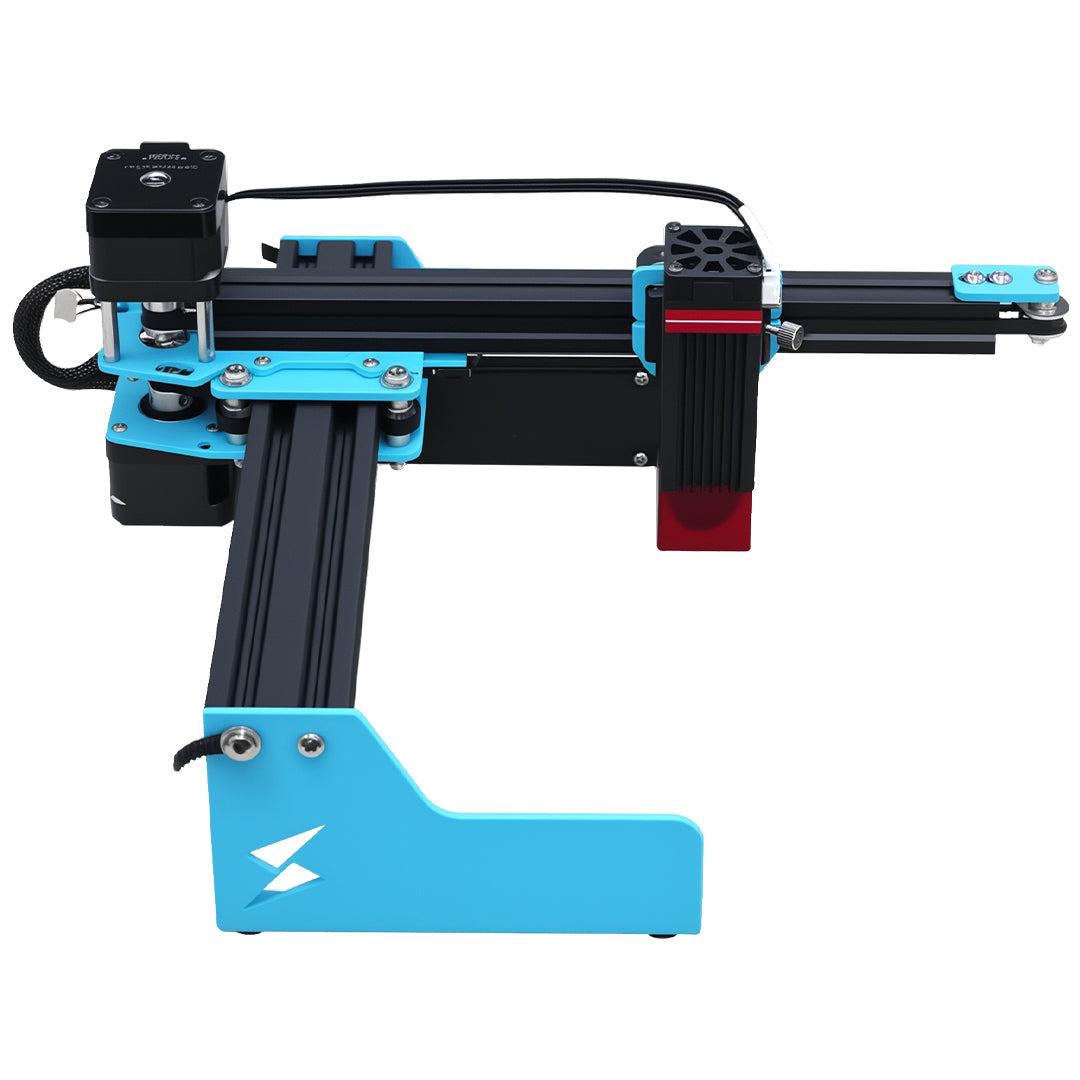


A laser engraver dealer does not need to build every capability on day one. The practical choice is to match the cooperation model to the business you already have: start with finished TYVOK products, sell under your own brand through private label, or assemble approved modules locally when your team is ready for technical and quality responsibility.

The direct answer
- Choose TYVOK distribution when you want the fastest market test with a finished product and the lowest starting complexity.
- Choose private label when you already understand your customers and want your own brand, pricing position and repeatable channel value.
- Choose local assembly when demand is proven and your team can manage assembly, final testing, local delivery and first-line service.
These are not three unrelated offers. They are three levels of commercial ownership. A partner may start with Model 1 and move forward, or discuss a more advanced model directly when the required market and technical capability already exists.
Compare the three dealer models
| Decision point | TYVOK distribution | Private label | Local assembly |
|---|---|---|---|
| Best fit | New dealers and market tests | Partners with stable sales and a brand plan | Proven markets with technical, QA and service capacity |
| Product brand | TYVOK | Your brand | Your brand |
| TYVOK provides | Finished products, standard packaging, content and support path | Product branding, premium neutral packaging and reviewed software options | Approved core modules, SOPs, training and test methods |
| You manage | Sales, customers and local service | Brand, pricing, channels, customers and local service | Assembly, final QA, delivery, sales and local service |
| Main value | Fast entry and real market data | Pricing control and brand ownership | Local delivery and stronger technical capability |
Model 1: distribute TYVOK products
This is the simplest way to test whether your market wants a compact laser platform. TYVOK prepares the finished product, standard product identity, core content and support path. The dealer focuses on listings, demonstrations, customer acquisition and local service.
The value of Model 1 is speed. You do not need to design packaging, define a product identity or build an assembly process before the first sale. More importantly, the orders produce evidence: which applications attract attention, which price bands convert, which questions customers ask and what level of service the market expects.
Model 1 is not only for small partners. It can remain a long-term distribution model for a dealer that prefers to sell a known product line. It can also be used as a controlled market-validation stage before investing in a private-label launch.
Model 2: sell under your own brand
Private label means the product is sold under the dealer's brand, not TYVOK's brand. TYVOK supports the product platform, selected product branding, premium neutral packaging and software options reviewed for the cooperation model. The dealer owns the market-facing identity, price position, channels and customer relationship.
This model makes sense when a partner has already learned what customers buy and wants to stop competing only through public brand-price comparison. Light customization can start from around 50 units, but the final minimum quantity depends on the selected product, configuration and branding scope.
Private label also brings responsibility. The dealer needs a clear brand promise, a realistic local support plan and enough working capital for the chosen launch quantity. A logo alone does not create brand value; consistent pricing, content, service and product experience do.
Model 3: assemble and serve locally
Local assembly is an advanced cooperation path. TYVOK can review a defined module scope, operating procedures, training and test methods. The local partner completes the agreed assembly steps, final testing, delivery and first-line service.
This model is appropriate only when the market is proven and the partner has technical staff, quality-control discipline, suitable facilities and a clear compliance plan. Local assembly does not automatically remove certification or regulatory obligations. Product configuration, labeling, importer or manufacturer responsibility and local requirements must be reviewed before launch.
The commercial benefit is not simply lower freight. A capable local operation may improve delivery control, technical response and the partner's position in the market. Those benefits only appear when final quality remains consistent.
How to choose without overbuilding
- Define the first customer group. Identify whether you sell to personalization shops, retailers, education channels, event businesses or regional service partners.
- Estimate a realistic first order. Separate expected demand from optimistic forecasts.
- Decide what you want to own. Choose between fast distribution, brand ownership or local technical capability.
- List the capabilities you already have. Include sales channels, language support, service staff, warehouse capacity, QA and compliance resources.
- Choose the lowest-complexity model that meets the goal. Do not build an assembly operation when a distribution test can answer the most important market question.
Can a dealer upgrade later
Yes. The purpose of the phased model is to keep the customers and market knowledge already built. A dealer can validate demand with TYVOK products, move proven demand into a private-label offer, and discuss local assembly when volume and technical capability justify it. Each stage should transfer more capability to the partner without forcing the business to start again.
Next step
Prepare your country or region, current sales channels, target customer, expected quantity, preferred model and local service capability. TYVOK can then review the practical starting path instead of offering a one-size-fits-all package.
Compare the TYVOK Partner Program models or read the detailed guides to private-label laser engravers and local assembly.
Choose a machine for your project
For small personalized gifts and tags, review TYVOK P2 options. For larger wood panels and signs, compare TYVOK X1S 2026 configurations. Test the actual material and project dimensions before buying.