

Direct Answer

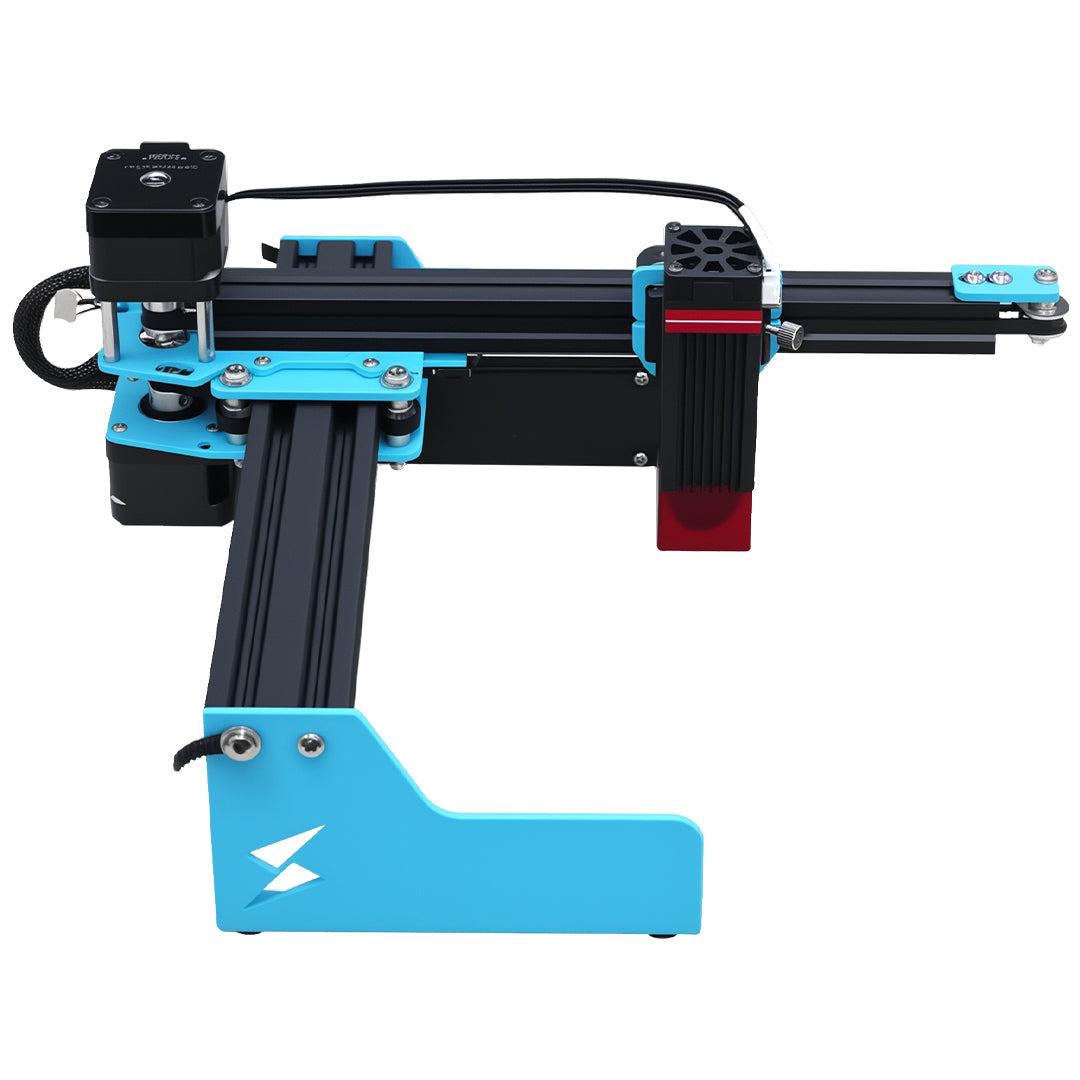
A laser engraver is useful for leather patches and small accessories when the material is tested, the product sits flat, the personalization area is controlled, and the seller can show finished samples. TYVOK P2 is most relevant for compact leather personalization such as patches, tags, keychains, notebook labels, wallet inserts, and small branded accessories.
Why Leather Is a Strong First Product Category
Leather accessories can feel premium even when the object is small. A name, logo, initials, or short phrase can turn a simple patch or tag into a personalized product. That makes leather a useful category for small sellers, Etsy stores, gift shops, and local brands.
The main risk is material variation. “Leather” is not one material. Genuine leather, faux leather, coated leather, dyed leather, and different finishes can all behave differently. The goal is not to claim universal results; the goal is to help the buyer build a tested product workflow.
Best Leather Products to Test First
| Product | Why it works | What to check |
|---|---|---|
| Leather patches | Strong for hats, bags, and apparel | Edge finish, contrast, smoke marks |
| Keychains | Easy gift product | Flat placement and hardware clearance |
| Bag tags | Clear personalization value | Text size and readability |
| Notebook labels | Good branded accessory | Adhesive or attachment method |
| Wallet inserts | Premium feel | Surface consistency |
| Small logo tabs | Useful for makers and brands | Repeat alignment |
Start with products that sit flat and have a clear design zone. Avoid complicated shapes until the basic material behavior is understood.
A Practical Test Workflow
Use this sequence before selling leather items:
- Choose one material source and one finish.
- Cut or source blanks in one consistent size.
- Test initials, a short name, and a simple logo.
- Photograph the finished result in daylight and close-up.
- Check whether cleaning or post-processing is needed.
- Write down the product setup and repeat it on a second blank.
The second blank matters. One good sample can happen by luck. A repeatable second sample gives the seller more confidence.
Material Safety Comes First
Leather content needs a safety warning because not every leather-like material should be treated the same. Genuine leather, coated leather, PU leather, and unknown faux leather can behave differently. Unknown scraps are especially risky because the seller may not know the coating or plastic content.
Do not engrave unknown faux leather or unknown plastic-coated material without supplier confirmation. Avoid materials that may contain PVC or unsafe coatings. Keep ventilation in the workflow and test only materials that the seller can identify and source consistently.
| Material type | Testing note | Risk |
|---|---|---|
| Genuine leather | Test color, finish, and residue | Natural variation |
| Vegetable-tanned leather | Often used for craft goods, still test finish | Color and burn behavior |
| Coated leather | Confirm coating and supplier | Smoke, odor, inconsistent surface |
| PU/faux leather | Confirm material composition first | Unknown fumes or coating behavior |
| Unknown scraps | Do not use for public products | Unsafe or inconsistent material |
This section makes the article more credible. A serious buyer does not only need product ideas; they need to know what to avoid.
What Finished Proof Should Show

For leather content, image quality has a direct effect on conversion. The first image should show a finished accessory, not a raw leather sheet. The buyer should immediately understand the product they could sell or gift.
Recommended image set:
- Hero image: finished leather patch or keychain on a clean surface.
- Detail image: close-up showing mark contrast and texture.
- Product group: three small leather accessories with consistent branding.
- Workflow image: blank, finished item, and packaging together.
A specific finished result is more valuable than generic wording about “leather engraving” because it helps the buyer judge whether the product is worth testing.
Where TYVOK P2 Fits
TYVOK P2 fits when the leather item is compact, the design area is focused, and the seller wants to make samples quickly. It is less relevant when the buyer needs large leather panels, deep production cutting, or a different material process.
Use this buying rule: TYVOK P2 belongs on the shortlist if the product is a compact patch, tag, keychain, wallet insert, or small logo accessory with a tested material source. If you cannot identify the leather type or coating, confirm the material first and do not sell the item yet.
If your product plan is compact leather personalization, start by reviewing the TYVOK P2 product page, then test one patch, one keychain, or one small accessory before expanding the catalog.
If this workflow fits your product plan, compare P2 with these related guides:
- TYVOK P2 Galvo Laser Engraver
- P2 Small Business Laser Engraver Guide
- P2 Custom Gift Laser Engraver Guide
- Laser Engraver for Etsy Products That Ship Easily
Buyer Decision Table

| Buyer question | Good sign | Warning sign |
|---|---|---|
| Is the item compact? | Patch, tag, keychain, wallet insert | Large panel or irregular shape |
| Is the design simple? | Initials, name, logo, short phrase | Complex artwork with tiny details |
| Is the material tested? | Same supplier and finish | Unknown mixed leather scraps |
| Can it be photographed well? | Clear contrast and texture | Low contrast or messy finish |
| Can it ship easily? | Small, light, durable | Fragile packaging or awkward size |
Common Mistakes
The most common mistake is treating leather as a single predictable material. The second mistake is launching too many designs before the seller has one repeatable sample. The third is using poor photos. Leather products sell through texture and detail. If the mark is not clear in the photo, the offer will feel weak even if the product is useful.
FAQ
Q: Can all leather be engraved the same way?
A: No. Leather type, finish, color, thickness, and supplier can change the result. Test the exact material before selling.
Q: What leather product should beginners try first?
A: Flat patches, tags, keychains, and small labels are easier than large or curved leather goods.
Q: Is TYVOK P2 good for leather patches?
A: TYVOK P2 can fit compact leather patch workflows when the material is tested and the design area is controlled.
Q: Is faux leather safe to engrave?
A: Do not engrave unknown faux leather. Confirm the material composition and avoid unknown PVC or unsafe coatings.
Q: What should the first image show?
A: Show a finished leather accessory, ideally with a close-up that reveals contrast and texture.
Q: Should I offer custom logos immediately?
A: Start with simple initials, names, or one-color logos before accepting complex artwork.
Q: How do I make leather products easier to sell?
A: Use consistent blanks, clear personalization fields, strong photos, and a small catalog of tested designs.
Q: When should I not use this workflow?
A: Avoid it when the project requires large panels, untested leather, heavy cutting, unknown material composition, or complex production without prior samples.
Conclusion
Leather patches and small accessories are strong P2 use cases because they are compact, visual, and easy to understand. A strong workflow should show finished products, explain material testing, and guide the buyer toward repeatable production.