

Laser Engraving Coated MDF vs Uncoated: Which Should You Choose in 2026?
Meta Description: Confused about coated vs uncoated MDF for laser engraving? Our 2026 guide compares engraving results, safety, cost, and best uses to help beginners choose the right material.

Introduction
MDF is one of the most popular materials for laser engraving and cutting. It's affordable, widely available, and generally easy to work with, making it perfect for beginners starting their laser journey. But if you've looked at MDF options, you've probably noticed there are two main types: coated MDF and uncoated MDF. Which one should you choose for your laser engraving projects?
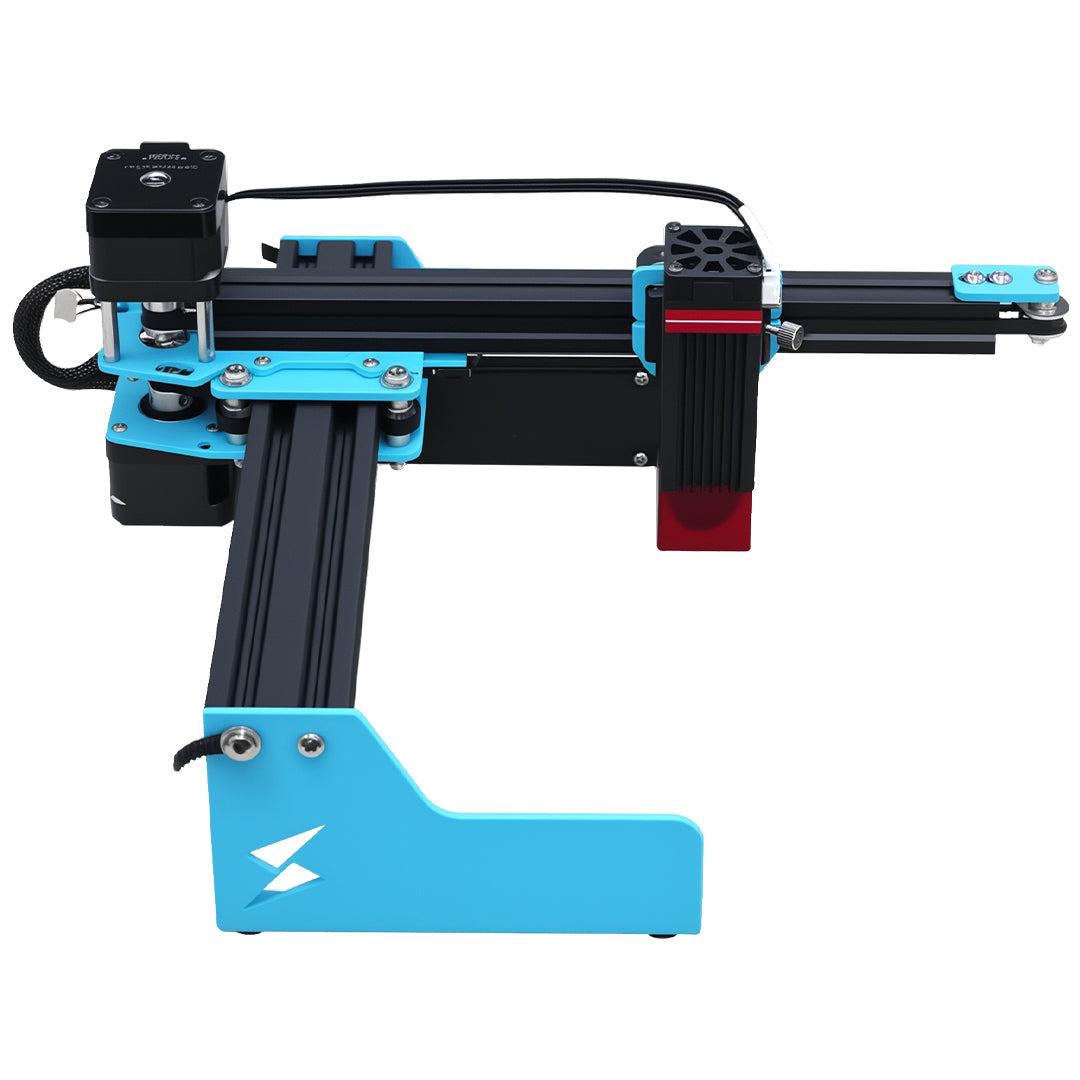
For beginners getting started with laser engraving MDF projects, the Tyvok A1 Mini 10W diode laser has more than enough power to handle both coated and uncoated MDF, producing clean cuts and crisp engravings every time. If you're running a small business and need faster production speeds, the Tyvok P2 galvo laser can handle MDF engraving jobs much faster than traditional gantry lasers, making it perfect for batch production.
Both coated and uncoated MDF have their place in laser work, but they produce different results and require different safety precautions. Coated MDF is often used for furniture and cabinetry because it's more resistant to moisture, but that coating can affect how it lasers and change the safety considerations. Uncoated MDF is the traditional choice for many laser projects, but it can be more prone to burning and requires different handling.
In this guide, we'll break down the key differences between coated and uncoated MDF for laser engraving, including how they engrave, safety concerns, cost comparisons, and which type is best for different projects. By the end, you'll know exactly which one to choose for your next laser project.
What is MDF?
MDF stands for Medium-Density Fiberboard. It's an engineered wood product made by breaking down hardwood or softwood residuals into wood fibers, combining them with wax and a resin binder, and forming panels by applying high temperature and pressure.
MDF is different from plywood because it's made of individual fibers rather than wood plies. This gives it a very uniform, smooth surface without any grain or knots, which is one of the reasons it's so popular for laser work. The consistent density means you get more predictable engraving and cutting results.
Because of its affordability and uniformity, MDF is commonly used for:
- Cabinetry and furniture
- Decorative panels
- Laser cut signs
- Engraved plaques
- Box making
- Jigs and fixtures
What is Coated MDF?
Coated MDF is MDF that has one or both sides covered with a decorative or protective coating. The most common types of coatings include:
- Melamine coating: A thermally fused paper/resin coating that's durable and moisture-resistant
- Laminate coating: A thicker plastic-based layer that's very durable
- Paint or veneer coating: Pre-painted or wood veneer coated surfaces
The coating serves several purposes in furniture manufacturing:
- Protects the MDF from moisture and humidity
- Provides a decorative finish
- Makes the surface easier to clean
- Increases durability and scratch resistance
For laser users, however, that coating adds another layer of material that the laser has to cut through, and it can change both the engraving results and the safety considerations.
What is Uncoated MDF?
Uncoated MDF is just plain MDF without any additional coating or finishing. It has the natural tan/brown color of the compressed wood fibers and resin binder. The surface is still relatively smooth (much smoother than solid wood), but it doesn't have any protective layer.
Uncoated MDF is what most people think of when they think of MDF for laser work. It's the traditional choice for laser cutting and engraving because it's cheap, widely available, and generally easy to laser.
How Does Each Type Engrave and Cut?
The laser interaction with coated vs uncoated MDF is where you'll see the biggest differences.
Coated MDF Engraving and Cutting
When you laser coated MDF, the laser has to burn through the top coating before it gets to the MDF core. This produces some unique characteristics:
Engraving Results:
- The coating often creates a color contrast when engraved
- Melamine coatings typically turn darker when laser engraved, creating good contrast
- Some colored coatings can produce very striking results where the engraving reveals a different color underneath
- The coating can help create sharper edges on engravings
- However, the coating can also cause inconsistent burning if the laser power isn't set correctly
Cutting Results:
- Requires more power to cut through compared to uncoated MDF of the same thickness
- The coating can leave residue on your laser lens that needs cleaning
- Cut edges are usually smoother because the coating helps prevent splintering
- But the coating can produce more smoke and fumes during cutting
Pros of Coated MDF:
- Good contrast for engravings, especially with colored coatings
- Finished project often doesn't need additional painting or sealing after engraving
- More moisture-resistant for projects that will be used in humid environments
- Smoother cut edges than uncoated MDF
- Readily available at most home improvement stores
Cons of Coated MDF:
- Requires more laser power to cut
- The coating can release potentially harmful fumes (depends on coating type)
- More residue buildup on laser optics
- Generally more expensive than uncoated MDF
- Some coatings can melt and leave sticky residue on your material
Uncoated MDF Engraving and Cutting
Uncoated MDF is the "pure" MDF experience that most laser users are familiar with:
Engraving Results:
- Produces a dark brown/black engraving against the lighter natural MDF background
- Good contrast, though usually not as dramatic as colored coated MDF
- Very consistent engraving depth because of uniform material density
- No coating to interfere with the laser beam
- Can be stained or painted after engraving to enhance contrast
Cutting Results:
- Cuts more easily than coated MDF, requiring less power
- Produces more visible burn edges that may need sanding
- Generally less residue on optics compared to coated MDF
- Can produce more fine dust when cutting compared to coated MDF
Pros of Uncoated MDF:
- Lower cost than coated MDF
- More widely available in hobby sizes
- Requires less laser power for cutting
- Less residue on laser optics
- Easier to paint or stain after processing
- Fewer chemical concerns with fumes
Cons of Uncoated MDF:
- More prone to warping if exposed to humidity
- Engraving contrast is more subtle
- Cut edges are rougher and need more post-processing
- Absorbs moisture easily if not sealed
- Can produce more fine wood dust during cutting
Safety Considerations
Safety is one of the most important factors when choosing between coated and uncoated MDF. Different coatings release different substances when laser cut or engraved.
Coated MDF Safety Concerns
The safety concerns with coated MDF depend entirely on what the coating is made of:
-
Melamine coatings: Generally considered safe for laser cutting when proper ventilation is used. Melamine is formaldehyde-based resin, but when laser cut, it releases similar fumes to MDF itself. However, you should always use good extraction.
-
PVC-based coatings: These can release chlorine gas when burned, which is toxic and can also damage your laser machine. Avoid any PVC-coated MDF for laser work. Many laminate coatings contain PVC, so check the product specifications carefully.
-
Paint coatings: Paints can contain all kinds of chemicals, some of which can be toxic when burned. If you don't know what's in the paint, it's best to avoid laser cutting painted MDF.
Important safety tip for coated MDF: Always check what the coating is made of before you laser it. If the manufacturer doesn't specify, it's better to avoid it or test with a very small piece first with maximum ventilation.
Uncoated MDF Safety Concerns
Uncoated MDF is generally safer than coated MDF, but it's not completely risk-free:
- MDF itself contains formaldehyde in the resin binder. When you cut or engrave it, some formaldehyde is released in the fumes.
- It produces a lot of fine wood dust, which can be irritating to lungs and airways.
- The good news is that with proper ventilation and a good fume extractor, uncoated MDF can be used safely.
General Safety Rule for Both Types: Always use adequate ventilation and a fume extractor when laser cutting or engraving any type of MDF. Even "safe" materials produce fumes that you don't want to breathe. The Tyvok A1 Mini should always be used with proper ventilation when working with MDF, just like any laser.
Cost Comparison
Cost is often a deciding factor for beginners:
-
Coated MDF: Generally costs 20-50% more than uncoated MDF of the same thickness. A 4'x8' sheet of 1/2" coated MDF typically costs $35-$50, compared to $25-$35 for uncoated.
-
Uncoated MDF: More affordable and easier to find in smaller sizes at hobby stores. Many home improvement stores will cut full sheets down to smaller sizes for free or a small fee, which is perfect for hobbyists.
For beginners who are just practicing and experimenting, uncoated MDF is almost always the better choice from a cost perspective. You can get more material for your money and don't have to worry about wasting expensive material while you're learning.
Best Uses for Coated MDF
Coated MDF is the better choice for certain types of projects:
-
Kitchen or bathroom projects: The moisture-resistant coating makes coated MDF more suitable for projects that will be exposed to higher humidity.
-
Finished signs: If you want a project that has a finished look right off the laser bed without additional painting or sealing, coated MDF can be a good choice.
-
Color contrast engravings: Colored melamine coatings can produce stunning contrast where the engraved area is a different color than the background. This is great for personalized gifts and decorative signs.
-
Furniture components: If you're making parts that will be used in furniture, matching the existing coated MDF makes sense.
Best Uses for Uncoated MDF
Uncoated MDF is the better choice for most beginners and many common laser projects:
-
Practice and experimentation: Cheaper price means you can afford to make mistakes while you're learning settings.
-
Jigs and fixtures: Uncoated MDF is perfect for making custom jigs and fixtures that don't need any decorative finish.
-
Projects you plan to paint or finish: If you're going to paint your project anyway, starting with uncoated MDF saves money.
-
Beginner projects: For most starter projects like 10 Easy Laser Engraving Projects for Beginners That Sell in 2026, uncoated MDF is the perfect choice.
-
When you need thinner material: Uncoated MDF is more readily available in thinner 1/8" and 1/4" sizes that are popular for laser cutting.
Tips for Laser Engraving MDF
Regardless of whether you choose coated or uncoated MDF, these tips will help you get better results:
-
Always use proper ventilation: As we mentioned earlier, MDF produces fumes and dust that need to be extracted. Don't run your laser without good ventilation.
-
Multiple passes for thicker material: It's better to make multiple lighter passes rather than one very deep pass with full power. This produces cleaner cuts and reduces charring.
-
Let the smoke clear: Between passes, pause and let the fume extractor clear the smoke from the laser chamber. Smoke can obscure the laser beam and reduce cutting effectiveness.
-
Test your settings: Always do a small test engraving/cut on a scrap piece of the same material to find the right power and speed settings before doing your final project. This is especially important with coated MDF.
-
Clean your optics after cutting MDF: MDF (especially coated MDF) can leave residue on your laser lens. Clean your optics regularly to maintain laser power.
-
Seal finished projects: Both coated and uncoated MDF benefit from sealing after laser processing, especially if the project will be used where it might be exposed to moisture.
Conclusion
So, which should you choose between coated and uncoated MDF for laser engraving in 2026?
For most beginners starting out, uncoated MDF is the clear winner. It's cheaper, easier to find, safer when you're not sure about coating compositions, and works great for most common laser projects. You can always paint or finish it after cutting if you want a different look, and you don't need as much laser power to cut through it. The Tyvok A1 Mini handles uncoated MDF beautifully, making it perfect for beginners on a budget.
However, coated MDF has its place for specific projects. If you're making something that needs moisture resistance like a kitchen sign or bathroom decor, or if you want to take advantage of the color contrast that coated MDF can provide, it's worth trying — just make sure you know what the coating is made of and have really good ventilation.
The good news is that both types can work well with modern diode lasers like those from Tyvok. Once you understand the differences and adjust your settings accordingly, you can get great results with either one. If you're just getting started, start with uncoated MDF to learn the basics, then experiment with coated MDF once you're comfortable with your machine's settings.