

Introduction
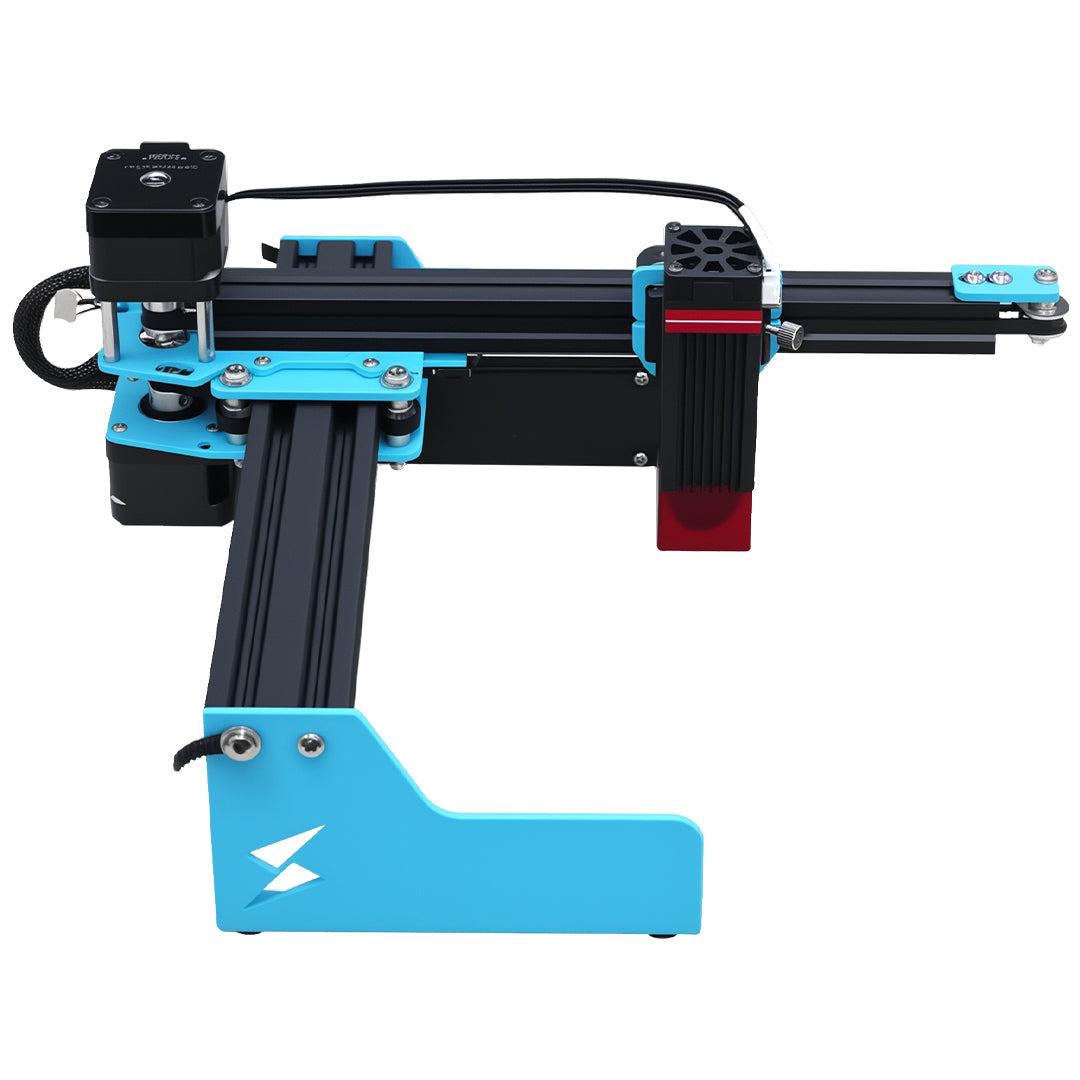
Laser engraving isn't just for hard materials like wood, metal, and acrylic. You can also laser engrave natural fabrics like cotton to create beautiful custom designs on t-shirts, tote bags, canvas, and all kinds of textile projects. If you've got a 10W diode laser like the Tyvok A1 Mini, you already have everything you need to start engraving cotton fabric.

Laser engraving cotton creates a unique distressed, burned effect that looks really cool. It's different from screen printing or heat transfer vinyl because it actually burns away the top layer of the fabric, creating a permanent effect that won't peel or crack. This makes it perfect for custom apparel, accessories, and home decor projects.
In this complete guide, we'll walk you through everything you need to know about laser engraving cotton fabric and textiles, including recommended settings, safety considerations, best practices, and inspiring project ideas to get you started.
How Does Laser Engraving Work on Cotton?
When you direct a laser beam at cotton fabric, the intense heat burns and vaporizes the surface fibers of the cotton. This creates a controlled burn that darkens the fabric and creates your design. The effect is permanent — you can wash the fabric dozens of times and the engraving won't fade, peel, or crack like some other printing methods.
The result is a subtle, natural-looking design with a slightly different texture than the surrounding fabric. It's not a raised print — the design is actually burned into the fabric, giving it a unique, organic look.
Because cotton is a natural fiber, it lasers really well compared to many synthetic fabrics. Synthetic fabrics can melt and create a gummy mess, but cotton just burns cleanly (with proper ventilation, of course).
Even an entry-level 10W diode laser like the Tyvok A1 Mini has more than enough power to engrave cotton fabric. If you're doing production work like multiple t-shirts for an order, a galvo laser like the Tyvok P2 can engrave a design in seconds, making it much faster than a traditional gantry laser for batch work.
What Types of Cotton Can You Laser Engrave?
You can laser engrave pretty much any type of cotton fabric, but some work better than others:
Best Types of Cotton for Laser Engraving
- 100% Cotton Canvas: This is one of the best fabrics for laser engraving. It's thick, sturdy, and the high cotton content gives great contrast. Canvas tote bags, canvas art prints, and canvas shoe uppers all work excellently.
- 100% Cotton T-Shirts: Medium-weight cotton t-shirts work very well. The denser the fabric, the better the contrast you'll get. Very thin lightweight t-shirts can be tricky because the laser can burn right through if you're not careful.
- Denim: Laser engraving denim is super popular, especially for custom jackets and jeans. The contrast between the blue denim and the lighter burned engraving looks really cool.
- Cotton Twill: Twill fabrics like chinos and work shirts work well. The tight weave gives good results.
- Quilting Cotton: Good for smaller projects and patches. The lighter weight means you need to use lower power to avoid burning through.
What to Avoid
- Synthetic Blends with High Polyester Content: Polyester melts when lasered, which can create smoke, fumes, and a gummy mess. If it's a 50/50 blend, it might work, but 100% cotton is much better.
- Very Thin Sheer Fabrics: These are too easy to burn through. Stick to medium and heavy-weight cottons.
- Fabrics with Chemical Coatings: Some performance fabrics have chemical coatings that can release toxic fumes when burned. Stick to plain, uncoated cotton.
Safety Considerations
Laser engraving cotton has some specific safety considerations you need to be aware of:
- Smoke and Fumes: When you burn cotton, you get a lot of smoke. This smoke isn't as toxic as burning some plastics, but it's still not good to breathe it. You absolutely need good ventilation and a fume extractor.
- Fire Risk: Cotton is flammable! If you use too much power or leave your laser unattended, it's possible for the fabric to catch fire. Never leave your laser unattended when engraving cotton, and have a fire extinguisher nearby just in case.
- Residue Buildup: The burning process creates soot that can build up on your laser optics. Clean your lens more often when you've been doing a lot of fabric engraving.
- After Engraving Venting: After you finish engraving cotton, let the laser chamber air out for a few minutes before opening the door to get rid of excess smoke.
As with any laser project, following proper laser safety guidelines is important. The good news is that when you follow the safety rules, laser engraving cotton is perfectly safe.
Recommended Settings for Laser Engraving Cotton
Settings depend on your laser power and the weight of the cotton fabric. Here are good starting points for a 10W diode laser like the Tyvok A1 Mini:
For Heavy Weight Cotton Canvas:
- Speed: 200-300 mm/s
- Power: 40-60%
- DPI: 200-300
- Passes: 1
For Medium Weight T-Shirt Cotton (180-200 GSM):
- Speed: 300-400 mm/s
- Power: 30-50%
- DPI: 200-300
- Passes: 1
For Denim:
- Speed: 200-300 mm/s
- Power: 40-60%
- DPI: 200-300
- Passes: 1
For Light Weight Cotton (100-150 GSM):
- Speed: 400-500 mm/s
- Power: 20-30%
- DPI: 200-300
- Passes: 1
For Galvo Lasers (Tyvok P2 10W):
- Speed: 500-800 mm/s
- Power: 30-50%
- Passes: 1
Important Note: Always test your settings on a scrap piece of the exact same fabric before doing your final project. Different fabrics respond differently, and it's better to waste a scrap than a finished product.
Tips for Perfect Results
Here are some pro tips that will help you get great results when laser engraving cotton:
1. Stretch the Fabric Taut
This is one of the most important tips. If your fabric is loose and wrinkled, it won't be in focus, and you'll get bad results. You need to stretch it as tight as a drum over your laser bed.
Some ways to do this:
- Use a laser fabric engraving jig that holds the fabric tight
- Use an embroidery hoop to stretch smaller pieces
- Use low-tack masking tape on all four edges to pull it tight
- For tote bags, you can place a piece of MDF inside the bag to hold the fabric flat and taut
2. Use a Higher Surface If Needed
If you're engraving something like a finished tote bag that has a bottom gusset, you might need to raise the engraving area up to get it in focus. Use a piece of honeycomb or a flat board under the area you're engraving.
3. Test, Test, Test
We mentioned it before, but it bears repeating: always test on a scrap of the same fabric. Too much power will burn right through your cotton, too little power and you won't get enough contrast.
4. Air Assist Helps
Use your air assist. The air helps blow away the smoke and soot, which gives you cleaner results and reduces discoloration outside your design area. The Tyvok A1 Mini comes with air assist, which is really helpful for fabric engraving.
5. Wash After Engraving
After engraving, you'll notice there's some soot and residue on the fabric. The best way to get rid of it is to simply wash the fabric (if possible). This removes all the soot and gives you a clean, finished look. For items that can't go in the washing machine, you can wipe them with a damp cloth.
6. Contrast Considerations
The contrast you get depends on the color of the cotton:
- Black or dark blue cotton: The engraving will be lighter than the background, creating good contrast
- White or light cotton: The engraving will be darker than the background, which also creates good contrast
- Medium colors: Contrast is still good, but it's more subtle
You get good contrast with pretty much any color of cotton, so don't be afraid to experiment.
7. Avoid Loose Threads
Trim any loose threads from the fabric before engraving. Loose threads can catch the laser and cause unwanted burning.
8. Put Something Behind It
When you're engraving a thin fabric like a t-shirt, put a piece of scrap cardboard or MDF behind the fabric to protect your laser bed and to help keep the fabric flat.
Common Mistakes to Avoid
Even beginners can get great results, but here are some common mistakes to avoid:
- Not Stretching the Fabric Enough: If the fabric is loose, it will be out of focus and your design will be blurry. Take the extra time to get it really tight.
- Using Too Much Power: It's easy to burn right through cotton if you use too much power. Start with lower power — you can always go back and do a second pass if you want darker engraving.
- Not Having Good Ventilation: Cotton creates a lot of smoke. If your ventilation isn't good, you'll get soot all over everything, including your finished project and your laser optics.
- Leaving It Unattended: Remember, cotton is flammable. Never walk away from your laser when it's engraving cotton. Stay nearby and keep an eye on it.
- Using the Wrong Material: Blends with a lot of polyester don't work well. Stick to 100% cotton for best results.
Project Ideas for Laser Engraved Cotton
There are tons of great projects you can make with laser engraved cotton. Here are some ideas to inspire you:
1. Custom T-Shirts
Laser engraved t-shirts have a really unique, soft feel compared to vinyl or screen printed shirts. The design doesn't add any thickness to the fabric — it's just burned into the material. Great for:
- Band shirts
- Family reunion shirts
- Event shirts
- Personalized gifts
2. Custom Tote Bags
Canvas tote bags are perfect for laser engraving. They're already stretched tight if you put a board inside, and the canvas gives great results. Great for:
- Wedding welcome bags
- Shopping bags with logos
- Promotional items
- Gifts
3. Denim Jackets and Jeans
Custom engraved denim is super trendy right now. You can engrave logos, artwork, or text on the back of a denim jacket for a really cool custom look.
4. Cotton Canvas Art
Stretch canvas over a frame and engrave a design or photograph. The grayscale effect looks really interesting on canvas, and it's a unique piece of art.
5. Personalized Wedding Gifts
- Custom ring bearer pillows
- Mrs. and Mrs. tote bags
- Anniversary gifts with dates and names
6. Patches
Engrave designs onto cotton canvas to make custom iron-on patches for jackets and backpacks.
7. Home Decor
- Cotton tea towels with engraved designs
- Throw pillow covers
- Wall hangings
- Table runners
8. Leather Alternatives? Wait, No — This Is Cotton
Wait, you can actually do a really interesting "faux leather" look by engraving dark cotton canvas, but it's not the same as real leather engraving. But that doesn't mean it doesn't look cool!
Why the Tyvok A1 Mini is Perfect for Cotton Engraving
If you're just getting started with laser engraving and want to experiment with cotton and textiles, the Tyvok A1 Mini is the perfect machine. It's affordable, compact, and the 10W diode has exactly enough power to get great results on cotton without being overpowered. The included air assist helps keep your engravings clean, and the compact size is perfect for small workshops.
Once you start getting more orders and need to scale up production, the Tyvok P2 galvo laser can engrave a t-shirt design in just a few seconds, which is much faster than a traditional gantry laser. This allows you to fulfill larger orders without working around the clock.
Care Instructions for Laser Engraved Cotton
The good news about laser engraved cotton is that it's completely permanent and machine washable. Here are some simple care tips you can pass along to your customers:
- Machine wash normal cycle with like colors
- You can tumble dry on low heat
- The engraving won't peel, crack, or fade with washing
- If you need to iron, iron on the reverse side (inside out) to avoid direct heat on the engraving
That's it — pretty simple! Unlike other decoration methods, you don't need any special care instructions.
Conclusion
Laser engraving cotton fabric and textiles is a fun way to create unique, permanent custom designs on all kinds of projects. From custom t-shirts and tote bags to denim jackets and home decor, there's no end to what you can create.
The key points to remember are:
- Stick to 100% cotton, avoid high-percentage synthetic blends
- Stretch the fabric really tight before engraving
- Start with lower power — you can always add more
- Use good ventilation and never leave your laser unattended (cotton is flammable!)
- Wash after engraving to remove soot
Even an entry-level 10W diode laser like the Tyvok A1 Mini can produce beautiful results on cotton. If you've only been engraving hard materials up until now, give cotton a try — it's a whole new world of project possibilities, and it's a great way to expand the products you can offer if you're selling laser engraved items.
For more information about getting started with laser engraving, check out our 10 Easy Laser Engraving Projects for Beginners That Sell in 2026 article for more beginner-friendly project ideas that you can make and sell.