

New Coated-Blank Lot? Compare It With a Retained Coupon
Run old-lot and new-lot coupons under one unchanged, documented setup before deciding that the P2 needs different values.

Define the failure before changing anything
Repeat sellers need to know whether a changed result follows a supplier lot rather than silently retuning every order.
The useful method here is paired old-lot/new-lot coupon protocol holding file, focus, cleaning, and observation constant.
Build a controlled comparison
| A/B field | Old retained lot | New lot | Disposition |
|---|---|---|---|
| File and focus | Locked | Same locked state | Invalidate comparison if changed |
| Visible contrast | Record score/photo | Record same lighting | Compare side by side |
| Dry residue | None / observed | None / observed | Hold shedding lot |
| Damp transfer after cure | Record method | Same method | Release only accepted lot |
Make one safe change at a time
- Label one old-lot and one new-lot coupon.
- Verify both coatings from supplier evidence.
- Run the unchanged accepted file on both.
- Compare contrast, residue, and transfer after the documented wait.
TYVOK P2 facts for retained old-lot blank
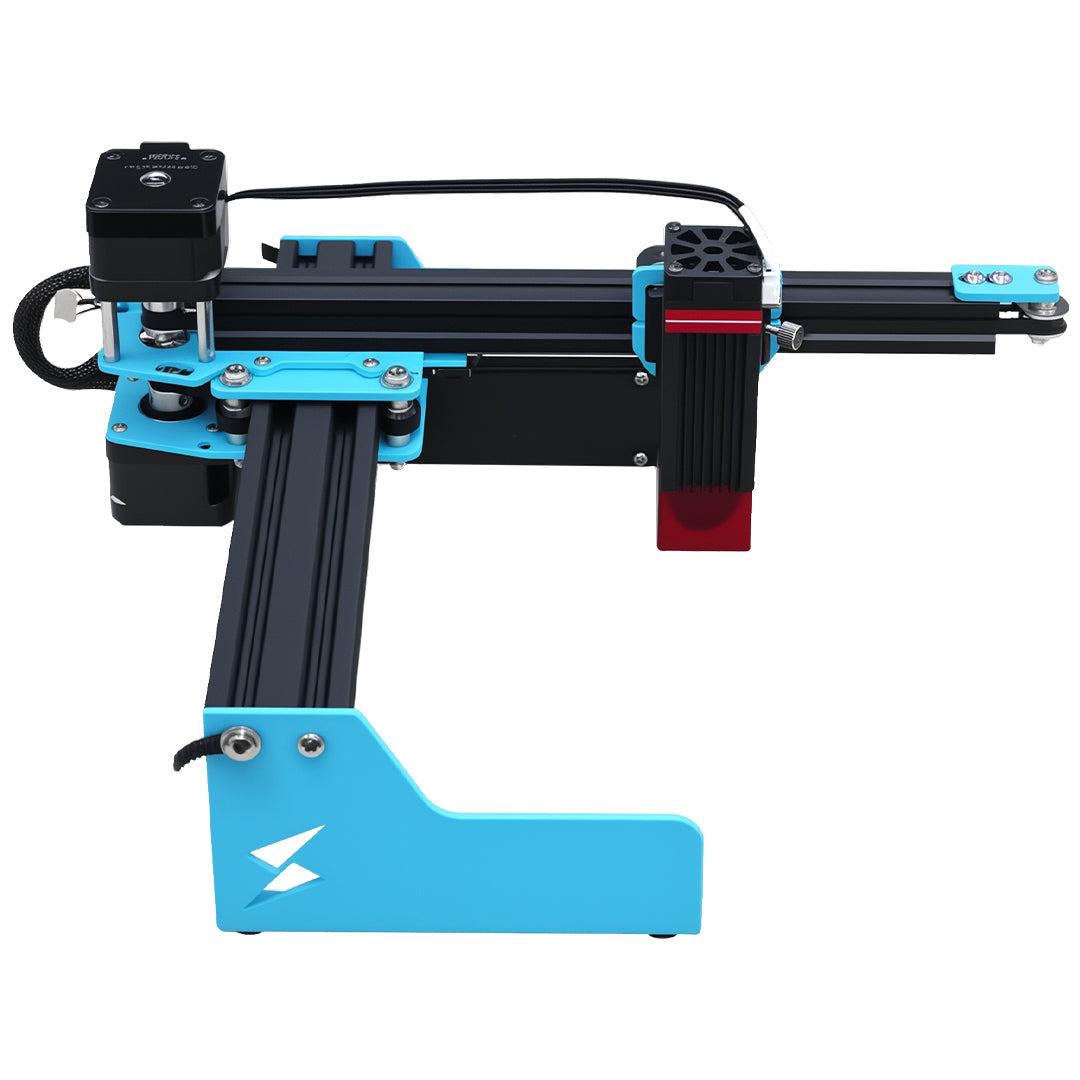
P2's compact personalization format does not make an unidentified coating eligible; see the current TYVOK P2 configuration.
References for identified new-lot blank
- Qualify coated cardstock before output
- Hold unidentified customer materials
Buyer questions about retained old-lot blank
How large should a retained coupon be?
Keep enough identified material for at least one future comparison; the useful size is the smallest coupon that preserves the critical feature and lot label.
What if only the new lot fails?
If only the new lot fails, hold the new lot and confirm supplier/coating evidence before any retuning.
Can a seller name prove coating chemistry?
No. A seller name or color description does not identify coating chemistry; retain the exact product and technical evidence.