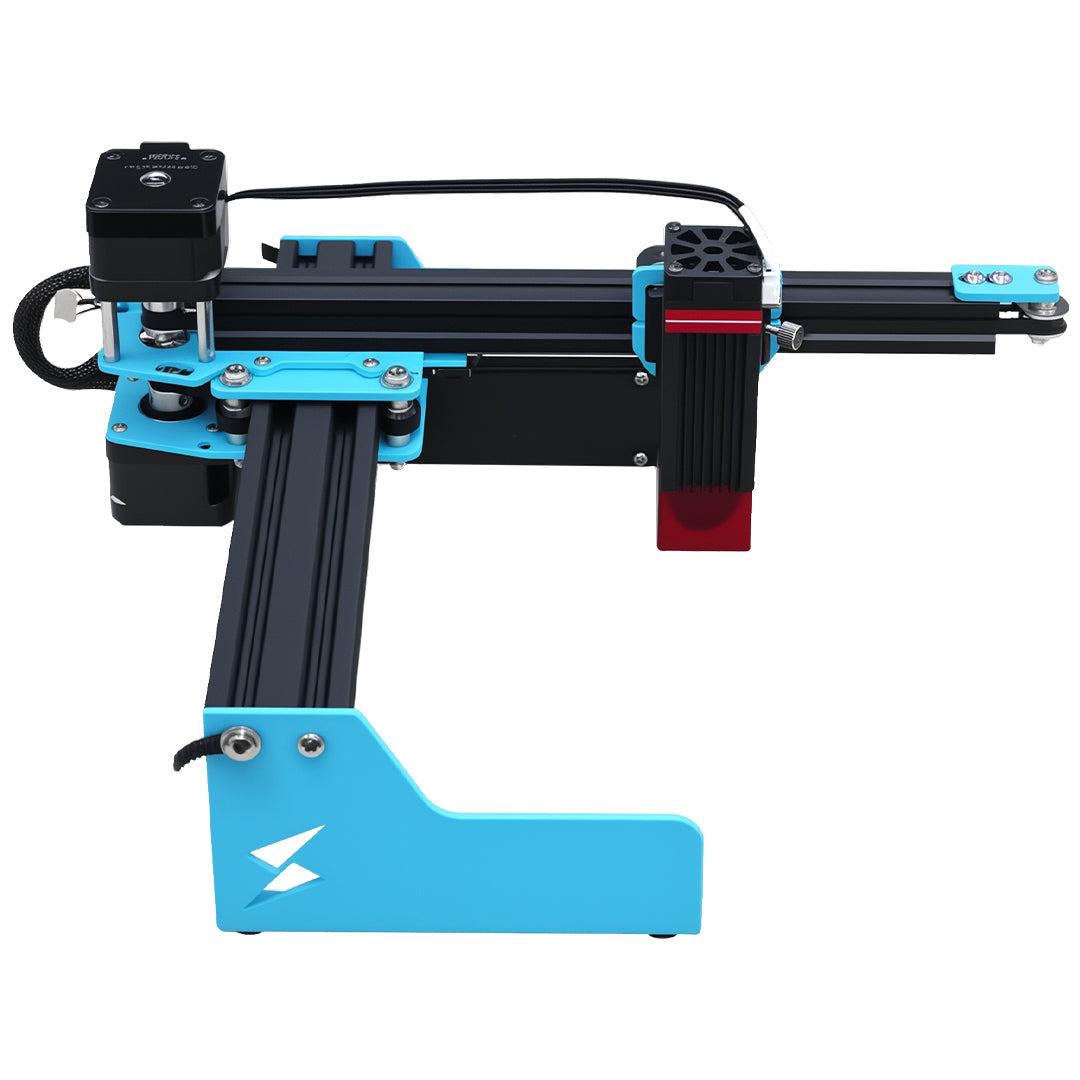


Inspect leather after approved cleanup has fully dried, then compare its flexibility with an untreated piece from the same lot. A surface that looks clean while damp can later feel stiff or crack when the finished item bends. Do this comparison before sewing or attaching the piece to another product.

In an August leather-cutting discussion, a maker reported cracking after washed leather dried. That report does not identify every cause or prescribe a P2 cleaning method. It does show why a clean-looking surface alone is an incomplete acceptance check.
Separate processing from cleanup
Keep three small, eligible samples when practical: an untouched control, an engraved sample before cleanup and a sample cleaned according to the leather supplier's approved care instructions. Identify them before processing so the pieces cannot be confused afterward.
Let the cleaned sample reach the condition specified for evaluation by the supplier. Do not accelerate drying with improvised heat, soak the piece to remove residue or add an unfamiliar conditioner to hide damage. Those changes create another process that would need its own approval and comparison.
Bend it as the finished object will bend
Use the same gentle, intended bend on each sample. A flat patch and a folded corner have different demands. Photograph the visible surface and record whether the piece returns to its original appearance; do not force a sharp crease solely to create a dramatic test.
| Observation on the sample | Compare with the control | Action before P2 gift assembly |
|---|---|---|
| New surface cracks | Did they exist before processing? | Hold the piece and ask the supplier about suitability |
| Increased stiffness | Does the untreated piece flex differently? | Investigate the approved cleanup process |
| Residue near stitching | Does contact soil light thread? | Complete a separate thread-transfer check |
| Changed mark contrast | Is the dried appearance acceptable? | Obtain approval of the dried sample |
The stitch-hole and light-thread check addresses transfer to another material. It does not establish that the leather remains flexible. Keep both observations when an order has pale stitching on a frequently bent panel.
Choose assembly after the sample passes
When a patch will be sewn or attached by another approved method, assess its expected bending before selecting sewing or heat-press attachment. A method that holds the patch securely cannot restore leather already damaged during processing.
The P2 platform is suited to compact personalization workflows, but a generic leather listing is not approval of every tanning process, coating or cleaning product. Use exact material identification and the relevant P2 operating instructions. This comparison is a practical appearance and handling check, not a certification of tear strength or long-term durability.
Should I add conditioner if the cleaned piece feels stiff?
Ask the leather supplier first. An added product can change appearance and handling, and it may conceal the original problem. Keep the failed sample so the supplier can assess the actual sequence.
Can pre-cut blanks avoid this problem?
They can remove cutting from your workflow if edge processing was the burden, but engraving, cleanup and the blank's finish still need evaluation. Compare the fully dried piece rather than assuming pre-cut means ready for every personalization process.