

Proof the longest real entry in each line of a three-line wooden placard before making a personalized batch. If variable text is squeezed to fit, line one can look compact while line three still looks spacious. A tidy short-name sample is a weak acceptance test for a list containing long surnames, locations and dates.

In a LightBurn variable-text discussion, a maker reports uneven line widths when three fields are constrained. That is a software and layout question, not evidence that the P2 changes letter spacing on its own. Use the conversation as a reason to inspect the actual output preview and a physical sample.
Build a worst-case record
Choose an entry with the longest first line, one with the widest surname and one with the most crowded third line. If those occur in different records, test all three rather than inventing a single unrealistic record. Keep spelling, punctuation and accents from the customer's approved data. Set a minimum readable letter height for the intended viewing distance, then adjust the placard size or copy when the text cannot fit.
- Measure the usable area inside the placard edge.
- Load representative data into the chosen compatible software workflow.
- Check every line in Preview at the final dimensions.
- Mark one sacrificial wooden placard and inspect it from normal viewing distance.
- Release the batch only after the physical proof matches the approved record.
Watch for a line that is technically inside the box but visually crushed. Also inspect the baseline relationship: a long second line should not appear to push a date into the lower border. If your software has a variable-text Test control, remember that on-screen substitution alone is not proof of what will be sent to the machine.
Use a compact P2 mark deliberately
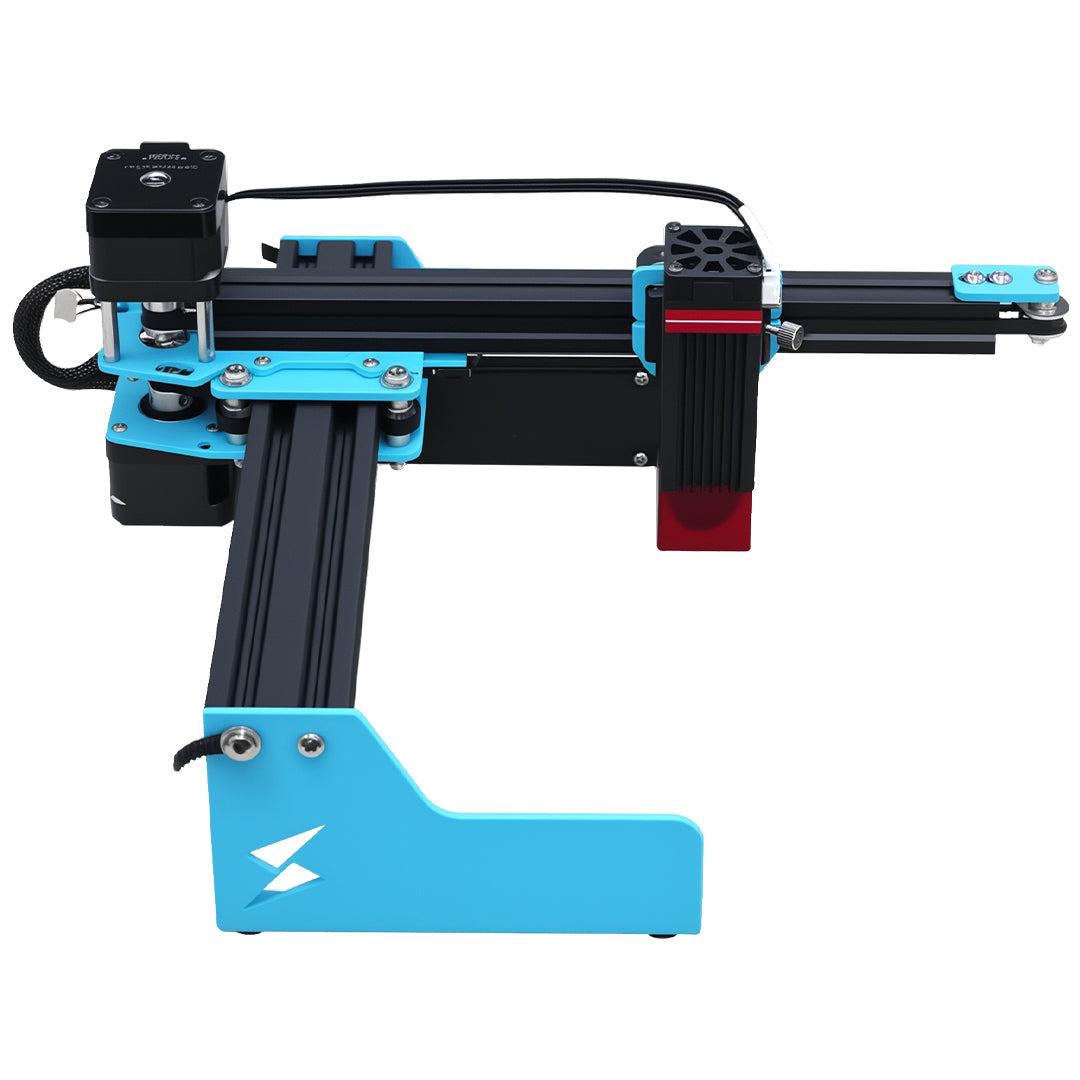
The TYVOK P2 supports compact blue-diode galvo personalization. Confirm the selected wooden blank and complete design fit the actual setup, use known laser-compatible material, frame and focus it, and supervise with extraction. No generic font-size or power value is guaranteed across woods.
For a related batch question, plant labels need a controlled number of each name, while this placard needs balanced line widths within one record. If a tiny line looks wrong, compare single-line and outlined text on a physical proof before changing every record.
Does a maximum width make all three lines the same size?
No. It can constrain each field differently depending on the text and tool behavior. Inspect representative long entries in the software version you actually use and on a marked sample.
Should I reduce every line to fit the longest name?
Only if that result remains readable and visually balanced. A larger blank, edited wording or a different layout may be better than compressing all customers' text to one extreme case.