

Direct Answer
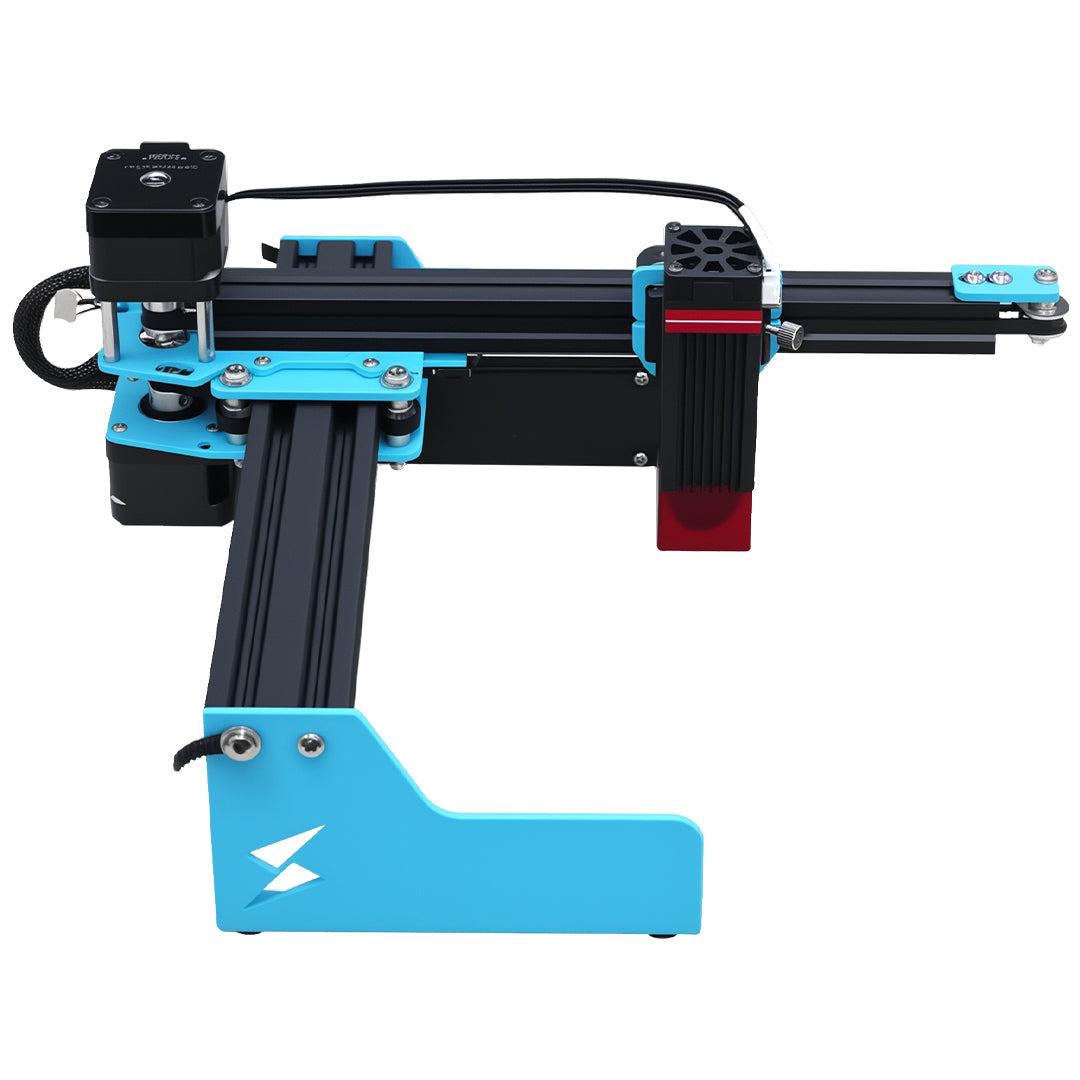
X1S 2026 helps long-board buyers by reducing the number of times a board must be moved, but it still needs a disciplined origin, support, and proofing workflow. Larger format reduces avoidable splicing; it does not replace setup control.

Demand Signal Behind This Topic
LightBurn forum users ask how to engrave signs longer than the bed and whether they must break designs into sections, showing a persistent long-board workflow problem.
Buyer Checklist
- Square the board mechanically before software setup.
- Use a repeatable origin strategy.
- Run a low-power frame or proof mark before final engraving.
- Support the full board so it does not shift during travel.
- Keep long-board articles linked to the X1S 2026 sign and software guides.
Decision Table
| Buyer situation | Fit | Practical note |
|---|---|---|
| Short phrase sign | Low alignment risk | Standard proofing is enough. |
| Long family name board | Medium risk | One-piece layout helps. |
| Porch board | High risk | Support and origin control are required. |
| Segmented art | Very high risk | Plan seams intentionally or avoid them. |
The Problem Is Movement
Most long-board errors start when the board has to move between sections. Each movement adds a chance for drift, twist, or a mismatched software origin.
How X1S 2026 Changes the Decision
A larger format can keep more of the design in one controlled layout. That is commercially useful because a remake on a long board costs time, material, and customer trust.
Proof Before Final Output
Long-board workflows need a simple rule: frame, proof, then commit. It is more credible than promising perfect alignment from hardware alone.
What to Compare Next
This guide is the technical follow-up to the large-sign article. When long-board demand becomes repeated production, the next step is the X1S Pro SOP guide for fixtures and operator handoff.
Related Internal Links
- https://tyvok.com/products/tyvok-spider-x1s-laser-engraver-cutter
- https://tyvok.com/blogs/news/tyvok-x1s-2026-signs-over-24-inches-guide
- https://tyvok.com/blogs/news/tyvok-x1s-2026-lightburn-lasergrbl-tyvok-studio-guide
- https://tyvok.com/blogs/news/tyvok-x1s-pro-large-panels-long-boards-sop-guide
- https://tyvok.com/blogs/news/tyvok-x1s-pro-vs-x1s-2026-solo-shop-production-guide
Check Current Product Details
Check the live TYVOK X1S 2026 page before buying: https://tyvok.com/products/tyvok-spider-x1s-laser-engraver-cutter. Use the current page details as the source of truth for bundles, power options, software support, and accessories.
FAQ
Can I engrave a board longer than my laser bed by moving it?
Sometimes, but every move adds alignment risk. If the design cannot tolerate a visible shift, a larger-format workflow is safer.
What causes most long-board engraving errors?
Unsupported boards, inconsistent origin setup, and skipping a proof pass are common causes.
Does X1S 2026 make splicing unnecessary?
It can reduce forced splicing for many jobs, but the exact answer depends on live workspace configuration and the size of the board.
When should I compare X1S Pro instead?
Compare X1S Pro when long-board work becomes repeat production with fixtures, SOPs, or multiple operators.