

Repeated Fill Stop: Map Position With Control Copies
When a filled engraving stops repeatedly, place identical, checksum-matched control copies in named zones and log the outcome. The pattern can separate artwork-linked, position-linked, and intermittent behavior. It does not identify a failed component by itself, and unexplained motion, smoke, flame, or unsafe operation is an immediate stop condition.

Freeze the test before moving anything
Duplicate one small representative fill without editing its nodes, size, layer, orientation, or settings. Label four positions A through D and record coordinates or fixture cells. Use the same verified material lot and support. Photograph placement, save the source file checksum, note software and firmware versions visible to the operator, and preserve any console or screen message.
Run only under current manufacturer instructions with the machine attended. Randomize or at least record sequence—A, C, B, D is more informative than always moving left to right—because warming, connection stability, and elapsed time can otherwise masquerade as location.
| Observation | Next diagnostic branch | What it does not prove |
|---|---|---|
| Same artwork copy fails wherever placed | Export a fresh simple control; inspect geometry and file transfer | That hardware is healthy |
| Different copies fail only in one zone | Repeat that zone with a known-simple control and inspect workholding/travel | A calibration value or bad component |
| Failure follows run order or elapsed time | Cool down safely; preserve logs; test a shorter known control | A specific thermal or electrical cause |
| Stops are random across copies and zones | Check connections and host communication per current instructions; escalate with logs | That the problem is harmless |
| Simple control passes but original fill fails | Reduce the original into halves or layers to isolate file content | That every future complex file will pass |
A concrete four-zone example
Assume copies A, B, C, and D are identical. First run: C stops while A, B, and D finish. Repeat C in the same zone and it stops again. Move the exact C copy to zone A while moving A to zone C. If the stop remains in zone C, follow the position branch. If the stop follows the C artwork object to zone A, follow the object/file branch. If both finish on the repeat, preserve the first failure and follow the intermittent branch rather than declaring success.
For an object-linked result, create a new simple rectangle on a new file and test it under a safely qualified process. If that passes, divide the original artwork into logical halves, preserving versions, until one subset reproduces the behavior. Do not compensate by increasing power or bypassing safeguards.
For a position-linked result, inspect flatness, obstruction, cable freedom, fixture interference, and allowed travel checks described by current documentation. Do not infer a correction value from this map. For time-linked or random results, collect timestamps, sequence, duration, messages, connection method, and photos for support. Repeated tests that could damage work or equipment are not useful evidence.
What to send to support
Provide the original and simplified files, checksums, a zone diagram, run order, exact symptom, timestamp, displayed messages, software/firmware information, material identity, and the one-variable comparisons already completed. This is more actionable than “it stops halfway.” Keep any confidential customer artwork out of shared files unless authorized.
The offset-grid evidence guide explains why measurements should remain separate from corrections. For repeat production records, use a reorder specification card.
TYVOK X1S Pro boundary
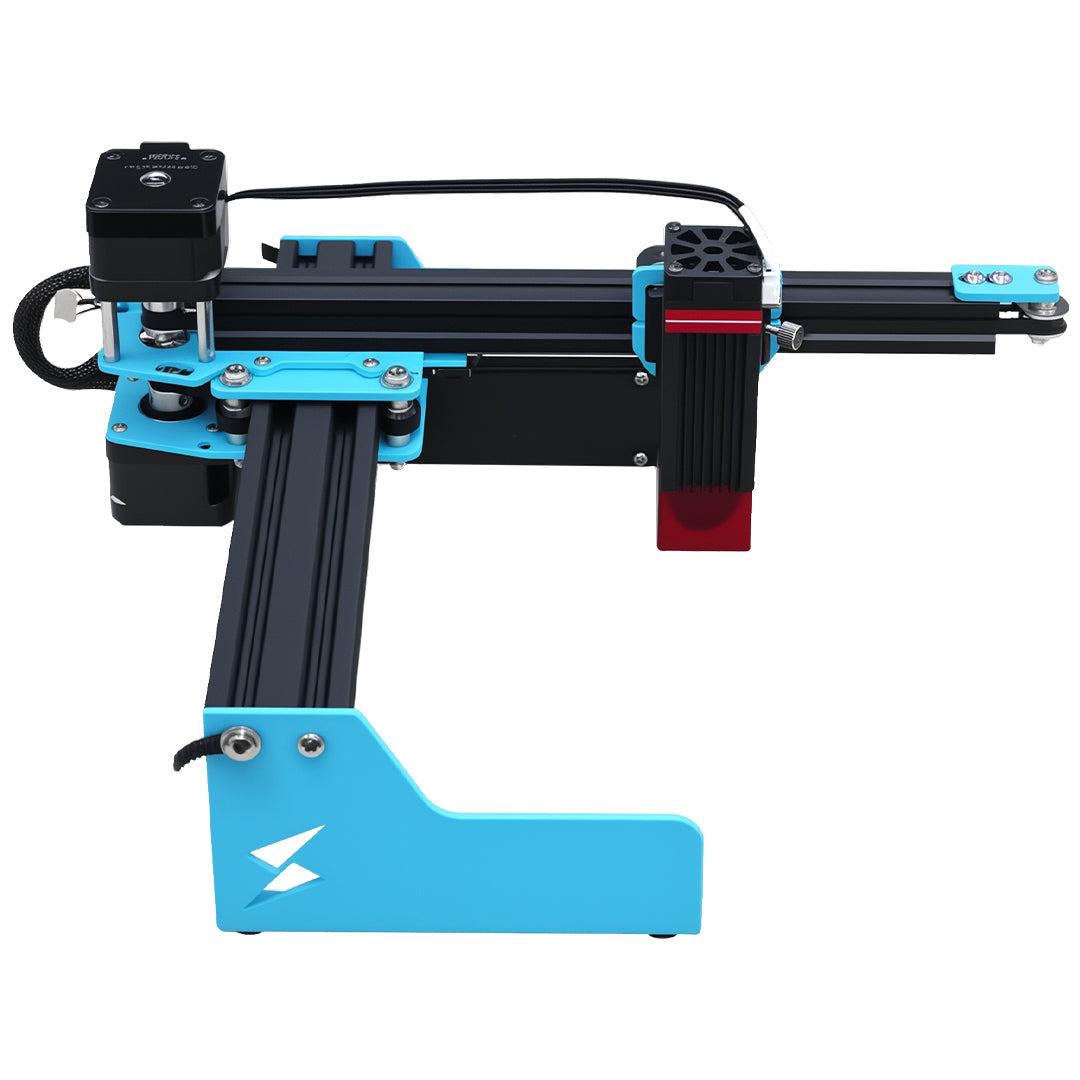
Confirm current configuration, supported software, operating instructions, accessories, and regional availability on the TYVOK X1S Pro product page. This diagnostic map does not promise uptime, throughput, a particular cause, or a safe workaround. Stop and contact qualified support when instructions, safeguards, material identity, or motion are uncertain.
Buyer FAQ
Can I resume a stopped fill at the same point?
Only use a resume method if current machine and software instructions explicitly support it for that condition. Otherwise preserve evidence, make the situation safe, and rerun a qualified control rather than risking overlap or missed areas.
Why must every control copy be identical?
If geometry or settings differ, position and artwork change together, so the result cannot distinguish them. A checksum and locked dimensions protect the comparison.
When should I stop testing and contact support?
Stop for unsafe behavior, repeated unexplained motion, abnormal smoke or flame, damaged connections, or a reproducible failure after simple controlled branches. Send the evidence package rather than continuing risky repetitions.