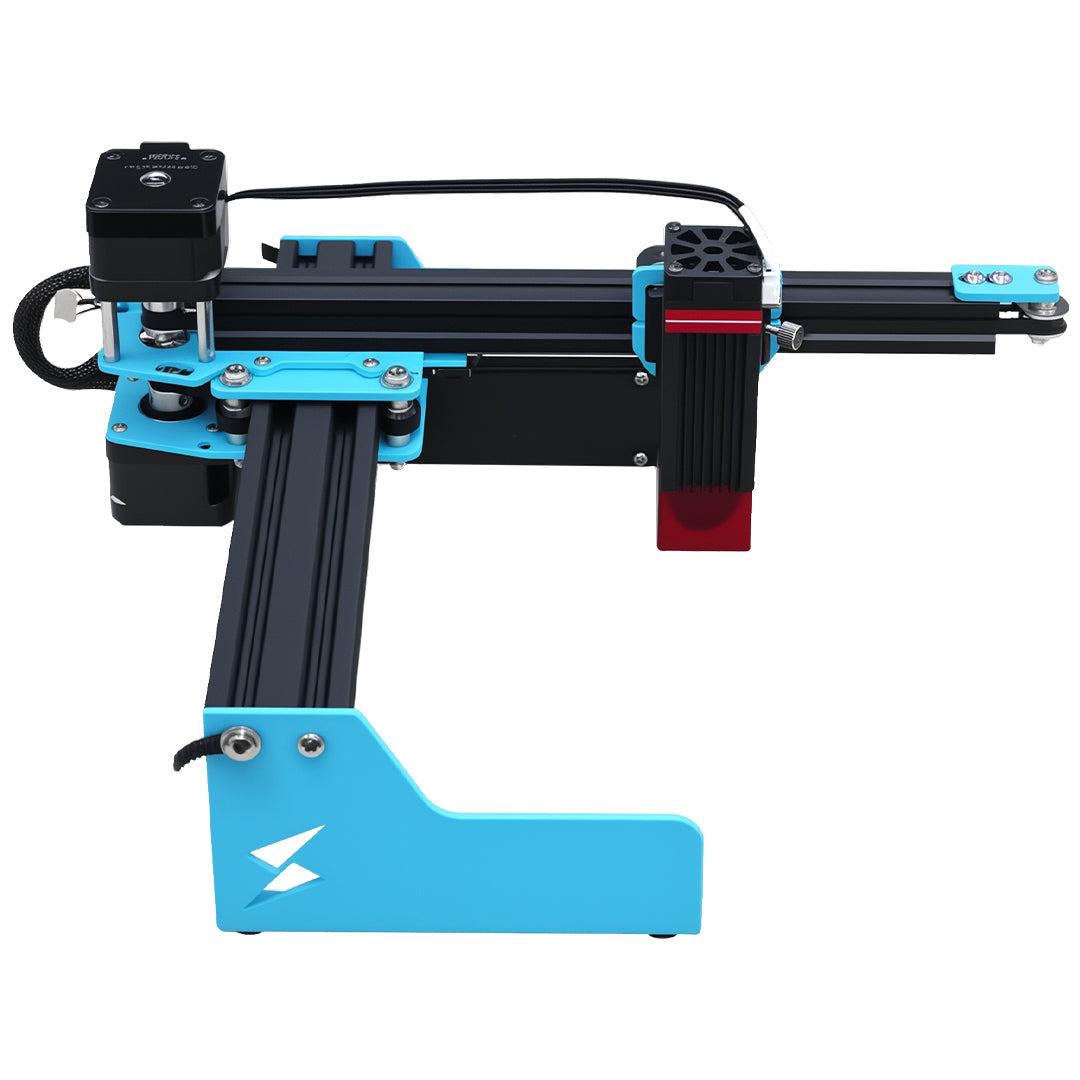


TYVOK X1S Pro is positioned for more serious large-format and batch production planning, including shared Y-axis and multi-machine concepts in selected configurations and current product copy. That does not mean every buyer should start there. A multi-machine workflow only makes sense when the order pattern justifies it.

This guide keeps the decision practical and claim-safe.
Direct Answer
Consider TYVOK X1S Pro for multi-machine or batch planning when you already have repeated products, known materials, documented files, and enough order volume to benefit from parallel or modular workflow planning.
Start With the Order Pattern
Before thinking about multiple heads, shared axes, or advanced layouts, answer one question: do you have a repeatable order pattern?
Good candidates:
- Repeated signage sets
- Multi-piece retail displays
- Batch product panels
- Large decorative boards
- Rotary or specialty workflows already tested
- Repeat B2B orders with consistent specs
Poor candidates:
- One-off custom art with unclear files
- Random customer materials
- Unproven product ideas
- Jobs where setup time exceeds production value
What Must Be Standardized First
Batch workflows need standardization:
| Item | Why it matters |
|---|---|
| Material source | Keeps finish and behavior consistent. |
| File template | Prevents layout mistakes. |
| Origin and fixtures | Makes repeated runs possible. |
| Inspection method | Keeps quality consistent across units. |
| Packaging | Ensures finished products can ship safely. |
If these are not documented, adding more hardware may multiply mistakes instead of improving workflow.
X1S Pro vs X1S
Use X1S when your primary need is a larger work area and a flexible path into signs, panels, and large products. Consider X1S Pro when you are planning a more advanced shop setup around batch work, modular expansion, rotary support, or multi-machine concepts.
Always confirm the exact product variant and accessory package before buying. Current product pages may include multiple power and add-on options.
Single X1S vs X1S Pro vs Multi-Machine
| Situation | Better decision |
|---|---|
| You are still proving large-format demand | Start with one X1S workflow. |
| You have repeated large boards or panels | Compare X1S Pro configurations. |
| You need selected rotary, dual X-axis, or modular options | Confirm the X1S Pro bundle before buying. |
| You already have repeat B2B batch orders | Consider multi-machine planning after documenting setup and QC. |
| You mainly sell compact tags and gifts | Keep P2 as the primary workflow. |
Do not move to multi-machine planning until the single-machine workflow is stable.
Avoid Unsupported Claims
Do not build sales pages or client quotes around exact daily output unless you have tested your own files, materials, and operator process. A batch workflow depends on more than machine capability:
- Artwork readiness
- Material consistency
- Setup time
- Cleaning and finishing
- Inspection
- Packaging
- Rework rate
Use tested internal numbers for your shop before promising turnaround times.
Buying Recommendation
Buy TYVOK X1S Pro when your business is ready for large-format batch planning, not just because the spec sounds larger. If you are still validating large-format products, start by comparing TYVOK X1S and build a documented workflow first.
Related TYVOK Guides
FAQ
Should every business start with X1S Pro?
No. Start with the configuration that matches your proven order pattern and workspace.
When does multi-machine planning make sense?
It makes sense after you have repeat products, standard files, tested materials, documented setup, and enough order volume to justify the complexity.
Can I promise a fixed daily output?
No. Output depends on files, materials, setup, cleaning, inspection, operator process, and rework rate.
Is shared Y-axis support available on every setup?
Treat shared Y-axis and multi-machine workflows as configuration-dependent. Confirm the selected X1S Pro bundle before buying.
What should be documented first?
Document material source, file templates, origin points, inspection method, packaging, and rework rules before scaling.