

A useful laser engraver OEM RFQ does more than ask for the lowest price at three quantities. It defines the customer, product configuration, branding scope, destination, launch plan, and support responsibilities clearly enough for the supplier to quote the same product you intend to sell.

If those inputs are missing, two quotations may look comparable while covering different machines, packaging, software, documentation, spare parts, or commercial terms.
1. Describe the market before the machine
Start with the country, sales channel, customer type, and primary application. A dealer serving gift shops has different onboarding and support needs from an education distributor or a technical reseller.
Include current laser-product experience, expected monthly sales, local warehouse or service capability, and whether the project is a market test or an established product-line expansion. This helps determine whether distribution, private label, or local assembly is the appropriate starting model.
2. Identify the exact product configuration
List the base platform, laser module, work area, included accessories, power requirements, plug type, and any configuration choices. Mark each requirement as mandatory, preferred, or optional.
Avoid broad requests such as “best configuration” or “all accessories.” The supplier cannot optimize a product without knowing the jobs customers will run. A smaller, clear configuration is also easier to test, document, stock, and support.
3. Define the branding scope line by line
Separate the machine logo, product name, model label, packaging, inserts, manuals, support contacts, and software. Attach vector logo files and basic brand rules where available.
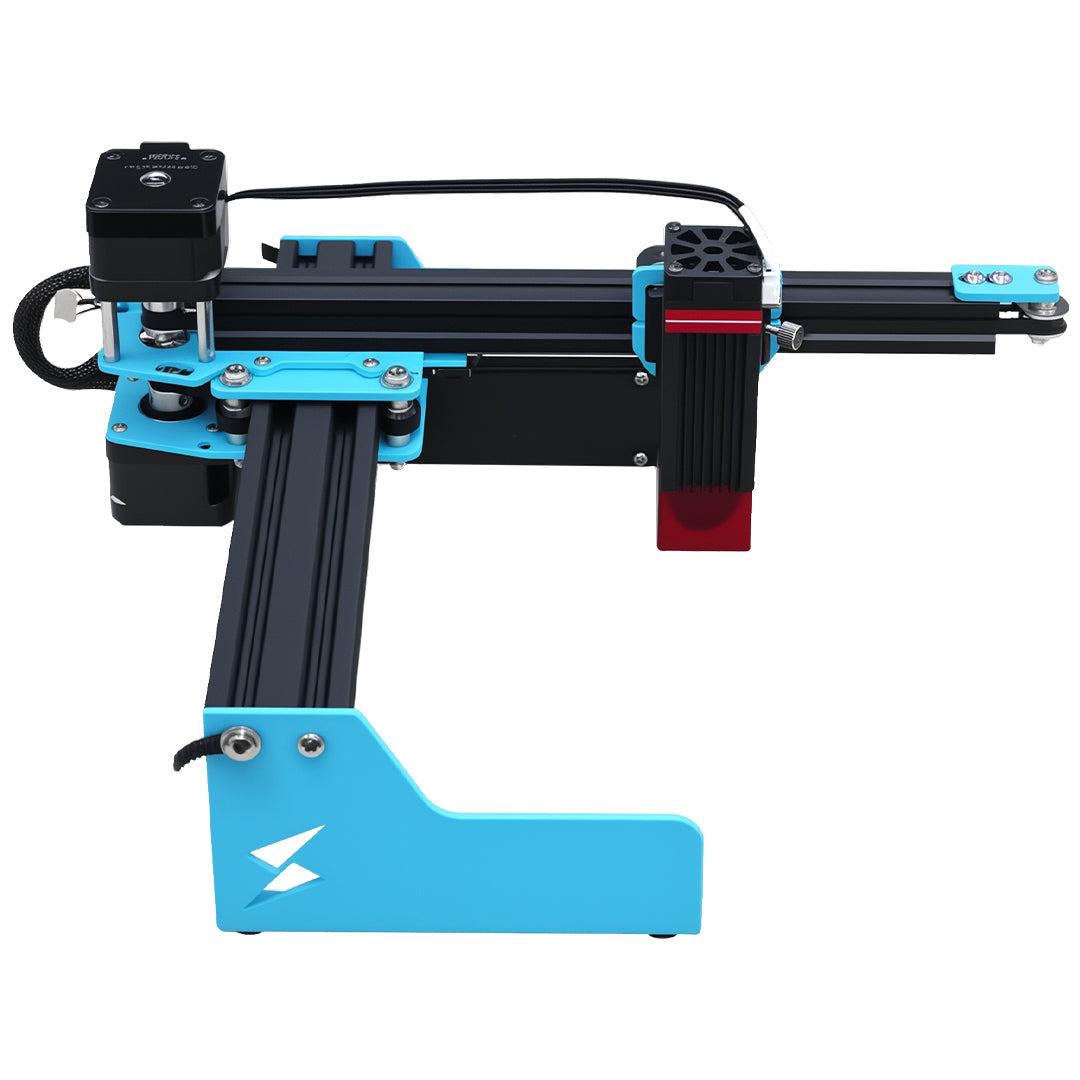
For TYVOK P2, standard machine branding can cover an agreed logo and product name without an additional setup fee for that standard scope. Packaging and software options are reviewed separately, so they should not be hidden inside a single “full OEM” line.
4. State the software requirements precisely
Specify whether you need a standard supported application, neutral branding, partner branding, localization, a mobile path, account integration, or a larger software project.
Ask the quotation to identify supported operating systems, device configurations, app-distribution ownership, update responsibility, data handling, languages, and first-line support. Do not assume that the phrase “white label” answers these questions.
5. Provide quantity and timing scenarios
Include an expected first order, a realistic annual forecast, and a target launch window. Separate a sample request from the production quantity.
Around 50 units is a practical reference for light customization in the current P2 program, but the final MOQ depends on configuration and destination. Ask the supplier to explain which scope changes would raise or lower the starting quantity.
6. Identify destination and compliance inputs
List every target country. Ask which documents, labels, test records, importer information, and market-specific reviews are included. Define who will place the finished product on the market and who is responsible for local legal advice and registrations.
Do not assume that one approval automatically applies in every country. Compliance depends on the finished configuration, destination, claims, labeling, and commercial structure.
7. Request a complete commercial breakdown
The quotation should distinguish:
- Sample cost and delivery.
- Product and configuration price.
- Branding and packaging scope.
- Software scope.
- Tooling or setup charges, if any.
- Spare parts and demonstration units.
- Freight term and shipment point.
- Payment schedule.
- Production lead time and approval milestones.
- Warranty and service responsibilities.
This makes later changes visible instead of burying them in a revised unit price.
8. Define the sample and approval process
Ask which sample stage validates the base machine, branding, packaging, software, and final production configuration. Require versioned approval records for artwork, packout, documents, software, and included accessories.
State that production changes after sample approval must be disclosed and reviewed. A pre-production sample is valuable only when it represents a controlled configuration.
9. Include the after-sales model
Describe your local support team and response expectations. Ask which spare parts should be stocked, what evidence is required for escalation, who authorizes warranty remedies, and how software or firmware issues are handled.
The after-sales model affects the real landed cost and should be reviewed before the retail price is set.
RFQ summary template
End the document with a one-page summary: company, country, channel, customer, application, product configuration, first quantity, forecast, branding, packaging, software, launch date, compliance questions, service capability, and requested quotation format.
Submit a P2 sample or OEM request after preparing these inputs, and review the three TYVOK cooperation models before selecting the RFQ path.
Choose a machine for your project
For small personalized gifts and tags, review TYVOK P2 options. For larger wood panels and signs, compare TYVOK X1S 2026 configurations. Test the actual material and project dimensions before buying.