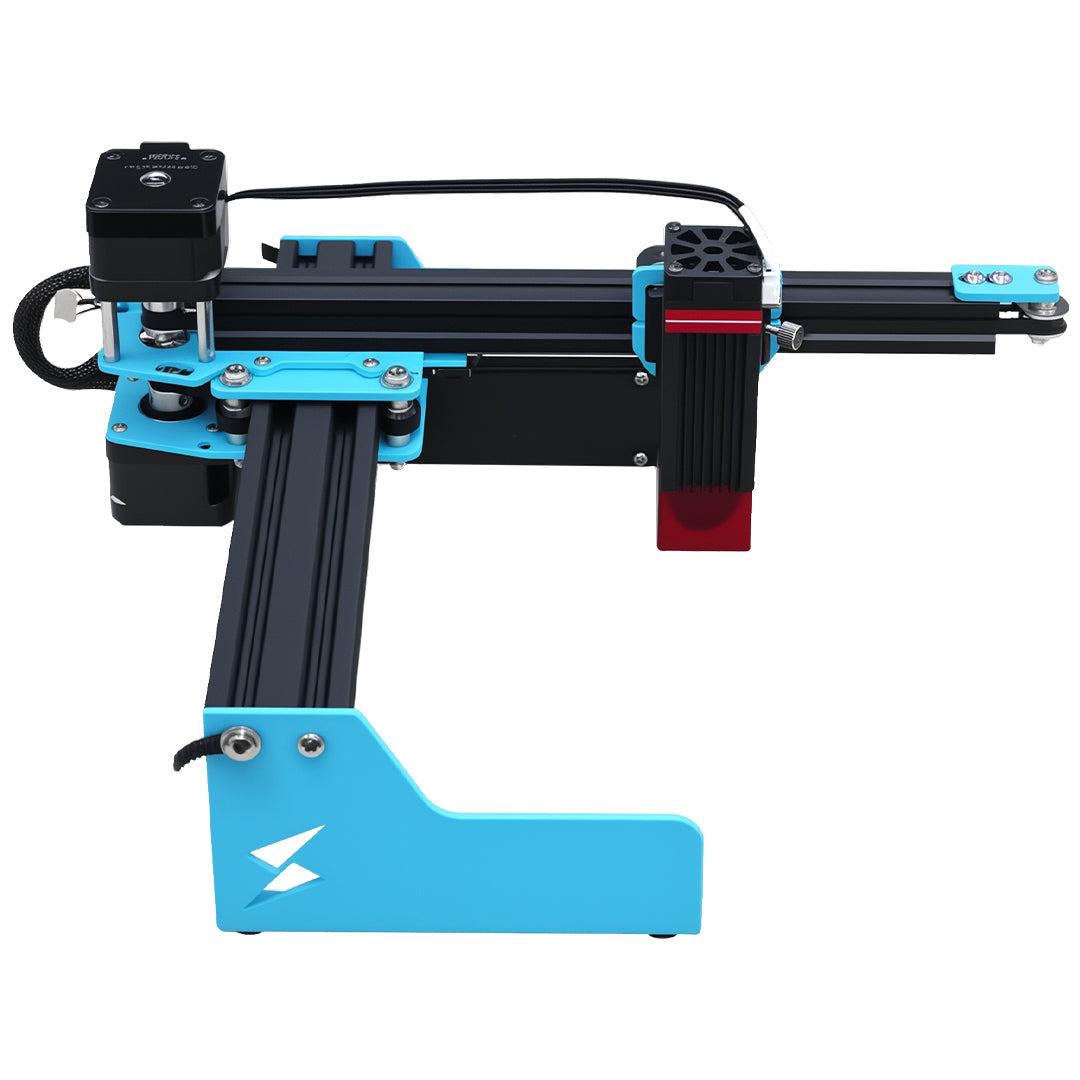


OEM laser engraver compliance cannot be solved with a generic certificate folder. Responsibility depends on the finished product, destination market, branding, importer structure, labeling, claims, software, and whether work is completed locally.

This article is a procurement-planning guide, not legal advice. Before launch, obtain qualified guidance for the actual product and target market. The TYVOK partner program reviews the applicable documentation and responsibility route by destination and confirms it in the final plan.
Define the finished product first
Start with a controlled configuration: machine, laser module, power supply, controller, enclosure or guards where applicable, accessories, firmware, software path, labels, packaging, and instructions.
A report for one configuration may not cover a product with a different laser module, power system, control board, mechanical structure, or intended use. Create a configuration record and connect every document to that record.
Identify every commercial role
The factory, brand owner, importer, distributor, dealer, local assembler, and service provider may be different companies. Map who performs and controls each activity:
- Product design and production.
- Final configuration approval.
- Branding and product claims.
- Importation and market placement.
- Local labeling and documentation.
- Assembly or final testing.
- Customer support and incident handling.
- Product changes and recalls.
Do not assume that applying a new logo leaves every responsibility unchanged.
Build a destination-market checklist
For each country or region, review the applicable product, laser, electrical, electromagnetic, radio, environmental, labeling, language, recycling, battery, software, privacy, and consumer requirements where relevant.
The required path depends on actual features. For example, a wireless function can introduce considerations that are not present in a wired-only configuration. A mobile app may add privacy, account, and app-distribution obligations separate from the physical machine.
Ask which evidence exists, which evidence applies to the selected configuration, which additional work is required, and who owns each action.
Control labels, claims, and instructions
Product labels should match the approved configuration and destination. Technical ratings, model identifiers, serial numbers, responsible-company information, warnings, and traceability must stay consistent across the machine, packaging, documents, and commercial records.
Marketing claims also matter. Do not expand documented material capability, safety features, operating mode, software compatibility, or intended use simply because a competitor uses broader language.
Instructions should explain safe setup, supervision, ventilation, fire readiness, permitted materials, stop conditions, maintenance, and support. Local translation needs technical review, not only linguistic review.
Treat local assembly as a controlled process
Local assembly is not a way to avoid compliance. The applicable responsibility depends on the modules supplied, work completed locally, final product identity, testing, labeling, and the party placing the finished unit on the market.
The local process should use an approved bill of materials, work instructions, trained staff, fixtures, inspection criteria, final functional and safety tests, nonconformance control, serial traceability, and release authority.
Changes outside the approved configuration should trigger technical and compliance review.
Maintain a technical evidence index
Create an index rather than a loose folder. For each document, record the title, issuer, date, model, configuration, revision, destination, owner, expiration or review date, and related production version.
The index should include relevant test evidence, declarations, component records, risk reviews, labels, manuals, quality procedures, change records, and incident handling. Exact contents depend on the market and product.
Prepare an incident and corrective-action route
Define how safety complaints, field failures, damaged shipments, software defects, and labeling errors are reported and assessed. Preserve the product identity, serial number, configuration, evidence, customer location, and actions already taken. Assign authority to stop shipment, quarantine stock, notify partners, update instructions, or begin corrective action when required. The route should also protect customer data and preserve records for the period required by the applicable market and agreement.
Put change control into the OEM agreement
Define which changes require notification and approval: laser module, controller, power supply, wireless component, mechanical structure, firmware, software, supplier, label, packaging, or intended-use claim.
Also define who assesses the effect, updates documents, approves production, and communicates changes to inventory already in the channel.
Questions to resolve before launch
The written plan should answer:
- What is the exact finished configuration?
- Which countries are included?
- Who is the brand owner and importer?
- Who places the product on each market?
- Which evidence applies to this configuration?
- Which labels, languages, and responsible-company details are required?
- Who controls product and software changes?
- Who handles customer incidents and corrective action?
Discuss the destination-specific P2 OEM route, and review the local assembly readiness guide before assigning technical and QA responsibilities.
Choose a machine for your project
For small personalized gifts and tags, review TYVOK P2 options. For larger wood panels and signs, compare TYVOK X1S 2026 configurations. Test the actual material and project dimensions before buying.