

Direct Answer

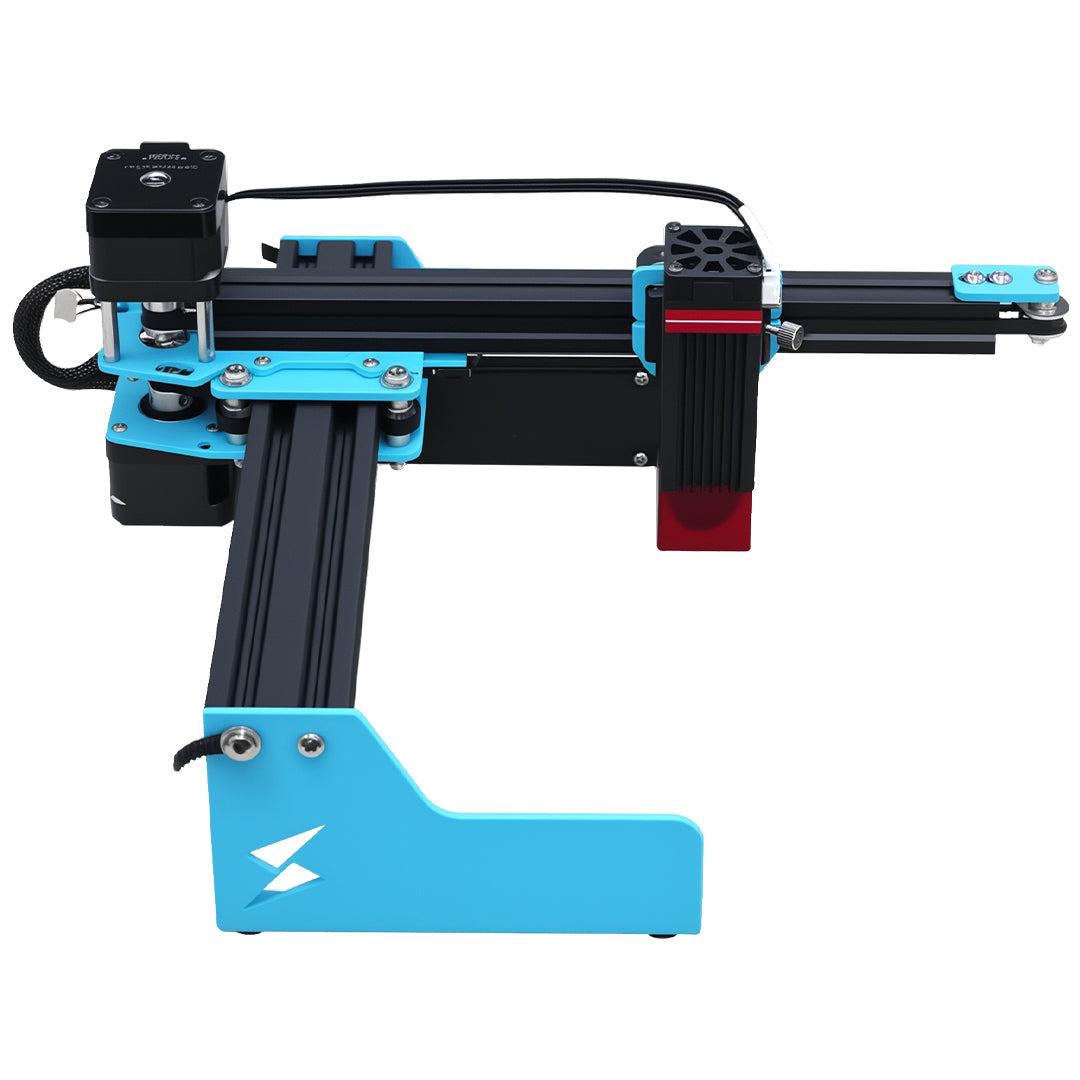
A batch engraving machine is useful when your business needs to arrange multiple products, larger pieces, or repeated layouts in one planned workflow. TYVOK X1S and X1S Pro are stronger candidates when work area and layout planning become the bottleneck. TYVOK P2 is still the better fit for compact, one-at-a-time personalization such as tags, cards, leather patches, and event gifts.
The right question is not “how many items can it engrave per day?” The right question is: can your product, material, artwork, fixture, finishing process, and packaging be repeated reliably?
Key Takeaways
| Buyer question | Better answer | Why it matters |
|---|---|---|
| I engrave one small item at a time | P2 may be enough | Compact personalization does not need a large bed |
| I want to place multiple blanks in one layout | X1S / X1S Pro | Larger area helps batch planning |
| I need signs, panels, or packaging layouts | Compare large-format workflow | Product size drives machine choice |
| I need predictable daily output | Test your own workflow | Output depends on setup, material, artwork, finishing |
| I am building a shop production path | X1S Pro shortlist | Pro options may matter when workflow is already proven |
What Batch Engraving Actually Means
Batch engraving does not only mean “put many items on the machine.” A real batch workflow has repeatable blank placement, consistent materials, a controlled artwork file, a fixture or alignment method, quality checks, finishing steps, and packaging.
If any one of those steps is weak, the batch can fail even if the machine has enough work area. That is why a serious buyer should think in systems:
- What product am I batching?
- Are the blanks consistent?
- Can I place them the same way every time?
- Does the finished result photograph well?
- Can I pack and ship the items profitably?
- What happens when one blank fails?
This is the difference between a hobby test and a business process.
Quick Choice: P2 vs X1S vs X1S Pro
| Workflow need | P2 | X1S | X1S Pro |
|---|---|---|---|
| Compact one-item personalization | Strong fit | Usually more work area than needed | Usually more setup than needed |
| Multiple items in one flat layout | Limited fit | Stronger fit | Stronger fit for planned layouts |
| Larger signs, boards, panels, packaging | Weak fit | Strong fit | Stronger Pro path |
| Repeat fixture or grid layout | Compact fixtures only | Useful for larger layout planning | Useful for larger and more planned workflows |
| Shop space required | Smaller footprint | Larger setup to confirm | Larger setup and accessory path to confirm |
| Output confidence | Test each compact workflow | Test material, layout, fixture, and finishing | Test material, layout, accessories, inspection, and finishing |
When a Compact P2 Workflow Is Still Better
P2 remains the better path when the work is compact, personalized, and fast to set up. If the business sells names, initials, small logos, QR codes, compact leather goods, coated items, cards, tags, or live event gifts, a large-format workflow may be unnecessary.
Use P2 when:
- The product is small and easy to position.
- Each order is personalized.
- You need quick sample loops.
- You do not need many items in one layout.
- Finished product photos matter more than work area.
This matters because many sellers buy for maximum size before proving the product. A compact product line can be more profitable than a large machine that sits underused.
When X1S Makes Sense for Batch Work
TYVOK X1S makes sense when the seller is moving beyond compact personalization and needs more room for boards, panels, packaging pieces, or several smaller products in one layout. It can be the practical middle path for a small shop that wants larger work area without immediately choosing the most complex Pro setup.
X1S is a stronger fit when:
- You want to batch several flat items.
- You are testing larger boards or panels.
- You need more layout space than compact personalization allows.
- You are still validating the product catalog.
- You want a growth path from one-item workflows into larger layouts.
The selected bundle matters. Confirm current configuration, platform option, laser power, and shop space before buying.
When X1S Pro Makes Sense for Batch Work
TYVOK X1S Pro makes more sense when the seller already knows that larger layouts, Pro configurations, dual X-axis options, platform choices, or accessory planning will matter. It is a better shortlist for a shop that is building a more serious large-format process.
X1S Pro is a stronger fit when:
- You already have product demand or a clear product line.
- You need repeated large layouts.
- You want to compare Pro options and accessories.
- You are planning signs, panels, packaging, or multi-item layouts.
- You can test and document the workflow before promising output.
Do not buy X1S Pro only because it sounds more powerful. Buy it when the workflow needs it.
Batch Product Ideas to Test

| Product category | Batch layout idea | What to verify |
|---|---|---|
| Packaging inserts | Repeat logo or message across multiple inserts | Alignment and readability |
| Leather patches | Place multiple patches from one tested material source | Material safety and contrast |
| Wood signs | Arrange several small signs or one larger panel | Board flatness and finish |
| Gift sets | Layout several matching pieces for one order | Setup sequence and packaging |
| Table labels or event signs | Repeat names, numbers, or directions | Text size and consistency |
| Product tags | Repeat brand marks or QR-style labels | Scan/readability and placement |
The first batch test should be simple. Use one product, one blank source, one material finish, and one artwork style. For leather or leather-like products, use only confirmed laser-safe materials. Avoid unknown faux leather, PVC, vinyl, unknown coatings, and any material that may release unsafe fumes.
The 8-Step Batch Workflow Test
Before selling batch engraving as a service, test this workflow:
- Choose one product type.
- Source consistent blanks.
- Create a fixed layout file.
- Decide how each blank will be positioned.
- Run a small batch test.
- Inspect every item, not only the best one.
- Finish, clean, and package the batch.
- Record the total workflow time and failure points.
Do not measure only machine time. Real order output includes setup, alignment, inspection, cleanup, finishing, packaging, and mistakes.
Batch Workflow Decision Table

| Workflow factor | Good sign | Warning sign |
|---|---|---|
| Blank consistency | Same supplier, size, material, finish | Mixed blanks from unknown sources |
| Layout | Fixed grid or repeatable placement | Manual repositioning every time |
| Artwork | Simple, readable, tested | Tiny details or open-ended custom art |
| Material behavior | Repeatable contrast and cleanup | Smoke marks or inconsistent finish |
| Finishing | Predictable sanding, cleaning, sealing | Too much hand repair |
| Packaging | Fits standard boxes or envelopes | Fragile, oversized, or costly |
This table is the real buying filter. The machine choice should follow the workflow, not the other way around.
What to Confirm Before Buying
Confirm these points before choosing X1S or X1S Pro:
- Current product bundle and laser power option.
- Whether the selected setup supports the layout size you need.
- Whether you need a platform board or accessory.
- Shop space for the frame and material handling.
- Ventilation and material safety.
- Software workflow, including LightBurn if relevant.
- Fixture or alignment method.
- Finished product photo quality.
- Packaging and shipping cost.
If these points are not ready, write them down before buying. That one step can prevent a costly mismatch.
Safety and Output Boundaries
Do not promise hourly output or daily output from a headline work-area size. A real output number only comes from testing the exact blank, fixture, artwork, settings, inspection process, cleanup, finishing, packaging, and failure rate.
Material safety must be part of the batch plan. Use ventilation, confirm material composition with the supplier when needed, and avoid unknown plastics, PVC, vinyl, unknown coated boards, unknown faux leather, and materials with unsafe coatings. Batch processing can multiply mistakes quickly, so test a small run before accepting paid orders.
Recommended TYVOK Path
| Situation | Recommended direction |
|---|---|
| Compact personalized products | TYVOK P2 |
| Larger boards or panels | TYVOK X1S / X1S Pro |
| First batch experiment | Start with X1S comparison and a small test batch |
| More serious large-format shop plan | Shortlist X1S Pro and confirm bundle |
| Unsure product demand | Test product photos and orders before scaling |
Related guides:
- Large Format Laser Engraver Buying Guide: X1S vs X1S Pro
- Laser Engraver for Large Wood Signs
- TYVOK X1S Laser Engraver Cutter
- TYVOK X1S Pro Large Format Laser Engraver
- Laser Engraver Ventilation Guide
- Laser Engraving Software Guide
FAQ
Q: What is a batch engraving machine?
A: It is a laser engraving workflow designed to arrange multiple products, larger blanks, or repeated layouts in a planned setup. The machine is only one part of the batch process.
Q: Is X1S good for batch engraving?
A: X1S can be a good fit when the seller needs more work area for boards, panels, packaging pieces, or several flat items in one layout. Confirm the current bundle and platform option.
Q: When should I choose X1S Pro for batch engraving?
A: Choose X1S Pro when you already know your workflow needs a stronger large-format path, Pro options, dual X-axis evaluation, or a more planned shop setup.
Q: Is P2 good for batch engraving?
A: P2 is better for compact personalization and small products. It may not be the best choice when the main need is larger layouts or many blanks arranged together.
Q: Does a larger laser engraver always produce more output?
A: No. Output depends on setup, material, artwork, alignment, inspection, finishing, packaging, and mistakes. Test the full workflow before promising volume.
Q: How many items can I engrave at once?
A: It depends on item size, layout spacing, fixture method, artwork size, material behavior, and the selected machine configuration. Test a small layout before promising batch capacity.
Q: Do I need a jig for batch engraving?
A: A jig, fixture, template, or repeatable positioning method is usually helpful when the same product must be placed accurately across multiple runs.
Q: Is X1S Pro worth it for Etsy or a small business?
A: X1S Pro is worth considering when your product line already needs larger layouts, repeated batches, or Pro configuration options. If your orders are compact personalized items, P2 or X1S may be enough.
Q: What products should I batch first?
A: Start with packaging inserts, leather patches, small wood signs, product tags, table labels, or repeatable gift pieces from one consistent blank source.
Q: What should a batch engraving page show in photos?
A: Show the finished products, a layout view, a close-up of mark quality, and packaging or handoff context.
Q: What is the biggest mistake with batch engraving?
A: Measuring only machine time. A profitable batch workflow must include setup, inspection, cleanup, finishing, packaging, and failure handling.
Conclusion
Batch engraving is a workflow decision, not only a machine-size decision. X1S and X1S Pro make sense when larger layouts and repeated shop processes are the constraint. P2 remains better when the business is built around compact personalization. The best choice starts with the product you can repeat and sell.