

How to Laser Engrave and Cut Acrylic: Settings, Tips, and Project Ideas
Acrylic is a superstar material in the laser engraving world. Its ability to transform from a plain sheet into a stunning, polished sign, a delicate piece of jewelry, or a precise mechanical part is nothing short of magical. But if you've ever tried it, you might have also encountered the less magical side: melted edges, cloudy engravings, or flames. Don't worry—these are common hurdles. This guide will walk you through everything you need to know to laser engrave and cut acrylic like a pro, from choosing the right material to dialing in the perfect settings and executing stunning projects.

Understanding Your Material: Cast vs. Extruded Acrylic
Not all acrylic is created equal for laser work. Using the wrong type is the most common mistake beginners make and leads directly to poor results. The two main types are Cast Acrylic and Extruded Acrylic.
Cast Acrylic: The Laser Engraver's Best Friend
Cast acrylic is produced by pouring liquid acrylic into a mold. This process creates a material with a higher molecular weight and a much lower internal stress. * For Engraving: It produces a beautifully frosty, white engraving with exceptional contrast, especially on colored sheets. This is because the laser creates microscopic fractures that scatter light. * For Cutting: It cuts with a smooth, polished, flame-polished edge that looks professionally finished right out of the machine. * Verdict: Always choose cast acrylic for laser projects. It's more predictable, yields superior results, and is safer to cut.
Extruded Acrylic: The One to Avoid (Mostly)
Extruded acrylic is made by pushing heated acrylic through a die (like a pasta maker). It’s cheaper and more common in hardware stores. * The Problem: It has higher internal stress. When cut with a laser, it tends to melt more, create stringy edges, and can even crack or craze. The cut edge is often rough and requires polishing. * When to Use It: Only for very simple, non-critical cuts where edge quality doesn't matter. Avoid it for detailed engraving.
Pro Tip: The "paper masking" on acrylic isn't just for protection. Leave it on during both engraving and cutting! It prevents surface scuffing from debris and reduces flame flare-ups. Peel it off after you're done to reveal a pristine surface.
Dialing In: Best Settings for Laser Cutting and Engraving Acrylic
Settings vary between diode, CO2, and galvo lasers. Here’s a breakdown. Always start with a material test on a scrap piece!
For Cutting Acrylic (Clean, Melt-Free Edges)
The goal is to vaporize the material cleanly, not melt it. This requires high power and high speed.
-
CO2 Lasers (like the Tyvok K1): These are the traditional champions for cutting acrylic.
- Focus: Ensure your lens is correctly focused. A hair too high or low can cause melting.
- Settings: High Power (80-100%), High Speed (10-30% on slower machines). Use air assist at a medium to high pressure to blow molten material away and keep the kerf clean. Multiple fast passes are better than one slow, hot pass.
-
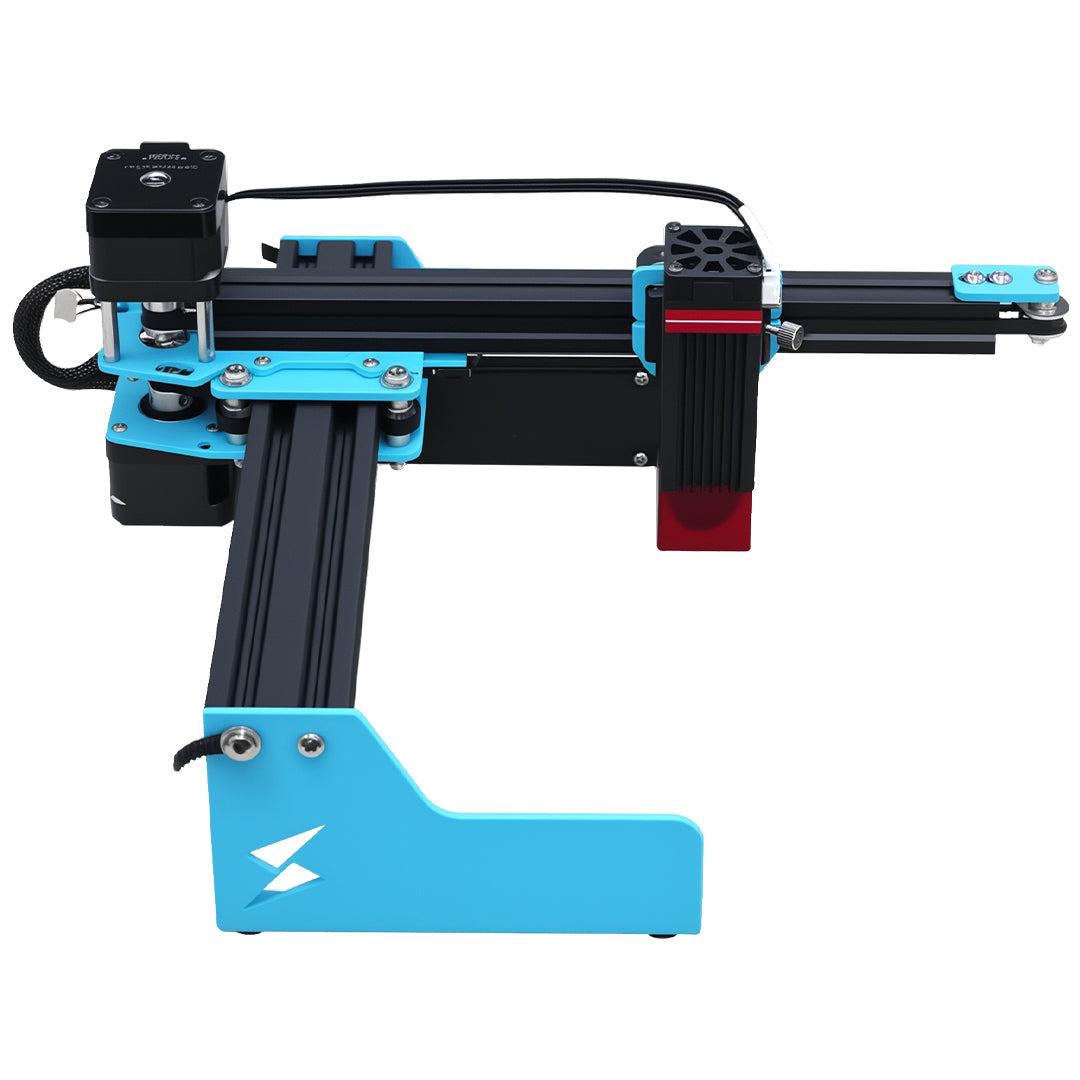
Diode Lasers (like the Tyvok A1 Mini): Lower-power diodes can cut thin acrylic but require patience.
- Key: Multiple passes are essential. Use high power (100%) and a very slow speed (30-60 mm/min). 5-10 passes for 3mm acrylic is common. A high-quality air assist is non-negotiable to prevent melting and fire.
-
Galvo Fiber Lasers (like the Tyvok P2 10W): These excel at marking but can also cut thin acrylic.
- Approach: They use a pulsing technique. You'll need to run many, many passes at a very high frequency and speed to ablate through the material. It's effective for thin sheets (<2mm) and offers incredible precision, but for thick acrylic cutting, CO2 is more efficient.
For Engraving Acrylic (Crisp, Frosty Results)
Engraving requires a different strategy to achieve that perfect white frost.
- General Rule: You want to "frost" the surface, not dig into it. This means lower power and higher speed.
- CO2 & Diode Settings: Start with medium power (30-60%) and high speed (300-600 mm/sec for CO2, max speed for diode). This quickly passes the laser over the surface, fracturing it without excessive melting. For a deeper engraved fill, you can do multiple passes of this setting.
- Galvo Laser Settings: This is where galvo lasers shine. Their high speed is perfect for acrylic engraving. Use a low power setting and a high scan speed to create a stunning, smooth frosted finish in a fraction of the time a diode or CO2 laser would take.
5 Pro Tips to Avoid Melting and Get Perfect Results
- Use Air Assist Relentlessly: This is your #1 tool against melting. A constant stream of compressed air cools the cut zone, blows away molten acrylic, and suppresses flames. Never cut acrylic without it.
- Optimize Your Speed and Power: Remember the mantra: "To cut clean, go fast and hot. To engrave frosty, go fast and cool." Slow speeds cause heat buildup and melting.
- Ensure Proper Focus: An out-of-focus laser spot is larger and less intense, causing more melting and wider kerfs. Check your focus before every critical job.
- Keep It Clean: Residue on the lens or a dirty acrylic surface can absorb laser energy and cause burning. Clean your lens regularly and use acrylic with clean masking.
- Use a Honeycomb or Knife Blade Bed: A solid bed traps heat and reflects laser light back onto the material, causing "burn back" on the underside. A raised honeycomb or blade bed allows debris to fall away and improves airflow.
Inspiring Acrylic Laser Engraving Project Ideas
Now for the fun part! Here’s what you can create:
- Custom Signs & Plaques (The Classic): From modern home decor to professional office signage, laser engraved acrylic signs are timeless. Use cast acrylic in colors like black, red, or blue for incredible white contrast.
- LED Edge-Lit Panels: Engrave a design on the edge of a clear acrylic sheet. When you place an LED strip along the bottom or side, the light travels through the material and illuminates your engraving brilliantly.
- Jewelry & Keychains: Layer different colored acrylics. Cut shapes (like hearts, animals, or logos) from one color and engrave details on another, then glue them together for a beautiful layered effect.
- Puzzle & Model Kits: Acrylic is perfect for intricate, interlocking parts. Design and cut gears, architectural models, or mechanical puzzles. The laser’s precision ensures a perfect fit.
- Decorative Inlays & Coasters: Engrave a deep pocket into a piece of acrylic, then cut an insert from a contrasting color to press-fit into the pocket for a flawless, seamless design.
Frequently Asked Questions
Can I use a blue/black diode laser to cut clear acrylic?
It's very difficult. Clear acrylic is transparent to the common blue/violet diode laser wavelengths (445-455nm), so most of the energy passes right through. You might cut colored or opaque acrylic, but for clear acrylic, a CO2 laser (which emits infrared light absorbed by acrylic) is the right tool for the job.
Why is my engraved acrylic not white, but rough and melted?
This is almost always a speed vs. power issue. You are using too much power and/or moving too slowly, causing the acrylic to melt instead of fracture. Dramatically increase your speed and reduce your power. Do a test grid to find the sweet spot.
How thick of acrylic can my laser cut?
It depends entirely on your laser's power: * 10W Diode (like A1 Mini): Realistically up to 3mm with many passes and perfect air assist. * 40-100W CO2 (like K1): Can easily cut 10-15mm and thicker with multiple passes. * Galvo Fiber (like P2): Best for engraving and cutting very thin sheets (<2mm) with extreme precision.
Is laser cutting acrylic safe? What about fumes?
The process vaporizes acrylic, which releases methyl methacrylate (MMA) fumes. These are irritating and unhealthy. You must use a high-quality fume extractor with active carbon filtration or exhaust the fumes directly outside. Never operate a laser engraver on acrylic without proper ventilation.
Conclusion
Laser working with acrylic opens a world of creative and professional possibilities. The key to success lies in starting with the right material—cast acrylic—and understanding the relationship between speed, power, and airflow to achieve clean cuts and frosty engravings. Whether you're using an entry-level machine like the Tyvok A1 Mini for crafting, a fast galvo like the P2 for marking, or a large-format CO2 like the K1 for big cuts, the principles remain the same. Start with test settings, prioritize ventilation and air assist, and you'll be turning simple sheets of plastic into stunning, polished creations in no time. Now, fire up your laser and start making something amazing.