

Laser Engraving Anodized Aluminum vs Bare Aluminum: What Works Best in 2026?
Meta Description: Confused about laser engraving anodized aluminum vs bare aluminum? Our 2026 guide breaks down the differences, recommended settings, and which works best for your project.

Introduction
Aluminum is one of the most popular metals for laser engraving, used for everything from custom tumblers and nameplates to personalized gifts and industrial parts. But if you're new to laser engraving, you might be wondering: what's the difference between anodized aluminum and bare aluminum, and which one should you choose for your project?
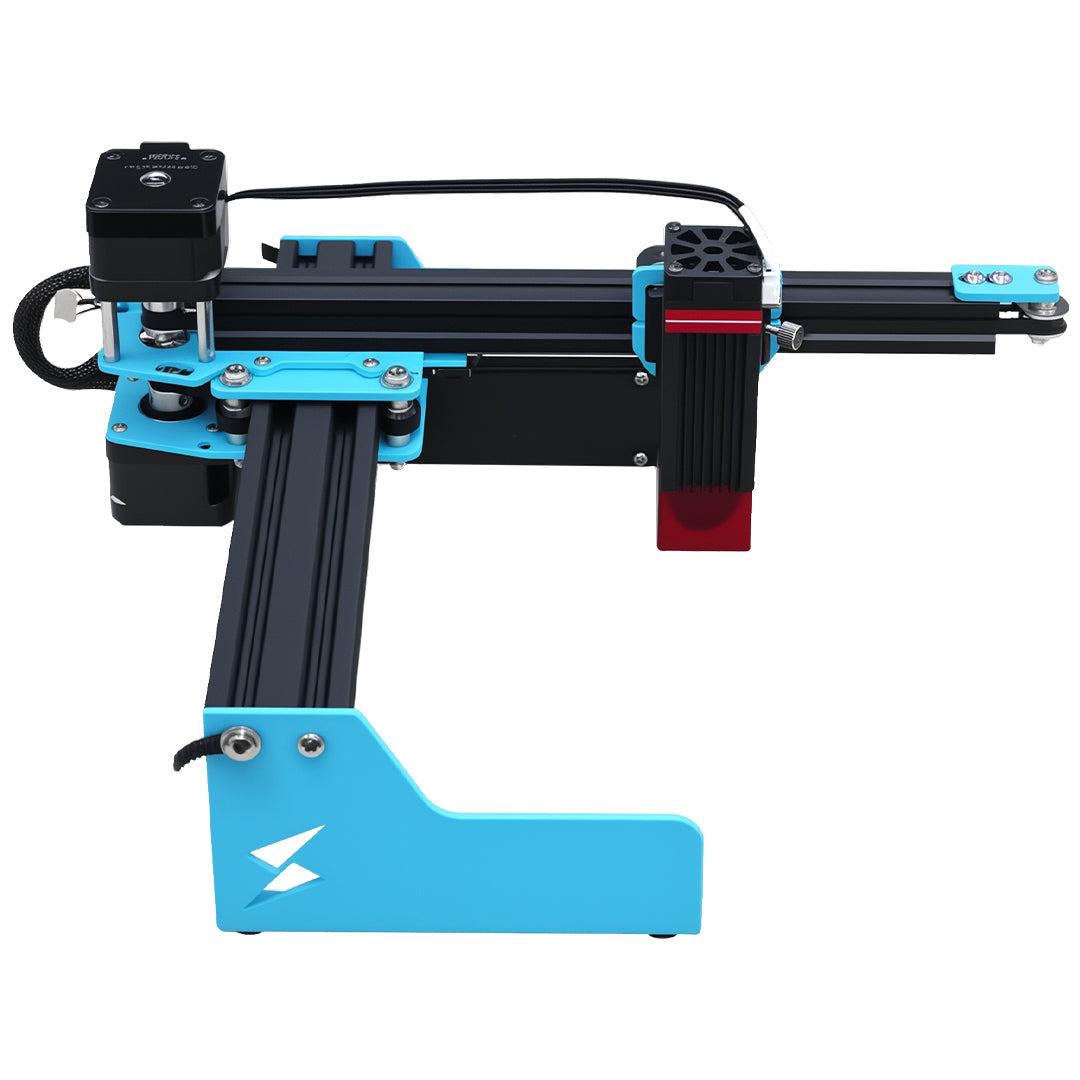
If you're just getting started with metal engraving, the Tyvok A1 Mini 10W diode laser can handle both anodized and bare aluminum engraving perfectly, making it ideal for beginners looking to experiment with metal projects. For users who need faster engraving speeds or portability, the Tyvok P2 galvo laser is also an excellent choice that can handle most aluminum engraving projects with incredible precision.
Both types of aluminum have their place in laser engraving, but they produce very different results and require different settings. The laser interacts differently with the anodized layer versus raw bare aluminum, and understanding these differences is key to getting the results you want.
In this guide, we'll break down everything you need to know about laser engraving anodized aluminum versus bare aluminum, including how each reacts to laser engraving, recommended settings, pros and cons, and which you should choose for your next project.
What is Anodized Aluminum?
Anodized aluminum is bare aluminum that has undergone an electrochemical process called anodizing. This process creates a thick, durable oxide layer on the surface of the aluminum that can be dyed various colors.
Key characteristics of anodized aluminum:
- Has a protective oxide layer that's harder than raw aluminum
- The oxide layer accepts dye, so it's available in many colors
- Extremely corrosion-resistant
- More durable than bare aluminum
- The surface is non-conductive (unlike bare aluminum)
- The finish is uniform and consistent
Anodized aluminum is commonly used for:
- Custom tumblers and water bottles
- Nameplates and tags
- Keychains
- Jewelry
- Business signs
- Industrial parts
What is Bare Aluminum?
Bare aluminum (also called raw or untreated aluminum) is just pure aluminum without any anodized coating or treatment. It's the natural state of aluminum after it's been formed and machined.
Key characteristics of bare aluminum:
- No protective coating or treatment
- Silver-colored metallic surface
- Conductive
- Prone to oxidation and corrosion over time
- Can be polished to a shine or left as-machined
- Generally cheaper than anodized aluminum
Bare aluminum is commonly used for:
- Industrial applications
- Sheet metal projects
- Functional parts
- Prototyping
- Projects where you'll add your own paint or coating
How Does Laser Engraving Work on Each?
The laser interacts very differently with anodized aluminum versus bare aluminum. Understanding this is crucial for getting good results.
Laser Engraving Anodized Aluminum
When you laser engrave anodized aluminum, the laser removes the colored anodized layer to reveal the raw silver aluminum underneath. This creates a high-contrast, permanent marking where the engraved area is silver against the colored background.
The process is:
1. The laser beam vaporizes the thin colored anodized layer
2. The underlying bare aluminum is exposed
3. The contrast between the colored anodized layer and silver aluminum creates your design
4. No material is removed from the aluminum itself – only the anodized coating
This produces clean, crisp, high-contrast results with excellent detail. The engraving is permanent because you're not just marking the surface – you're removing the coating permanently.
Laser Engraving Bare Aluminum
Laser engraving bare aluminum is different because there's no anodized layer to remove. With a diode laser (the most common type for beginners), you can't actually cut or engrave deeply into bare aluminum because it's a reflective metal that reflects most of the laser energy.
What happens instead:
1. The laser heat causes oxidation on the surface of the aluminum
2. This oxidation creates a dark (usually black or dark gray) mark on the silver surface
3. The mark is superficial – no significant material removal occurs
4. Higher power lasers can achieve deeper engraving, but most diode lasers only produce surface marking
The result is a dark mark on the metallic surface, but the contrast is generally lower than with anodized aluminum, and the mark can wear off over time if it's subject to abrasion.
Recommended Settings
Settings can vary depending on your laser power. Here are our recommended settings for the most common 5W-10W diode lasers:
Anodized Aluminum Settings (10W diode laser):
- Engraving: Power 60-80%, Speed 150-200 mm/s
- Passes: 1-2 passes (usually just one pass is enough)
- DPI: 300-500 for good detail
- Focus: Perfect focus is essential for clean results
Notes: You don't need extremely high power because you're just removing the anodized layer, not cutting into the aluminum itself. Too much power can cause the aluminum to melt around the edges, so start on the lower end of the power range and increase if needed.
Bare Aluminum Settings (10W diode laser):
- Engraving: Power 80-100%, Speed 50-100 mm/s
- Passes: 2-3 passes for darker marking
- DPI: 300-500
- Focus: Out-of-focus slightly can help create more heat for darker oxidation
Notes: Bare aluminum reflects a lot of laser energy, so you need higher power and slower speeds to get enough heat for oxidation. Multiple passes will give you a darker mark. Some users find that applying a marking compound before engraving helps create a darker, more permanent mark on bare aluminum.
Pros and Cons: Anodized vs Bare Aluminum
Anodized Aluminum Pros:
- Excellent contrast: The silver engraving against colored background produces very high contrast that's easy to read
- Consistent results: Every time you engrave anodized aluminum, you get predictable, consistent results
- Permanent engraving: The mark can't wear off because you've removed the anodized layer permanently
- Crisp detail: Clean, sharp edges with excellent detail reproduction
- No post-processing: Usually doesn't require any cleaning or additional treatment after engraving
- Corrosion-resistant: The remaining anodized layer still protects the aluminum from corrosion
Anodized Aluminum Cons:
- More expensive: Costs more than bare aluminum due to the anodizing process
- Limited to contrast through color removal: You can only get silver on colored background
- Thick anodized layers can be harder to engrave: Some industrial anodizing is thicker and requires more power
Bare Aluminum Pros:
- Cheaper: Less expensive than anodized aluminum
- More available: Easy to find in any thickness at metal suppliers
- Flexibility: You can paint or coat it yourself after engraving if desired
- Good for industrial applications: Where the anodized layer isn't needed or desired
Bare Aluminum Cons:
- Lower contrast: The dark oxidation mark on silver aluminum has lower contrast than anodized engraving
- Less permanent: The surface mark can wear off with abrasion over time
- Requires more power: Needs higher power and multiple passes for good results
- Prone to corrosion: Without protection, bare aluminum will oxidize over time
- Results can be inconsistent: Different surface finishes (polished vs brushed) produce different results
- Reflection issues: The shiny surface can reflect laser energy, reducing effectiveness
Which Works Best for Different Projects?
The choice between anodized and bare aluminum really comes down to what you're making:
Best for Anodized Aluminum:
1. Custom Tumblers and Water Bottles
Most custom tumblers are made from anodized aluminum, and it produces beautiful, high-contrast personalized engravings that won't wear off from washing.
2. Nameplates and Tags
The high contrast and permanence make anodized aluminum perfect for nameplates, equipment tags, and identification labels that need to last.
3. Personalized Gifts and Jewelry
Colored anodized aluminum allows for beautiful contrast, and the durability means gifts will last for years.
4. Keychains and Accessories
The combination of light weight, durability, and excellent engraving quality makes anodized aluminum ideal for keychains.
Best for Bare Aluminum:
1. Industrial Functional Parts
When you need to mark parts for identification and the anodized layer isn't required, bare aluminum works fine for basic marking.
2. Prototyping
For testing designs before committing to expensive anodized aluminum, bare aluminum is cheaper and easier to source.
3. Projects Where You'll Add Your Own Finish
If you plan to paint, powder coat, or otherwise finish the aluminum after engraving, starting with bare aluminum makes sense.
4. Thicker Sheet Metal Projects
For larger projects where you need to cut as well as engrave, bare aluminum sheet is generally easier to source and more affordable.
Tips for Getting Better Results
Whether you're working with anodized or bare aluminum, these tips will help you get better engraving results:
For Anodized Aluminum:
- Clean the surface first: Wipe the aluminum with isopropyl alcohol to remove any oils or residue before engraving. This helps prevent uneven engraving.
- Use proper focus: Anodized aluminum requires sharp focus to cleanly remove just the anodized layer. A slightly out-of-focus laser can leave traces of color behind.
- Don't use too much power: Excessive power can cause the aluminum edge to melt and create a burr. Start with lower power and increase if needed.
- One pass is usually enough: Most of the time, a single pass is all you need to completely remove the anodized layer. Multiple passes can unnecessarily widen your lines.
For Bare Aluminum:
- Use marking compound: Applying a heat-activated marking compound like Cermark or Thermark before engraving will give you much darker, more permanent marks.
- Multiple passes: Several lighter passes will often give you a darker mark than one heavy pass that reflects too much energy.
- Slow down: Slower speeds give the laser more time to heat the surface and create darker oxidation.
- Slightly defocus: Some users find that slightly defocusing the laser (moving the workpiece 1-2mm closer) spreads the energy slightly and helps create more heat for darker marking.
- Clean after engraving: Wipe the surface with a damp cloth after engraving to remove any oxidation residue.
Common Beginner Mistakes to Avoid
- Using the wrong settings for the material: Anodized aluminum doesn't need as much power as bare aluminum. Using full power on anodized aluminum will just cause unnecessary melting.
- Poor focus: Both types of aluminum need proper focus, especially anodized where you're removing a thin layer.
- Skipping cleaning: Oils and finger oils on the surface can cause inconsistent engraving. Always clean before you start.
- Expecting too much from a diode laser on bare aluminum: Diode lasers can mark bare aluminum, but they can't do deep engraving like fiber lasers can. Manage your expectations.
- Not testing first: Always do a small test engraving on a scrap piece first, especially when working with a new batch of material.
Final Thoughts
So which one works best for laser engraving? For most beginners and most projects, anodized aluminum is the clear winner. It produces higher contrast, more consistent, more permanent results with less power and fewer passes. The colored background with silver engraving looks professional and is easy to read.
That said, bare aluminum still has its place, especially for industrial applications, prototyping, and projects where you're going to add your own finish after engraving. With the right technique (especially using marking compound), you can get good results on bare aluminum with a diode laser.
If you're just getting started with aluminum engraving, we recommend starting with colored anodized aluminum blanks. They're readily available from laser supply stores, produce amazing results with minimal effort, and will give you the confidence to experiment with more challenging projects.
Ready to start engraving aluminum? The Tyvok A1 Mini 10W diode laser has more than enough power to handle both anodized and bare aluminum engraving, making it perfect for beginners looking to create custom aluminum projects. If you're looking for a portable galvo laser that can handle fast aluminum engraving, check out the Tyvok P2.
For more information on getting started with laser engraving, check out our Beginner's Guide to Choosing Materials for Tyvok A1 Mini to learn about other materials you can engrave.