

AUTHOR: Tyvok Team
TAGS: laser engraver maintenance, how to clean laser lens, Tyvok A1 Mini maintenance, extend laser engraver life
BODY_HTML:

How to Clean and Maintain Your Entry-Level Laser Engraver: 7 Tips to Extend Lifespan
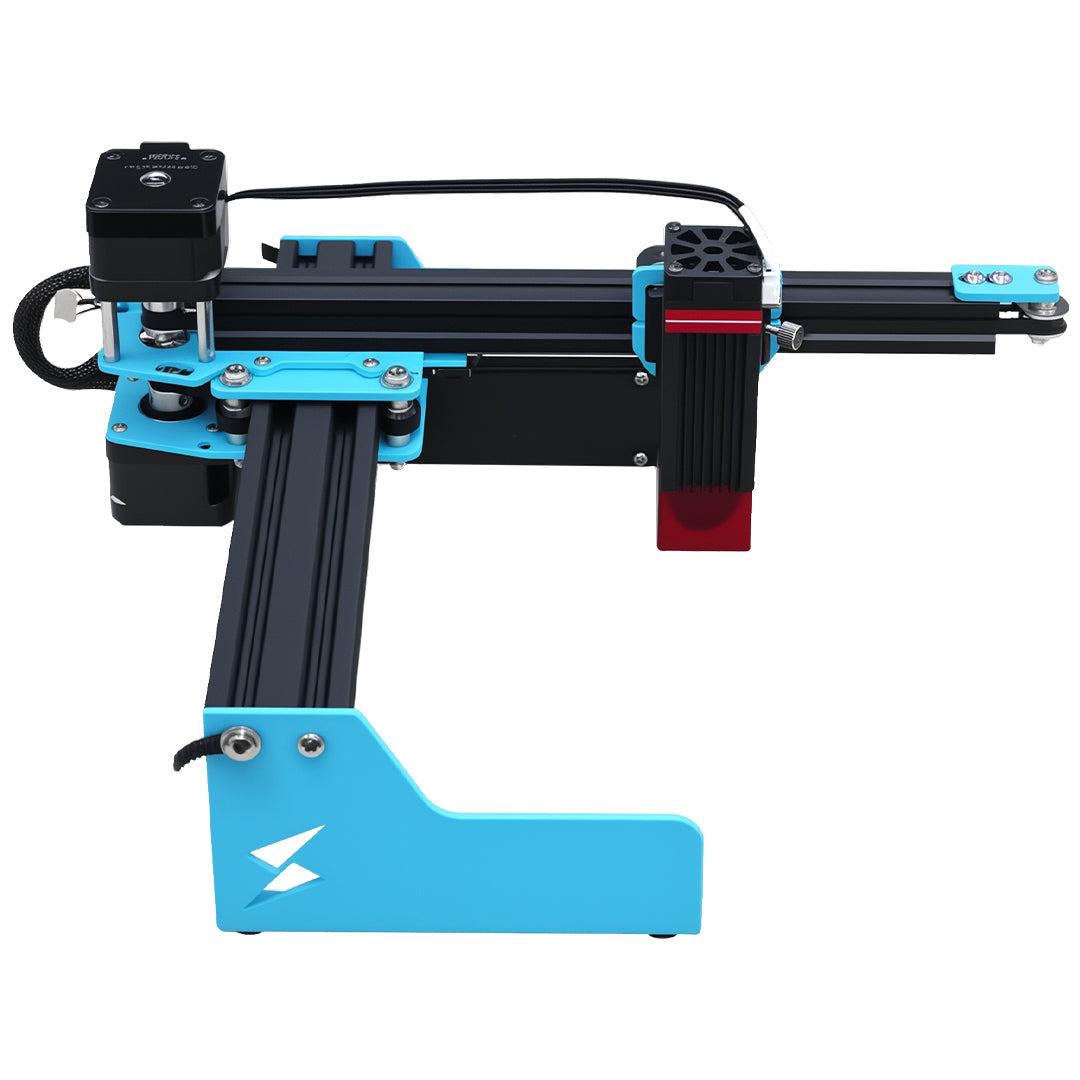
Your laser engraver is an investment, and with proper maintenance, it can give you years of reliable service. Many beginners don't realize that simple regular maintenance prevents most common problems and keeps your engravings consistent and high-quality. Whether you own a Tyvok A1 Mini, a Tyvok P2 Galvo, or another brand of entry-level machine, these 7 maintenance tips will help you get the most out of your laser.
You don't need any special tools or technical expertise – just a few minutes of regular maintenance is all it takes to keep your machine running smoothly.
Why Maintenance Matters
When you use your laser engraver, smoke and debris from the materials you engrave build up over time. This debris can:
- Reduce the effective power of your laser by coating the lens
- Cause inconsistent engraving depth
- Create blurry spots in your work
- Damage moving parts over time
- Even create fire hazards if too much debris builds up
The good news is that preventing these problems is easy with a simple regular maintenance routine. Let's dive into the most important maintenance tasks.
1. Clean Your Lens Regularly
The laser lens is the most critical part to keep clean. Smoke residue from engraving coats the lens over time, which reduces the laser power that reaches your material. A dirty lens is one of the most common causes of poor engraving results that beginners experience.
How often should you clean it?
- Light use (a few hours per week): Clean once every 2-4 weeks
- Heavy use (daily production): Clean once a week
- When you notice inconsistent results: Clean immediately
How to clean your laser lens:
- Turn off the machine and unplug it. Wait for it to cool down completely.
- Remove the lens from the module (refer to your machine's manual for specific instructions).
- Use compressed air to blow away any loose dust and debris. Hold the can upright to avoid spraying liquid.
- Apply a small amount of lens cleaning fluid or isopropyl alcohol (90% or higher) to a lint-free microfiber cloth.
- Gently wipe the lens in a circular motion from the center outward.
- Use a dry part of the cloth to remove any remaining moisture.
- Reinstall the lens carefully, making sure not to touch the glass with your fingers.
Important tips:
- Don't use paper towels – they can scratch the lens
- Don't press too hard – the lens is delicate
- Don't use regular glass cleaner – it can leave residues
- Never touch the lens with your fingers – the oils from your skin can damage the coating
2. Keep the Honeycomb Plate Clean
If you're using a honeycomb engraving plate like the Tyvok aluminum honeycomb plate, it needs regular cleaning too. Burned debris and smoke residue build up in the honeycomb cells over time, which reduces airflow and can cause smoke staining on your projects.
How to clean your honeycomb plate:
- Remove the plate from your machine
- Use a shop vacuum or brush to remove loose debris from the cells
- For heavy buildup, you can use a heat gun or torch (carefully!) to burn off the residue – do this outside or in a well-ventilated area
- Let it cool, then brush out the ash
- For stubborn residue, you can soak the plate in warm soapy water, then scrub and rinse
- Make sure it's completely dry before putting it back in your machine
How often: Clean your honeycomb plate once every 2-3 months with heavy use, or once every 6 months with light use.
3. Lubricate Moving Parts
On mechanical machines like traditional diode lasers (including the Tyvok A1 Mini), the linear rails and belts need occasional lubrication to keep everything moving smoothly. This reduces wear and prevents your machine from getting slower or less accurate over time.
What to use: Use a dry lubricant like PTFE (Teflon) spray or a light machine oil. Avoid heavy grease that attracts dust and debris.
How to do it:
- Turn off and unplug the machine
- Wipe the rails clean with a lint-free cloth to remove old lubricant and debris
- Apply a thin coat of lubricant to the rails
- Move the laser module back and forth several times to spread the lubricant
- Wipe off any excess
How often: Every 3-6 months depending on use. If you notice the movement getting rougher or louder, it's time to lubricate.
Galvo lasers like the Tyvok P2 don't have moving rails, so you don't need to do this maintenance with them – one of the advantages of galvo technology!
4. Check and Clean Your Ventilation System
Good ventilation isn't just for your safety – it also gives you cleaner, better engraving results. Over time, your ventilation fan and duct can get coated with smoke residue, which reduces airflow.
Maintenance steps:
- Clean or replace the filter if your system has one
- Wipe out the inside of the duct with a damp cloth (make sure power is off)
- Check that the fan is running smoothly and isn't making unusual noises
- Make sure there's nothing blocking the intake or exhaust
How often: Check your ventilation system once a month, and clean it when you notice reduced airflow.
Remember: proper ventilation is essential for your safety when laser engraving. Never run your machine without good ventilation.
5. Check Belt Tension (For Diode Machines)
On belt-driven diode lasers, belts can stretch slightly over time. Loose belts can cause inaccuracies in your engravings because the laser doesn't move exactly where it should.
How to check belt tension: Press on the belt with your finger – it should have some give, but shouldn't feel loose or saggy. If it feels very loose, it's probably time to tighten it.
How often: Check belt tension once every 6 months. Most quality machines like the Tyvok A1 Mini come with properly tensioned belts from the factory, and they don't need frequent adjustment.
6. Keep the Machine Clean Inside
Dust and debris accumulate inside the machine over time. A quick clean on a regular basis prevents problems:
- Vacuum out any debris from the bottom of the machine
- Wipe down the frame with a dry or slightly damp cloth
- Check for any loose screws or bolts and tighten them if needed
- Make sure all the wiring looks good and there are no frayed wires
This is also a good time to check for any signs of wear or potential problems before they become serious issues.
How often: Once every 1-3 months depending on how much you use your machine.
7. Check and Adjust Focus
Even if your machine doesn't get moved around much, it's good to check your focal distance periodically. Small changes can happen over time, and keeping the correct focus ensures you get the sharpest possible engravings.
How to check focus:
- Put a flat piece of scrap material on your work plate
- Do a small test engraving of some fine text
- Check if it's sharp and clear
- If it's blurry, adjust your focus and test again
If you use a manual focus machine like most entry-level models, it's good to check this every few months. If you notice blurriness in your engravings, this should be one of the first things you check.
Maintenance Schedule by Frequency
To help you stay on top of everything, here's a simple maintenance schedule you can follow:
Before Every Use
- Visually check that everything looks normal
- Make sure there are no debris left on the work plate
- Check that ventilation is working
Weekly (Heavy Use)
- Clean the laser lens
- Wipe down the outside of the machine
Monthly
- Check ventilation system
- Vacuum out debris from inside the machine
- Check for any loose parts
Every 3-6 Months
- Lubricate linear rails (diode machines only)
- Clean honeycomb plate
- Check belt tension (diode machines only)
- Check and adjust focus
Every 6-12 Months
- Deep clean the entire machine
- Check all electrical connections
- Inspect for any signs of wear
This looks like a lot, but most of these tasks only take a few minutes. Once you get into the habit, it becomes second nature.
Common Maintenance Mistakes to Avoid
Here are some mistakes we see beginners make that you should avoid:
1. Using the wrong cleaning materials
Paper towels, regular glass cleaner, and low-percentage alcohol can damage your lens. Stick to lint-free microfiber cloths and 90%+ isopropyl alcohol.
2. Pressing too hard on the lens
Laser lenses are delicate. You don't need to scrub hard – gentle wiping is all it takes.
3. Forgetting about ventilation
Your ventilation system needs maintenance too. Don't let it get clogged with residue.
4. Over-lubricating rails
More lubricant isn't better. A thin even coat is all you need. Too much lubricant attracts dust and can actually cause more wear.
5. Ignoring unusual noises
If your machine starts making unusual noises, don't ignore it. Investigate early and fix small problems before they become big expensive problems.
Frequently Asked Questions
How long should an entry-level laser engraver last?
With proper maintenance, a quality machine like the Tyvok A1 Mini should last 5-10 years or more with regular use. The laser diode typically has a lifespan of 10,000+ hours, which is many years for most users.
My engraving looks darker or less deep than it used to – what's wrong?
The first thing to check is a dirty lens. A dirty lens reduces the power that reaches your material. Clean the lens and try again – this fixes 90% of these cases.
Do I need to replace the lens periodically?
Not unless it gets scratched or damaged. If you keep it clean and handle it carefully, your original lens should last for years.
Does the Tyvok P2 Galvo need less maintenance than a diode?
Yes, because it has fewer moving mechanical parts. You still need to clean the lens regularly, but you don't need to lubricate rails or check belt tension.
Conclusion
Proper maintenance doesn't take much time, but it makes a huge difference in how long your machine lasts and how consistent your results are. By following these 7 simple tips, you can keep your entry-level laser engraver running like new for years and prevent most common problems before they happen.
Whether you're a hobbyist just getting started or you're running a small business with your laser, a well-maintained machine gives you consistent, high-quality results project after project. Take a few minutes every month for maintenance – your laser will thank you with years of reliable service.
If you're just getting started with a new machine, check out our Tyvok A1 Mini 10W for an affordable quality diode laser that's designed to last with proper maintenance.