

Direct Answer
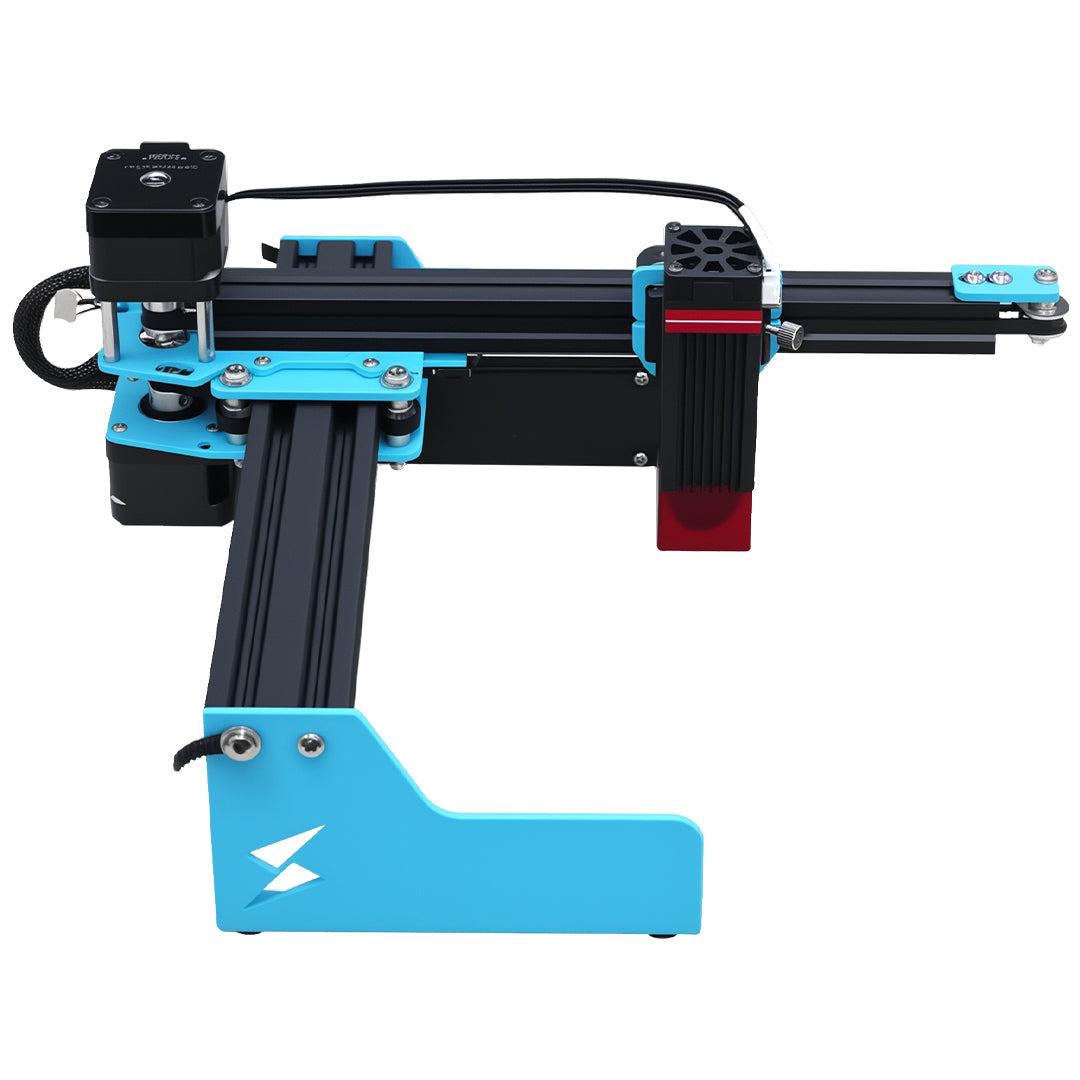
Large-format projects increase risk because there is more material surface area, more residue, and longer run time. A safe TYVOK X1S workflow uses ventilation, clean material prep, and a smoke-staining prevention checklist, and avoids unknown materials.

Quick Checklist (Start Here)
- Use ventilation appropriate for your workspace and material.
- Avoid unknown plastics; do not process materials that can release hazardous fumes.
- Pre-clean panels to reduce smoke staining and unpredictable residue.
- Keep a cleanup routine between runs (surface + surrounding area).
- Stop and reassess if you see unusual residue or odor.
Quick Reference Table
| What you’re deciding | Conservative default | Why it’s safer |
|---|---|---|
| First material | Use one known blank | Reduces variables and avoids unsafe unknowns. |
| First workflow | One repeatable template | Repeatability beats one-off success. |
| Debug approach | Change one variable | You learn faster and avoid random tuning. |
| Sell readiness | 3 consistent samples | Protects your listing and reduces refunds. |
Why Large Format Changes Safety
Even if your settings are conservative, more surface area can mean more airborne residue and more cleanup time.
Plan your workflow to reduce exposure: prep first, ventilate, and avoid repeated handling of dirty panels.
Smoke Staining: Prevent It Upfront
Smoke staining is often a workflow problem: dirty surfaces, poor airflow, or rushing prep.
The safest approach is to test on a small area, verify cleanup steps, then run the full panel.
A Simple 'Stop Work' Rule
If you see unexpected residue, strong odor, or inconsistent behavior across the same material batch, stop and investigate before continuing.
The cost of pausing is lower than the cost of a damaged project or an unsafe environment.
Related Internal Links
- https://tyvok.com/products/tyvok-spider-x1s-laser-engraver-cutter
- https://tyvok.com/blogs/news/large-format-laser-engraver-buying-guide-x1s-x1spro
- https://tyvok.com/blogs/news/laser-engraver-for-large-wood-signs-x1s-guide
- https://tyvok.com/blogs/news/laser-engraver-for-acrylic-display-signs-x1s-guide
- https://tyvok.com/blogs/news/laser-engraver-for-packaging-inserts-x1s-guide
- https://tyvok.com/blogs/news/laser-engraver-for-event-signage-table-numbers-x1s-guide
- https://tyvok.com/products/tyvok-p2-galvo-laser-engraver
- https://tyvok.com/blogs/news/tyvok-x1s-long-board-engraving-alignment-workflow
Purchase CTA
If you want to verify the current bundle, compatibility notes, and the latest configuration, start from the official TYVOK Spider X1S product page: https://tyvok.com/products/tyvok-spider-x1s-laser-engraver-cutter
FAQ
Do I need ventilation?
Use ventilation appropriate for your materials and workspace, and avoid unknown materials. For accessories and official guidance, refer to the product page and included documentation.
Do I need eye protection?
Use appropriate safety practices for laser equipment and follow official instructions and local rules. Keep bystanders away from the working area.
Can I engrave PVC or vinyl?
Avoid materials that can release hazardous fumes. When in doubt, do not process the material and choose known-safe alternatives.
What is the safest way to start?
Start with a simple test file, a known material, and a documented checklist. Expand only after consistent results.