

What Size Laser Engraver Do You Actually Need in 2026?
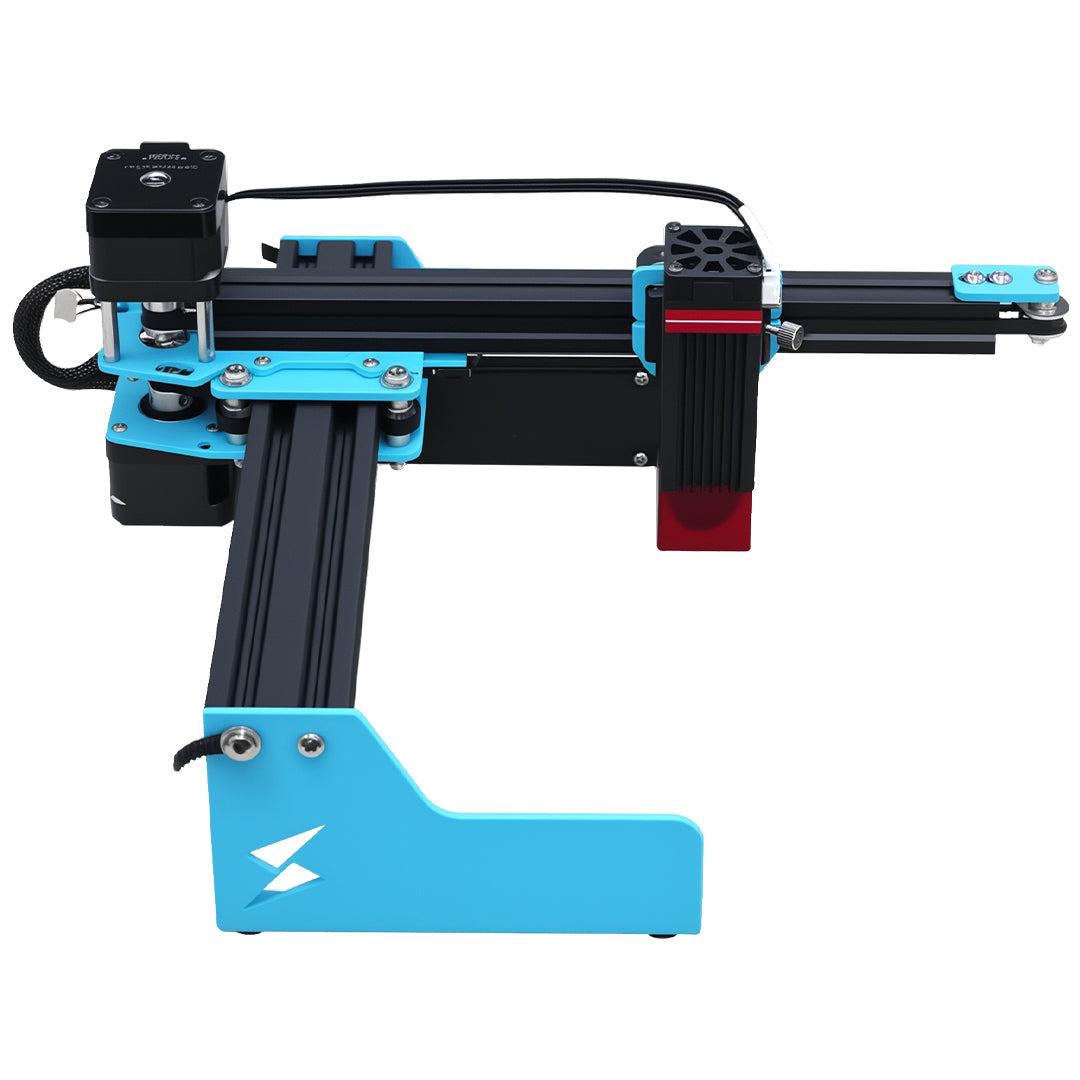
When you're looking for your first laser engraver, one of the first decisions you'll face is: what size do you actually need? Laser engravers come in all sizes from tiny 100x100mm mini machines up to huge 1000x1000mm industrial work areas.

Bigger sounds better, right? But bigger also means more expensive, takes up more space, and is overkill for most beginners. So what size do you really need?
After testing dozens of machines, I can tell you — most beginners don't need nearly as big as you think. Let me break it down by use case.
Laser Engraver Sizes: The Common Options
First, let's look at the most common working area sizes you'll see:
Size Class Typical Dimensions Common Price Range
Mini / Compact 100×100mm – 150×150mm $100 – $200
Entry-Level Mid 300×300mm – 400×400mm $200 – $500
Full-Size 500×500mm – 600×600mm $500 – $1500
Large Industrial 1000×1000mm+ $2000+
Most people reading this are looking at the first two categories — mini or mid-size. Let's talk about what each size is actually good for.
What Will You Actually Make?
The right size depends entirely on what projects you plan to do. Let me walk you through the most common scenarios.
1. If You're a Beginner Just Starting Out
If you're new to laser engraving and just want to try it out, starting with a mini machine (100x100mm to 150x150mm) is perfect.
What you can make on a 100-150mm machine: - ✅ Keychains and pet tags
-
✅ Jewelry and earrings
-
✅ Phone case engraving
-
✅ Wooden coasters (up to 4 inch)
-
✅ Custom leather gifts
-
✅ Anodized aluminum bottles and tumblers (small ones)
-
✅ Rubber stamps
-
✅ Small signs up to 4-5 inches
That covers 90% of what most beginners actually want to make. I know it sounds small, but think about it — when was the last time you needed to engrave something bigger than 6 inches? Most small business owners starting out are making small items anyway.
Price: You can get a quality 100x100mm galvo like the Tyvok P2 for under $200 (10W). That's a fraction of the cost of a big machine. Perfect for testing the waters without risking a lot of money.
2. If You Make Small to Medium Projects
If you already know you love laser engraving and you want to make bigger things like cutting boards, larger signs, or guitar bodies, you'll want something in the 300×300mm to 400×400mm range.
What you can make on a 300-400mm machine: - ✅ Everything the mini can do (just as well)
-
✅ 8-12 inch cutting boards
-
✅ Larger wooden signs
-
✅ Guitars and ukuleles
-
✅ Multiple small items in one go (batch production)
-
✅ 12x12 inch plywood sheets
This is the sweet spot for most small businesses that are past the beginner stage. You get more space for bigger projects, but it's still not taking over your entire workshop.
Price: Good entry-level machines in this size range are typically $300-$600.
3. If You're a Commercial User Doing Large Projects
If you're already running a business that regularly makes large items like furniture, cabinetry, large signage, or plywood furniture parts, then yes, you need a larger 500×500mm or bigger.
But let's be honest — 95% of beginners and even most small business owners don't need this size starting out. You can always upgrade later when you're consistently turning away work because it's too big.
Why Bigger Isn't Always Better
I see a lot of beginners make the mistake of buying too big too soon because they think "I might need the extra space. Here's why that's a mistake:
1. Bigger Costs More Money
A 400×400mm machine costs 2-3x what a 100×100mm machine costs. That's a lot of extra money for space you probably won't use in your first year.
You're much better off starting smaller, learning the ropes, making some money, and then upgrading when you actually need the extra space.
2. Bigger Takes Up More Space
Do you have room for a 80cm × 80cm machine on your desk? Probably not. Mini machines fit on a standard desk next to your laptop. Big machines need their own dedicated workspace. If you're working from home in a small apartment or spare bedroom, space is probably at a premium.
3. Bigger Isn't Faster
Wait, what? Doesn't a bigger working area mean you can do more projects faster? Actually, no — for small projects, the machine still has to move the laser head the same distance. And if you're only doing small projects on a big machine, you're not using the extra space anyway.
4. You Probably Won't Outgrow It As Fast As You Think
Most people start thinking "I'll quickly outgrow a small machine." In reality, most beginners take months or years to get to the point where they actually need a bigger working area. By that time, you'll know exactly what features you need in your next machine anyway.
What About Batch Production?
A common question: "If I want to make multiple small items, do I need a bigger machine so I can cut them all in one go?"
It's true that a bigger working area lets you set up multiple items and run them overnight. That's a productivity benefit. But: - If you're just starting out, you probably aren't doing volume production anyway
-
You can still do multiple batches on a small machine between projects
-
When you get to volume, you can upgrade
If batch production is important to you from day one and you have the budget, sure, go bigger. But if you're on a budget, don't let the batch production argument push you into buying bigger than you need.
Recommendations by Use Case
Let me give you my straightforward recommendation based on what you're doing:
If You're a Complete Beginner on a Budget:
Get a 100×100mm – 150×150mm machine
You can get started for under $200, it fits on your desk, and it does 90% of what beginners actually want to do. If you decide you love it, you can upgrade later. If you decide it's not for you, you haven't lost a ton of money.
If You're an Experienced Hobbyist:
Get a 300×300mm – 400×400mm machine
You know you're going to stick with it, you want to do bigger projects, and you have the space. This is the most versatile size for most people.
If You're a Commercial Business Doing Larger Projects:
Get 500×500mm or bigger
You're already doing consistent business, you need the space for larger products, and you know what you're doing.
How Important Is Working Area vs Power?
One last thing to think about: when you're choosing between a bigger machine with less power, or a smaller machine with more power — go with more power.
Power limits what materials you can work with. Working area just limits how big your projects can be. It's much more frustrating to have a big machine that can't cut through the materials you want, than it is to have a small powerful machine that does small projects well.
For example, I'd rather have a 10W 100×100mm galvo than a 5W 400×400mm diode. You can do more projects better with more power, even if they're smaller projects.
Final Thoughts
At the end of the day, most beginners don't need a huge working area. Start small, learn the craft, make some money, and upgrade when you actually need the extra space.
If you're on a budget, that 100×100mm to 150×150mm size is perfect starting out. There's nothing wrong with starting small and growing into bigger machines as your business grows.
The most important thing is to just get started — you don't need the biggest and best machine to make great work.
👉 The best machine is the one you actually get and start using today.
If you're looking for a quality compact 100×100mm 10W galvo that's perfect for beginners, check out the [Tyvok P2 — it's under $200 and does everything most beginners need.
Published: March 21, 2026 by Alex Maker
This article contains affiliate links. We may earn a small commission at no extra cost to you if you purchase through our links.