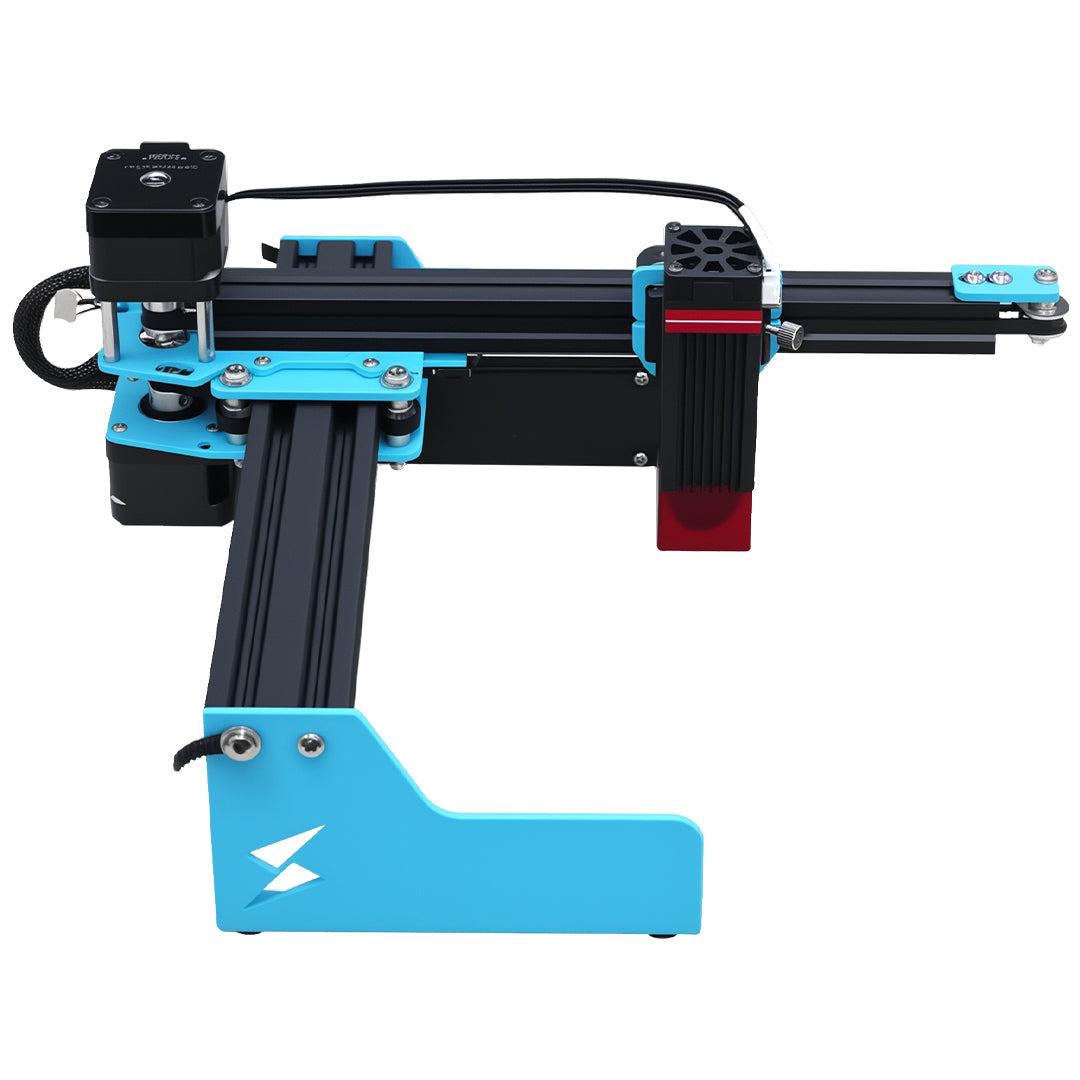


First Leather Project: Record Tanning and Thickness
Do not laser an offcut merely because it is sold as “leather.” Before a first A1 Mini leather project, obtain written supplier identification for the base material, tanning method, finish, backing, adhesive, and thickness. If the composition is unknown, hold the job. Appearance and smell are not reliable safety tests.

The minimum material record
Ask for a current Safety Data Sheet (SDS) when one exists and a composition declaration for the finished sheet. An SDS may focus on workplace hazards rather than reveal every proprietary ingredient, so it is evidence—not automatic approval. Compare it with current TYVOK material guidance and local ventilation/fire requirements.
| Record field | Accept only when documented | Reject or hold |
|---|---|---|
| Base | Genuine leather, supplier identified | “Leather-like,” unknown composite |
| Tanning | Vegetable-tanned and documented | Chrome-tanned or tanning unknown |
| Surface | Finish chemistry disclosed | PVC/vinyl, halogenated, unknown coating |
| Backing/adhesive | Full composition disclosed and allowed | Unknown glue, foam, synthetic backing |
| Thickness | Measured at several points | Unmeasured or highly variable stock |
Exclude all chrome-tanned leather, PVC/vinyl, halogen-containing material, and any unknown coating, backing, adhesive, or composition. A “laser leather” marketplace label is not a substitute for documentation. Do not process synthetic leather unless its complete composition is identified and explicitly allowed by current manufacturer guidance.
Make a small, controlled proof
- Save the SDS/composition record with supplier, SKU, lot, and purchase date.
- Measure thickness at three points and record the range.
- Cut a small offcut from the same lot; include fine text and a filled patch.
- Follow current focus, framing, ventilation, guarding, and fire-safety instructions.
- Attend the complete run. Stop for flame, unusual smoke or odor, residue, or unstable behavior.
- Record the result; do not generalize it to another color, finish, supplier, or lot.
A pass means only that the identified sample produced an acceptable result under the recorded conditions. It does not certify the material as harmless or prove that a deeper mark is desirable. Soot, edge darkening, and loss of fine detail should be judged against the intended item.
Confirm the current A1 Mini configuration and material guidance on the official product page. Compact size does not remove ventilation or supervision requirements. For a separate photo workflow, see the three-tone proof guide. Record the approved leather sample alongside the first-week acceptance baseline, rather than treating it as proof for every future lot.
Store the supplier documents with the digital job record rather than relying on a product listing that may later change. If the supplier changes the SKU, color, coating, or manufacturing location, treat the replacement as a new material and review it again before proofing.
Buyer FAQs
Is vegetable-tanned leather automatically safe?
No. The tanning description does not identify dyes, finishes, backing, or adhesive. Review the complete finished-material record.
Can I identify chrome tanning by color or smell?
No. Use supplier documentation. If tanning chemistry is unknown, do not laser it.
Can I test unknown faux leather on a tiny corner?
No. A tiny exposure can still release hazardous decomposition products. Unknown, PVC, vinyl, and halogenated materials are exclusions.