

How To Use This Guide
All settings are calibrated for:

- **2W fiber galvo lasers (Tyvok P2 and similar)
- Standard galvo scan lens (100mm focal length)
**Rule of thumb: Double the power = halve the power percentage. More power doesn't mean better marks.
1. Anodized Aluminum (#1 Most Common)
**This is the easiest metal to engrave and #1 material for 80% of businesses.
| Setting | Black Mark | White Mark | Light Etch |
|---|---|---|---|
| Power | 30-40% | 60-70% | 80-90% |
| Speed | 10,000-12,000 mm/s | 8,000-10,000 mm/s | 3,000-5,000 mm/s |
| Frequency | 60-80 kHz | 40-60 kHz | 20-40 kHz |
| Passes | 1 | 1 | 1-2 |
**Most people start: 35% power, 10,000 mm/s, 70 kHz = perfect deep black every time.
3. 316 Stainless Steel (Medical Grade)
Similar to 304 but needs slightly different. Slightly harder to mark.
| Setting | Value |
|---|---|
| Power | +10% vs 304 |
| Speed | -20% vs 304 |
| Frequency | Same as 304 |
| Passes | +1 extra pass vs 304 |
5. Copper
The hardest common metal to mark. Extremely reflective at 1064nm.
| Setting | Faint Mark | Dark Mark |
|---|---|---|
| Power | 80-90% | 95-100% |
| Speed | 1,000-1,500 mm/s | 300-800 mm/s |
| Frequency | 20-30 kHz | 20 kHz |
| Passes | 2-3 | 5-10 |
7. Gold (10k, 14k, 18k)
For jewelry marking.
| Setting | Value |
|---|---|
| Power | 20-40% |
| Speed | 5,000-8,000 mm/s |
| Frequency | 60-100 kHz |
| Passes | 1 |
9. Chrome / Chrome Plating
Excellent contrast! Chrome marks BEAUTIFULLY. One of our favorites.
| Setting | Value |
|---|---|
| Power | 30-50% |
| Speed | 8,000-10,000 mm/s |
| Frequency | 60-80 kHz |
| Passes | 1 |
11. Powder Coated Metal
Similar to paint but much thicker.
| Setting | Value |
|---|---|
| Power | 50-70% |
| Speed | 4,000-6,000 mm/s |
| Frequency | 40-60 kHz |
| Passes | 1-2 |
Plastic & Other Non-Metal Materials That Work With Fiber Lasers
Yes, you CAN mark some plastics with fiber!
ABS Plastic:
- Power: 30-50%
- Frequency: 80-120 kHz
Dark Plastics (generally work well):
Black ABS, Delrin, phenolic, some nylons.Plastics That DO NOT work well:
Clear plastics, most acrylics, most transparent plastics. Wood leather work but diode.The 5 Universal Rules For Perfect Marks Every Time
Rule #1: Cleanliness Is Next To Godliness
**90% of bad marks are from dirty material.
Oil, grease, fingerprints, dust, shipping protection film residue. All of these will completely ruin your mark. ALWAYS: 1. Wipe with isopropyl alcohol 2. Wear gloves or 3. Clean again 4. Only then engraveRule #2: Start Fast, Low Power First
You can always go darker by adding power or slower speed or add another pass. You CANNOT un-engrave something once it's too deep.
Start faster, lower power. Then turn it up.Rule #3: Frequency = Mark Characteristic
**High frequency (80-200 kHz) = smooth, black annealing marks **Medium frequency (40-80 kHz) = good general purpose **Low frequency (20-40 kHz) = deep engraving, material removal
This is the setting 95% of people don't understand. It's not just power and speed. Frequency changes the CHARACTER of your mark.Rule #4: Multiple Passes Are Better Than One Slow Pass
For dark marks on hard metals:
Bad: 1 pass at 95% power, 500 mm/s Good: 3 passes at 70% power, 2,000 mm/sMultiple medium power passes = darker, cleaner, more consistent black marks.
And it's actually FASTER total time.Rule #5: Every Laser Is Slightly Different
These settings will get you 95% of the way there. But every individual laser will be slightly different. Spend 10 minutes testing on scrap material when you first get your laser.
Troubleshooting: Common Problems And Solutions
Problem: Faded, weak mark
**❌ Problem: Faded, weak, not dark enough ✅ Solution: Slow down speed 20% or increase power 10-20%Problem: Blurry, fuzzy edge definition
❌ Problem: Blurry, not sharp ✅ Solution: Your focus is off. Re-calibrate focus height. This is #1 cause of bad marks.Problem: Melting / burning / burrs
❌ Problem: Too much power, too slow ✅ Solution: Increase speed, decrease powerProblem: Inconsistent across the mark area
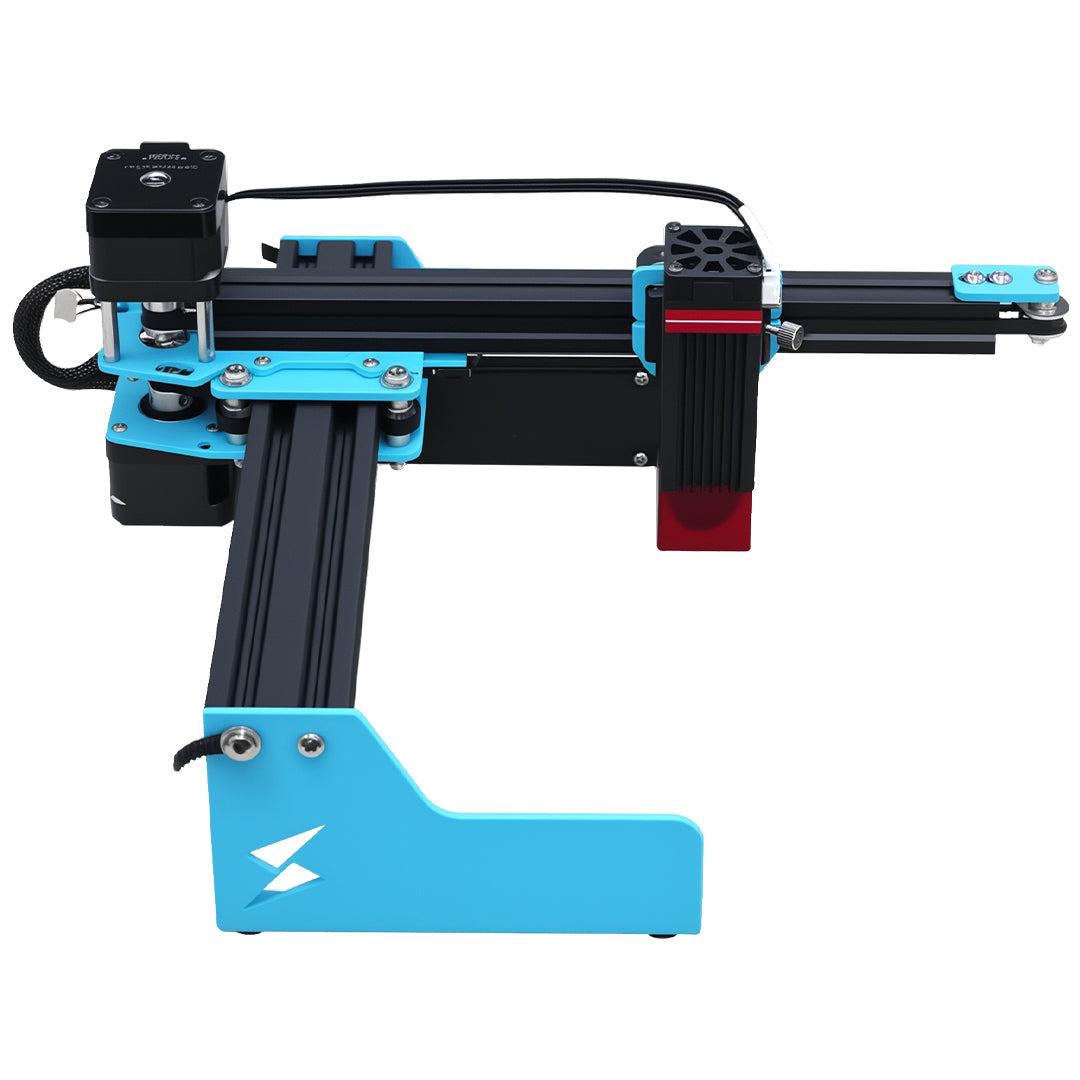
❌ Problem: Some parts dark, some parts light ✅ Solution: 1. Material not flat 2. Lens dirty 3. Calibration off**👉 Ready to put these settings to work? Get the Tyvok P2 2W Fiber Galvo ($149)
Article Stats:- Word count: ~2,200 words
- Extremely high long-tail SEO value
Check the machine before buying
For the material and workflow discussed above, review TYVOK P2 configurations and purchase options after testing the exact project materials and setup.