

Do not approve a cork phone case for laser engraving from the word “cork” alone. A thin cork outer layer may sit over adhesive, fabric, plastic or a molded backing. The complete construction must be identified and confirmed suitable for the intended laser process before a P2 sample is considered. Remove the phone entirely; it is never part of an engraving test.

The LaserPecker cork guide includes phone covers among possible cork projects. The important purchasing distinction is between a documented cork blank and a finished composite accessory. A general project suggestion is not approval of every case sold under the same name.
Ask for the cross-section, not just a surface photograph
A seller may know the visible cork species but not the chemistry of the adhesive or backing. Ask whether the manufacturer has approved laser marking of this exact finished case, including the selected laser type and process limitations. If that information is unavailable, choose a different documented blank instead of discovering the hidden layers with a test burn.
| Case component | Question for the supplier |
|---|---|
| Cork facing | Is it natural cork, an agglomerate or a coated printed surface? |
| Bonding layer | What adhesive is used, and is the finished assembly approved for laser processing? |
| Carrier and molded shell | Which materials sit beneath the facing and around its edge? |
| Finish or decorative print | Is its composition included in the approval? |
The TYVOK material settings reference can help identify an appropriate starting reference for an approved material. It cannot fill gaps in the construction record of a phone case. A setting for cork does not certify the glue underneath it.
Keep the camera rim and curvature out of the design assumption
Once the full material assembly is approved, inspect the case empty and off the phone. A raised camera surround, curved back or soft shell may prevent a stable, accessible marking surface. Trace the intended logo area onto paper and check it against the empty case before designing a fixture.
Consider two otherwise similar cases: one has a flat cork insert surrounded by a raised rim; the other has cork following the curved shell. A logo that fits both in a photograph may only have a practical flat location on one. The sample plan should identify which surface is being evaluated, rather than carrying over a position from the product listing image.
Treat the spare case as an assembly test
Use a spare of the same construction only after suitability is established. Follow the approved processing and extraction requirements, then inspect the cooled accessory for lifting edges, distortion and surface damage. A visually clean logo alone is insufficient if the laminate has started separating.
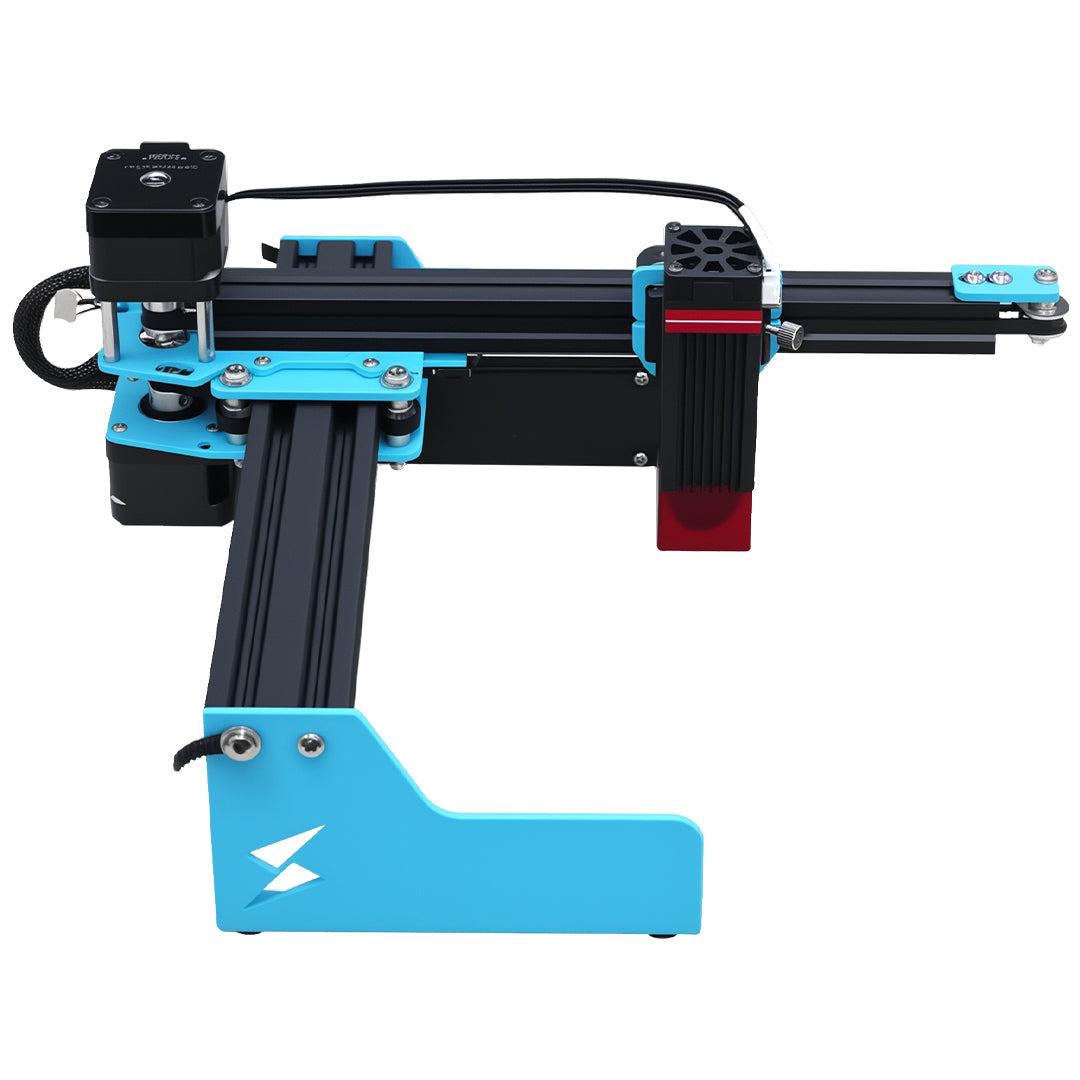
The P2 configuration offers a compact galvo workflow; it does not promise that a whole case fits below the head or that a blue diode can process any layer. Compare the accessible logo area and the complete empty-case dimensions with the actual setup. The same hidden-construction question also arises with an RFID wallet, where the accessory has a function beyond its visible skin.
Is a shallow mark safe because it stays in the cork?
Not automatically. Without a documented construction and approved process, you cannot establish that the underlying layers are unaffected simply by choosing a small setting.
Can I leave the phone inside to keep the case rigid?
No. Remove it before evaluating the case. If the empty case cannot be held appropriately without the phone, change the fixture or select a different accessory; do not use the device as a support.