

Acrylic material path
Acrylic laser engraving settings for displays, signs, and shop work
Acrylic buyers care about edge quality, clarity, and display value. Use sample strips first, then move into display-size layouts.
Visual proof
See the finished-product direction first
Use the image and cases below to keep the settings conversation tied to products buyers understand, not abstract numbers alone.

Application cases
Best TYVOK use cases for this material
Test logic
Settings path before paid work
These are starting decisions, not final universal numbers. Run proof files and document the material source before scaling.
| Decision | What to test |
|---|---|
| Sample strips | Test engraving, edge behavior, and cleanup before using a full sheet. |
| Display proof | Check visibility at real viewing distance, not only close-up. |
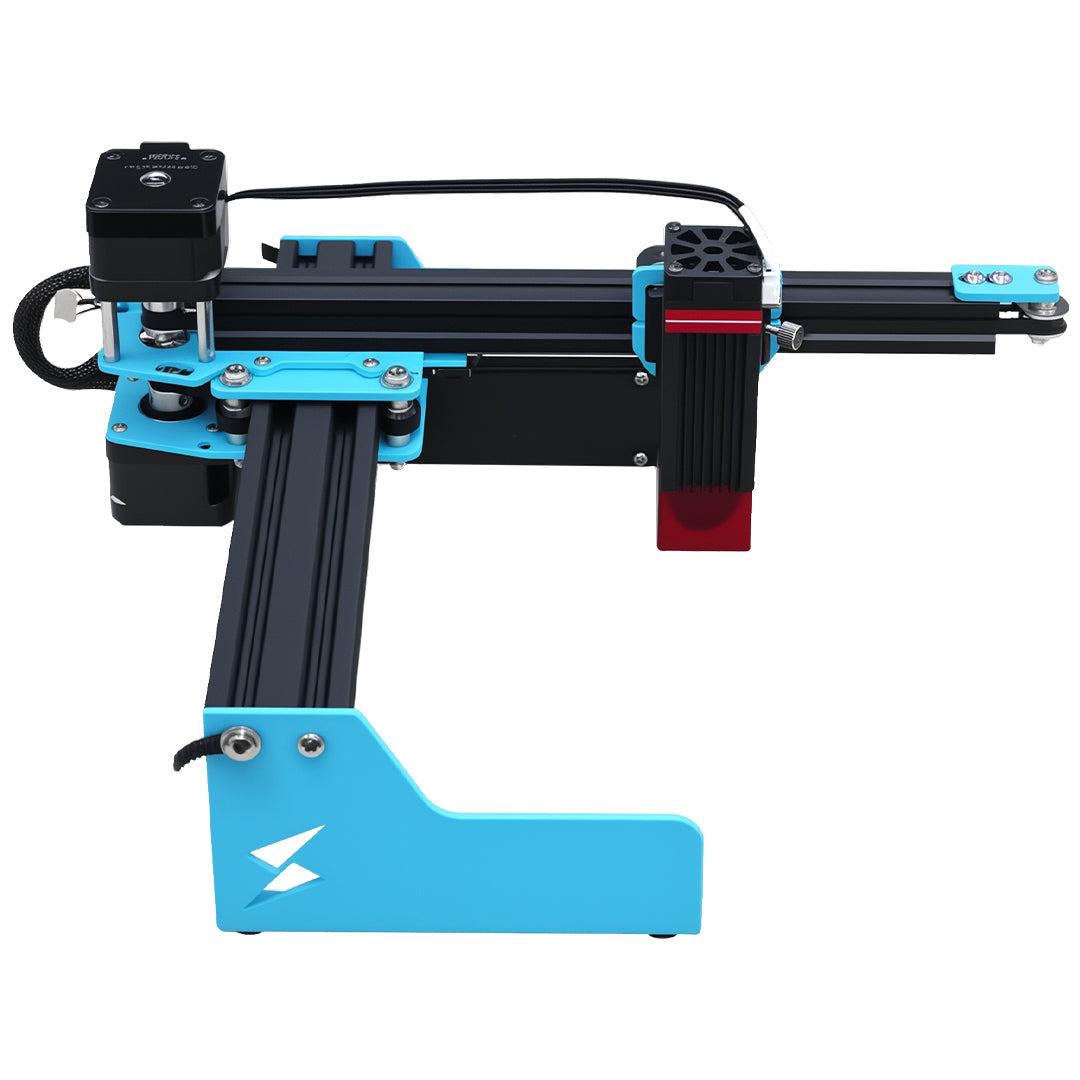
| Machine fit | Choose X1S Pro or the CO2 path when acrylic becomes a production category. |
FAQ
Acrylic material path questions
Which TYVOK machine should I start with for acrylic material path?
Start with TYVOK X1S Pro for the main workflow on this page. Compare TYVOK K1 / CO2 path when your project needs the alternate size, source, or production path.
Can I use one setting for every blank?
No. Treat each supplier, color, coating, thickness, and finish as a separate test until you have a repeatable result.
What should I do before selling this material?
Run a test file, photograph the finished result, save the settings with the material source, and only then build the product offer.