

Settings fundamentals
Laser engraving settings explained
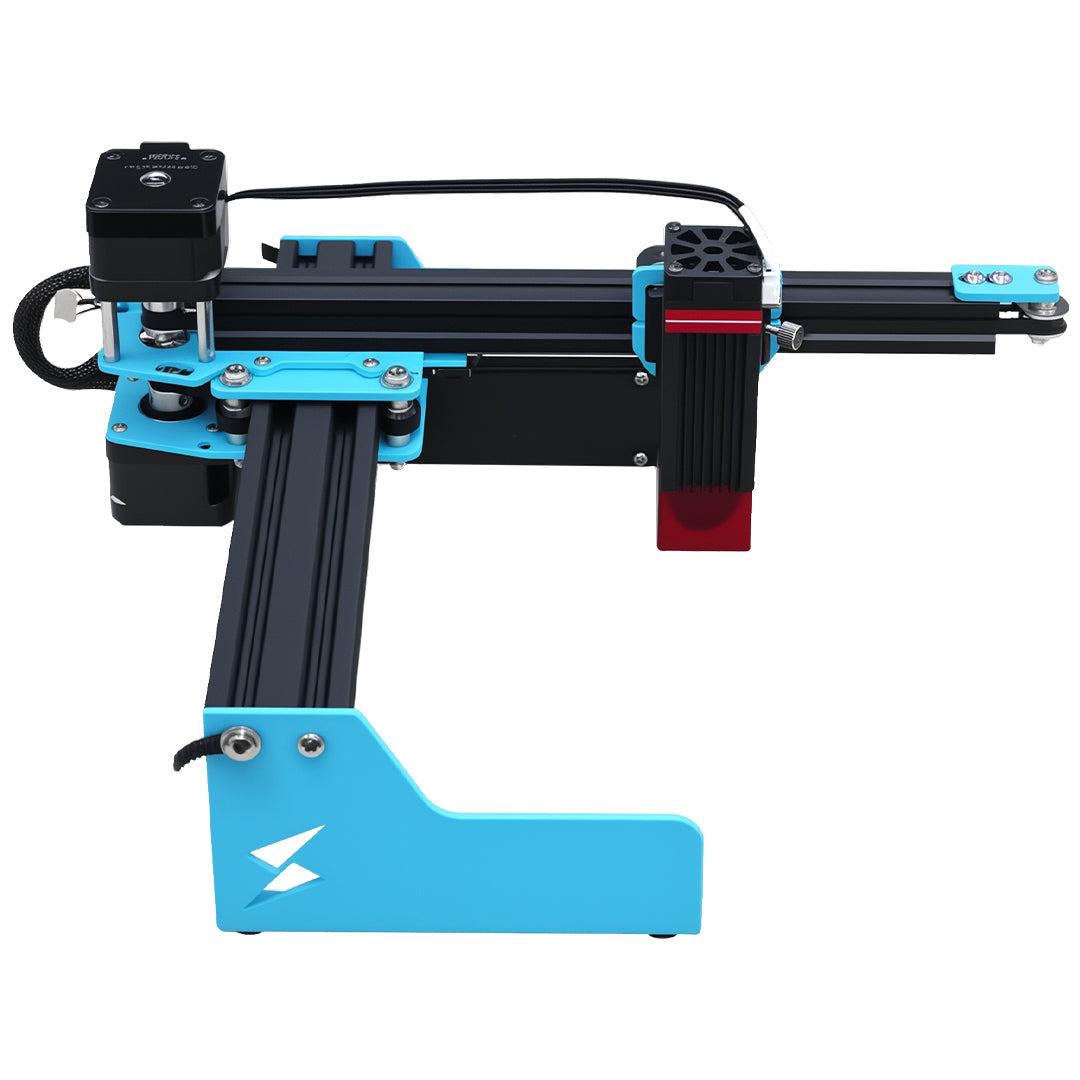
Laser engraving settings control how much energy reaches the material and how clean the result looks. Beginners should start with power, speed, passes, focus, and material type, then record the result with the exact TYVOK machine and blank used.
Direct answer
Understand the setting before changing it
Laser engraving settings control how much energy reaches the material and how clean the result looks. Beginners should start with power, speed, passes, focus, and material type, then record the result with the exact TYVOK machine and blank used.

Reference table
What changes the result
| Term | Meaning | Practical note |
|---|---|---|
| Power | How much laser output is applied | More power can darken, cut, burn, or over-mark depending on material. |
| Speed | How fast the laser moves or scans | Slower movement usually gives more energy per area. |
| Passes | How many times the job repeats | Multiple lighter passes can be cleaner than one aggressive pass. |
| Focus | Distance between lens and material | Poor focus can soften detail and reduce consistency. |
Next route
Move from explanation to testing
FAQ
Settings and software questions
What is the short answer for Laser engraving settings explained?
Laser engraving settings control how much energy reaches the material and how clean the result looks. Beginners should start with power, speed, passes, focus, and material type, then record the result with the exact TYVOK machine and blank used.
Should I copy settings from another machine exactly?
No. Use settings as a starting point, then test the exact TYVOK machine, material, focus, and file before paid work.
Where should I go after reading this page?
Open the settings chart, test files, material library, or TYVOK machine selector depending on whether you need numbers, proof files, material direction, or a buying route.