

First Laser Shortlist: Rank Projects by Frequency
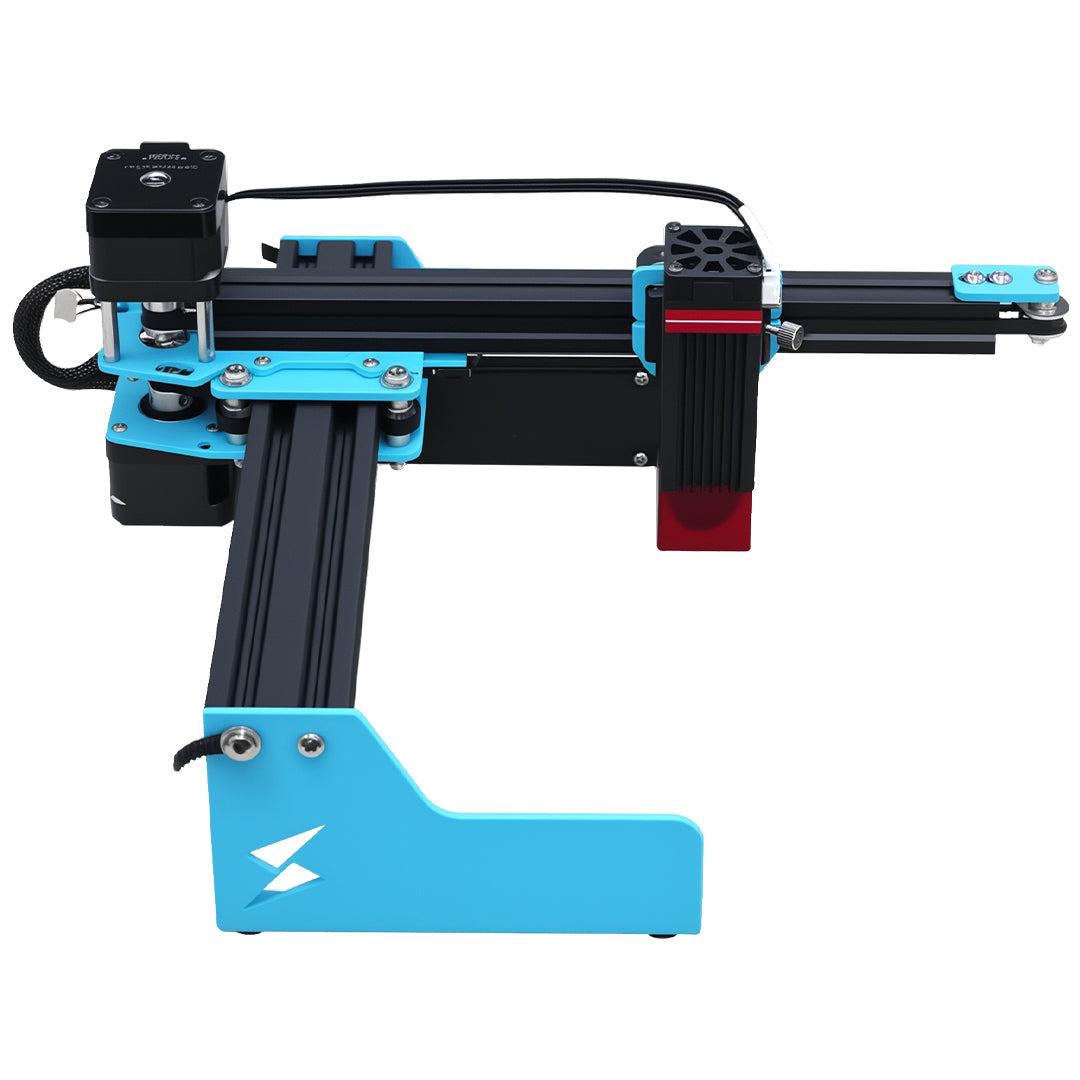
Choose a first laser project by how often you will realistically make it, not by the most impressive demonstration online. A compact A1 Mini workflow is easier to learn when the first three projects use known materials, fit without awkward repositioning, and repeat often enough to justify building a reliable file and fixture.

Score the projects you actually want
List five candidates, then score each from 0 to 2. Zero means poor or unknown, one means workable with proofing, and two means clearly suitable based on current documentation and your own measured blank.
| Criterion | 0 points | 1 point | 2 points |
|---|---|---|---|
| Frequency | Once | A few times yearly | Monthly or more |
| Material identity | Unknown | Supplier detail incomplete | Composition documented and allowed |
| Physical fit | Requires repositioning | Tight fit | Comfortable fit with margin |
| File readiness | New complex artwork | Needs cleanup | Simple tested vector/text |
| Repeat setup | Unique placement | Measured template | Reusable jig or reference |
Example: engraved plant labels score 2 for frequency, 2 for documented plywood, 2 for fit, 2 for simple text, and 2 for a reusable row fixture: 10/10. A one-off oversized wall map might score 0, 2, 0, 0, and 0: 2/10. The score does not claim the labels will succeed; it tells a beginner which job is easier to qualify first.
Turn the winner into a first project
- Measure the blank and compare it with the live machine working-area guidance.
- Confirm material composition and exclusions before purchase or processing.
- Create one small representative proof containing the thinnest line and smallest text.
- Record file version, material supplier/lot, focus method, placement, and result.
- Observe the whole run with ventilation and fire precautions required by current instructions.
Do not award extra points for possible sales. Frequency is about your likely use, not a revenue forecast. Also separate engraving from cutting: a material that marks acceptably may not cut cleanly or safely.
Use the current A1 Mini product page to confirm configuration, controls, accessories, software, material guidance, and regional availability. Compact equipment still requires supervision, ventilation, guarding, and a clear stop plan. If your recurring work is physically larger or requires a different production workflow, compare that constraint before buying rather than forcing the project into repeated repositioning. The first-week baseline helps record the received machine and a known-safe control. Once a repeatable craft is chosen, the price-floor worksheet shows how to record its real time and material cost without assuming sales.
Keep the completed scorecard with the first approved sample. Revisit it after three real projects: setup effort and material availability may differ from your initial estimate. A lower-scoring project can move up later, but only when new evidence changes a specific criterion.
Buyer FAQs
Is a coaster a good first project?
It can be if its composition is documented, it fits comfortably, and a spare from the same lot is available for proofing.
Should I choose a project because a settings library lists it?
No. Libraries are starting references, not proof for your exact machine, material, finish, and lot.
When is a project too large for a compact workflow?
When it cannot be framed with safe clearance or needs uncertain repositioning. Measure first and choose a workflow sized for the job.