

How to Laser Engrave Wood: A Beginner's Guide to Settings, Woods, and Flawless Results
So, you've got a laser engraver and a beautiful piece of wood, ready to create something amazing. But your first attempts might have left you with faint lines, deep burn marks, or a frustrating mess. Don't worry—every master engraver started right where you are. Laser engraving wood is one of the most rewarding applications, but it requires a bit of know-how to get consistently crisp, clean results. This guide will walk you through everything you need to know, from choosing the right material to dialing in the perfect settings and finishing your project like a pro.

Choosing the Best Wood for Laser Engraving
Not all wood is created equal when it comes to laser engraving. The right choice can mean the difference between a stunning, high-contrast piece and a sooty, charred disappointment. For beginners, it's best to start with woods that are known for their consistent results.
Top Woods for Beginners
- Basswood: The ultimate beginner-friendly wood. It's soft, light-colored, and has a very fine, even grain. This combination allows for incredibly detailed engravings with excellent contrast and minimal soot.
- Maple (Hard Maple): A slightly harder wood that offers a smooth, creamy-white surface. It engraves to a nice, light brown color, providing great contrast for both images and text. It's more durable than basswood for functional items.
- Baltic Birch Plywood: A staple in the laser community. High-quality Baltic birch has thin, even layers with minimal voids (gaps). It cuts cleanly and engraves beautifully, making it perfect for layered projects, puzzles, and decorative pieces. (We'll talk more about plywood specifics later).
- Alder: Another excellent choice, offering a uniform, medium-brown color that engraves to a rich, dark brown. It's relatively soft and affordable, making it great for practice and production.
Woods to Avoid as a Beginner
- Resinous Softwoods (like Pine): The high sap and resin content cause inconsistent engraving, excessive flaming, and stubborn, sticky soot that's hard to clean.
- Oily Exotic Woods (like Teak or Rosewood): The natural oils can vaporize unpredictably, creating a blotchy engraving and potentially releasing unpleasant or harmful fumes.
- Treated or Painted Woods: These can release toxic fumes when lasered. Always use raw, untreated, natural wood.
Mastering Your Laser Engraving Wood Settings
This is the heart of the craft. Settings are not one-size-fits-all; they depend on your laser's power, the wood type, and the desired effect. The three key parameters are Power, Speed, and Passes/DPI.
Understanding the Core Settings
- Power (%): How much energy the laser emits. Higher power burns deeper and darker.
- Speed (mm/s or in/s): How fast the laser head moves. Slower speed allows more time to burn, resulting in a deeper, darker engrave.
- Passes: The number of times the laser repeats the same path. Multiple passes at lower power can achieve depth with less charring than one high-power pass.
- DPI/PPI (Dots/Points Per Inch): Think of this as the resolution of your engrave. A higher DPI (like 300-500) means the laser points are closer together, creating a smoother, more detailed image, especially for photos. A lower DPI creates a more dotted, "vintage" look and can be faster.
Recommended Starting Settings
These are starting points only. Always run a test grid on a scrap piece of your exact material.
For a 10W Diode Laser (like the Tyvok P2 Galvo): * Light Engrave (tracing, fine details): 60-80% Power, 200-300 mm/s, 1 Pass * Deep/Contrast Engrave: 85-100% Power, 100-180 mm/s, 1-2 Passes * Cutting 3mm Baltic Birch: 100% Power, 8-12 mm/s, 2-3 Passes
For a CO2 Laser (like the Tyvok K1): * Light Engrave: 8-12% Power, 100-150 mm/s, 1 Pass * Deep/Contrast Engrave: 15-25% Power, 50-80 mm/s, 1 Pass * Cutting 3mm Baltic Birch: 40-50% Power, 20-30 mm/s, 1 Pass
How to Dial It In: Create a simple test file with squares or text. Adjust one variable at a time (e.g., keep speed constant, change power) to see its effect. Label your tests so you know what worked best.
Pro Tips for Flawless Wood Engraving Projects
How to Laser Engrave Plywood Successfully
Plywood is incredibly versatile but comes with quirks. The key is using high-quality, laser-grade Baltic birch plywood. Avoid construction plywood from the hardware store, as it's full of glue and voids. * Face Grain vs. Edge Grain: Engrave on the face (the smooth sheet surface) for the cleanest result. Engraving on the cut edge will show the layers and be much rougher. * Minimize Glue Lines: The glue between layers can engrave and cut differently, sometimes leaving a dark line. Test your settings to find what minimizes this effect. * Seal Before Engraving: Applying a light sanding sealer or even a damp cloth wipe can create a more uniform surface, reducing blotchiness from uneven wood density.
How to Avoid Burn Marks on Wood
Burn marks (those dark, sooty edges) are the most common beginner complaint. Here’s how to beat them: 1. Use Masking Tape: Apply a layer of painter's or transfer tape to the wood surface before engraving. The laser burns through the tape, and most of the soot residue stays on it. Peel it off after to reveal a clean, smoke-free surface. 2. Optimize Air Assist: If your machine has it, use it! A constant stream of compressed air blows smoke and debris away from the engraving point, drastically reducing scorching and improving cut quality. It's a game-changer. 3. Find the "Sweet Spot" Power/Speed: Often, burn marks come from too much heat. Try increasing your speed slightly or reducing power. A faster, lighter pass can be cleaner than a slow, powerful burn. 4. Clean Post-Process: After engraving, gently clean the surface with a soft cloth dampened with isopropyl alcohol or a specialized laser cleaner. For stubborn soot, a very light sand with fine-grit (400+) sandpaper can work wonders.
Laser Cut and Engrave Wood Project Ideas
Combine cutting and engraving to unlock your laser's full potential. * Personalized Coasters: Engrave monograms or designs on birch rounds, then seal with a food-safe coating. * Layered Signage: Cut out individual letters or shapes from plywood, engrave details on them, and layer them for a 3D shadow effect. * Custom Boxes: Use software like MakerCase to generate a finger-joint box template. Cut the pieces from plywood and engrave a beautiful design on the lid before assembly. * Inlays: Engrave a cavity into a piece of wood, then cut a perfectly matching piece from a contrasting wood (like walnut into maple) and glue it in for a stunning inlaid look.
Frequently Asked Questions
What is the easiest wood to laser engrave for a beginner?
Basswood is the clear winner. Its soft, uniform, and light-colored nature produces high-contrast, detailed engravings with minimal fuss. It's forgiving with settings and easy to find, making it the perfect training material.
Why does my laser engraving look blurry or uneven on wood?
This is usually caused by one of three things: 1) Unfocused Laser: Always ensure your laser is perfectly focused on the material's surface. 2) Low DPI/Resolution: For detailed images, use a DPI of 300 or higher. 3) Unstable Machine: Ensure your laser engraver (and the material) is not vibrating during operation. A solid machine like the Tyvok A1 Mini or P2, known for their stable frames, helps eliminate this issue.
Can I laser engrave stained or finished wood?
It's not recommended for beginners. The stain or finish can burn unpredictably, create toxic fumes, and prevent the laser from interacting with the wood fiber consistently. For best results, engrave on raw wood and then apply your stain or finish afterward. The engraved areas will typically absorb more stain, enhancing the contrast.
How do I get a deep engrave without excessive burning?
Use the multi-pass technique. Instead of one high-power, slow pass that generates a lot of heat and soot, try 2-3 passes at a higher speed and moderate power. Allow a minute between passes for the wood to cool slightly. This method carves out material more cleanly. Also, ensure your air assist is on full to evacuate smoke immediately.
Conclusion
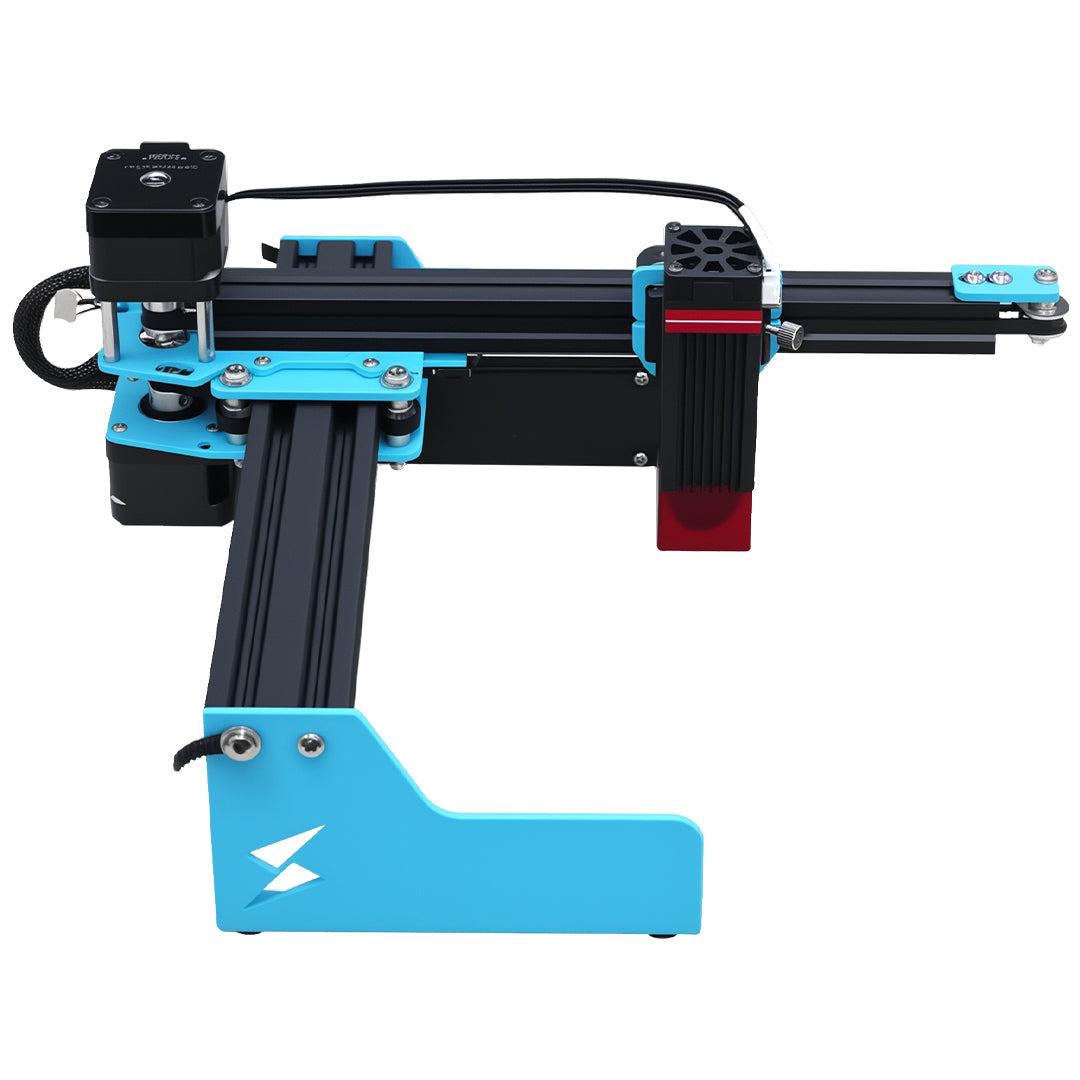
Laser engraving wood is a journey of experimentation and discovery. Start with the right material—like basswood or good plywood—use our settings as a launchpad for your own tests, and don't forget the pro tips: masking tape and air assist are your best friends for clean results. Whether you're using an entry-level machine like the Tyvok A1 Mini to learn the ropes or a faster galvo like the P2 for production, the principles remain the same. Embrace the test grid, learn from each piece, and soon you'll be transforming simple sheets of wood into personalized, professional-looking creations with confidence. Now, go make some sawdust