

How to Start a Laser Engraving Side Hustle with Tyvok A1 Mini in 2026
Laser engraving has become one of the most popular side hustles in recent years, and for good reason. With a relatively small upfront investment, you can start a profitable business from home doing something creative that you enjoy. And with an affordable machine like the Tyvok A1 Mini, it's never been easier to get started.

In this complete guide, we'll walk you through everything you need to know to start your own laser engraving side hustle in 2026 – from choosing the right machine to finding your first customers and growing your business.
Is Laser Engraving Still Profitable in 2026?
This is the first question people ask, and the answer is a definite yes. The market for custom engraved products is bigger than ever. People love personalized products – everything from wedding gifts to pet tags to custom home decor. And with platforms like Etsy, Instagram, and Facebook Marketplace, it's easier than ever to reach customers who are willing to pay for custom work.
The key to success is to start small, focus on products that have good profit margins, and gradually grow your business as you gain experience and get more customers. Many people start with just a Tyvok A1 Mini on their kitchen table, and within a year they're making a full-time income from it.
With the A1 Mini, your upfront investment is only a few hundred dollars, which means you can pay for the machine with just a handful of orders. That's one of the things that makes laser engraving such a great side hustle – low startup cost, high profit margins.
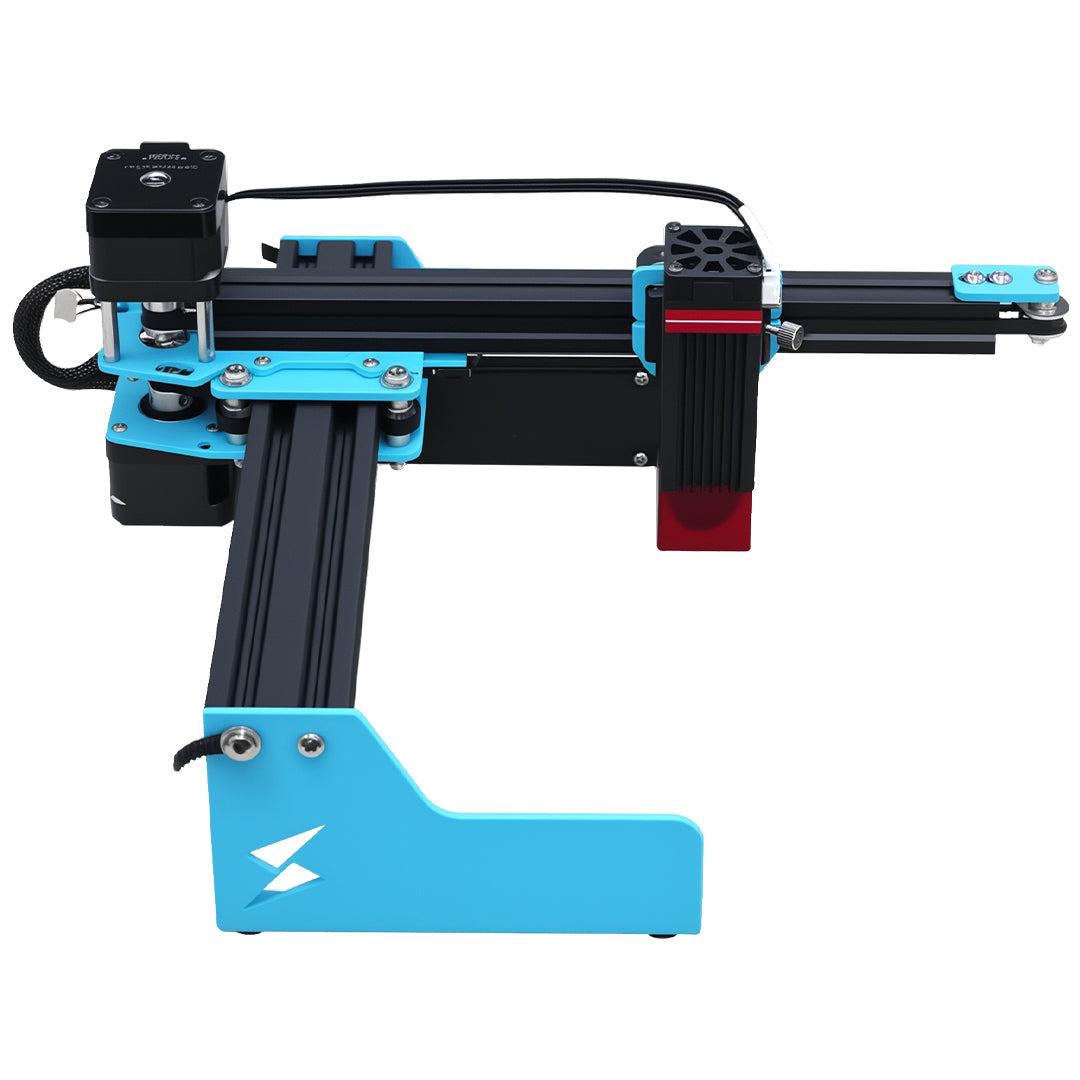
Why the Tyvok A1 Mini is Perfect for Starting Out
If you're just starting out with a laser engraving side hustle, the Tyvok A1 Mini is really the perfect choice. Here's why:
Low Upfront Cost
When you're starting a side hustle, you don't want to invest thousands of dollars before you even know if the business will work for you. The A1 Mini is affordable enough that most people can buy it with money they already have saved, without needing to take out a loan or get into debt.
Even the 10W version, which is what we recommend for most people, costs significantly less than other entry-level machines from bigger brands. That lower upfront cost means you can start making a profit much faster.
It Does Everything You Need When Starting Out
The A1 Mini can handle all of the most popular products that people sell – keychains, pet tags, coasters, wedding favors, phone cases, jewelry, and more. The 150mm x 150mm working area is big enough for 90% of the products that most small laser businesses make when they're starting out.
The 10W version can cut through 3mm plywood and acrylic, which is what you need for most small products. So you don't need a bigger, more expensive machine to get started.
It Works with All the Popular Software
The A1 Mini works perfectly with LightBurn, which is the industry standard software for laser engraving. There are thousands of tutorials online to help you learn LightBurn, and everything you learn on the A1 Mini will transfer over if you upgrade to a bigger machine later.
You don't have to learn some weird proprietary software that nobody else uses. Everything is standard, which makes learning easier and saves you time.
Solid Build Quality That Lasts
Don't let the low price fool you – the A1 Mini is built to last. The aluminum frame is solid, the motion system is smooth, and the components are high quality. It will handle the daily use of a side hustle business for years without any problems.
Many people run their entire side hustle on just an A1 Mini for years before they feel the need to upgrade. So you're not throwing your money away on a cheap machine that will break after a few months.
What Products Should You Sell?
One of the great things about laser engraving is that you can make so many different products. But when you're just starting out, it's better to focus on a few popular products that have good profit margins and are in constant demand.
Here are the most profitable products that are perfect for the A1 Mini:
1. Custom Pet ID Tags
Pet ID tags are always in demand. Every dog and cat needs an ID tag, and people are willing to pay for custom engraved tags that look better than the generic ones you get at the pet store.
- Material cost: $2-$3 per tag
- Selling price: $10-$15 per tag
- Profit margin: 70-80%
- Why it's great: Constant demand, quick to make, easy to ship.
2. Custom Keychains
Keychains are another product that's always popular. You can do custom names, logos, monograms, and designs. They're great for gifts, events, weddings, and corporate giveaways.
- Material cost: $1-$4 depending on material
- Selling price: $10-$20
- Profit margin: 70-80%
- Why it's great: Small, easy to make, easy to ship.
3. Coaster Sets
Custom engraved coasters are popular for housewarming gifts, weddings, and corporate gifts. Wooden and slate coasters are both really popular.
- Material cost: $3-$5 for a set of four
- Selling price: $20-$30 for a set
- Profit margin: 75-85%
- Why it's great: People buy them as sets, so your average order value is higher.
4. Personalized Wedding Favors
Weddings are a huge market for laser engraving. Couples want unique personalized favors for their guests, and they're willing to pay for quality.
Popular wedding favors that fit the A1 Mini:
- Coasters with the couple's names and wedding date
- Custom bottle openers
- Mini wine boxes
- Place cards
The profit margins are good, and you usually get an order for 50-100 favors at a time, which means a bigger total sale than individual orders.
Pro tip: When you start getting larger orders like wedding favors, the speed of a Tyvok P2 galvo laser becomes really valuable. You can engrave all those favors much faster, which frees up your time for other things.
5. Custom Leather Goods
Custom engraved leather goods like key fobs, wallets, and bracelets have really good profit margins. People love the look and feel of genuine leather, and they're willing to pay a premium for it.
- Material cost: $5-$10 for a good leather key fob
- Selling price: $20-$30
- Profit margin: 65-75%
6. Personalized Cutting Boards
Small personalized cutting boards and charcuterie boards are really popular for weddings and housewarming gifts.
- Material cost: $10-$15 for a small blank cutting board
- Selling price: $35-$60
- Profit margin: 60-75%
All of these products fit perfectly within the A1 Mini's 150mm x 150mm working area, so you don't need a bigger machine to make them.
Getting Started: What Do You Need Besides the Machine?
Besides your Tyvok A1 Mini, there are a few other things you'll need to get started. The good news is that you don't need a lot of expensive stuff.
Must-Have Items:
-
Tyvok Engraving Platform – This is the first upgrade you should get. A quality honeycomb platform improves ventilation, prevents back burning, and keeps your material flat. This improves the quality of every project you do, and it's specifically sized to fit the A1 Mini perfectly.
-
Laser Safety Glasses – Never run your laser without proper safety glasses. You need glasses that are designed for the wavelength of your diode laser. This is non-negotiable for your eye safety.
-
Ventilation – At a minimum, you need a small fan that blows the fumes out a window. If you're going to be using your machine regularly, we recommend investing in a proper fume extractor. Good ventilation isn't just for safety – it also gives you cleaner engravings with less soot buildup.
-
Basic Tools – You'll need some basic hand tools like sandpaper, clamps, a ruler, and utility knife. You probably already have these things around the house.
-
Materials to Get Started – Order a variety of blank materials to practice with and make your first products. Start with the basics – some plywood, hardwood blanks, anodized aluminum blanks, and leather.
Nice-to-Have Items (You can add these later):
-
Air Assist – An air assist system blows a stream of air across the lens during cutting, which gives you cleaner cuts and keeps your lens cleaner. It's not essential when you're just starting out, but it's a nice upgrade later.
-
Rotary Attachment – If you want to engrave cylindrical objects like tumblers and bottles, you'll need a rotary attachment. This isn't essential when you're starting out – you can add it later if you decide you want to do more cylindrical work.
-
Tyvok P2 Galvo Laser – Once you start getting more orders and engraving speed becomes a bottleneck, adding a P2 is the next step. You use the A1 Mini for cutting and the P2 for high-speed engraving. This combination gives you maximum productivity without a huge investment.
Setting Up Your Workspace
You don't need a dedicated workshop to start a laser engraving side hustle. The A1 Mini is compact enough that it fits on a decent-sized desk in a corner of any room. Here's what you need to consider when setting up your workspace:
- Sturdy, flat surface – Your machine needs to be on a solid, perfectly flat surface. A good desk or workbench works great.
- Ventilation – You need to be able to get the fumes out of the house. If you can put the machine near a window, that's the cheapest way to handle ventilation.
- Space for materials – You'll need some room to store your blank materials and your finished products. Even just a small shelf is enough when you're starting out.
- Computer nearby – You need to connect your A1 Mini to your computer via USB, so your computer needs to be within cable reach of the machine. Many people just use their regular laptop for this, so you don't need a separate computer.
The A1 Mini is so compact that you can even set it up in a small apartment. You don't need a lot of space to get started.
Pricing Your Products
Pricing is one of the most important things to get right when you're starting a side hustle. Here's a simple approach that works well:
- Calculate your material cost – Add up what you paid for all the materials that go into the product.
- Calculate your time – Estimate how long it takes you to make the product from start to finish, and pay yourself at least $15-$20 per hour.
- Add shipping and overhead – Add a little bit to cover shipping materials, electricity, and wear and tear on your machine.
- That's your cost, then double it – This gives you a good profit margin that leaves you room for unexpected expenses and marketing.
Don't make the mistake of underpricing your work at the beginning. It's easier to lower your prices later than it is to raise them. People associate higher prices with higher quality, so don't be afraid to charge what your work is worth.
Look at what other sellers on Etsy are charging for similar products, and price your work in the same range. You don't need to be the cheapest – focus on quality and customer service, and people will pay you fairly.
Where to Find Customers
Once you have your machine set up and you've made a few sample products, it's time to find customers. Here are the best places to start when you're just getting started:
1. Etsy
Etsy is the most popular platform for handmade and custom products, and it's where a lot of laser engraving businesses get started. People go to Etsy specifically looking for custom personalized products, so the customers are already there.
You'll need to take good photos of your products and write good descriptions that include the keywords people are searching for. It can take a little while to get your first sale, but once you get a few good reviews, things will start to pick up.
2. Facebook Marketplace and Facebook Groups
Facebook Marketplace is great for local customers. You can list your products there, and there's no fee to sell. It's also great for custom orders – people in your area might want to meet you in person and pick up their order, which saves on shipping.
There are also local Facebook buy/sell groups where you can list your products, and community groups where you can let people know you're open for custom orders.
3. Instagram
Instagram is a visual platform, which is perfect for showing off your work. Post photos and videos of your finished products, behind-the-scenes videos of you working, and customer testimonials. Use hashtags to reach people who might be interested in your products.
Many laser businesses build up a following on Instagram and get most of their orders through there.
4. Local Craft Fairs and Markets
Once you have a few products ready, doing a local craft fair or farmers market is a great way to get your products in front of people and make some sales. People love being able to see and touch your products in person, and you can get custom orders right there on the spot.
The key with craft fairs is to start small – do a few smaller local markets first to see what sells, before you invest in a big booth at a big fair.
5. Word of Mouth
Tell your friends and family that you've started a laser engraving business. Ask them to spread the word. People you know will often be your first customers, and if they like your work, they'll tell their friends.
Growing Your Business: When to Add More Equipment
When you first start out, all you need is your Tyvok A1 Mini and a few basic supplies. But as you start getting more orders, you might find that you need more capacity or more capabilities. Here's the typical progression that most people follow:
Phase 1: Just the A1 Mini
When you're just starting out, the A1 Mini can handle everything you need. You can make all the popular products we talked about, and you can handle 10-20 orders per week easily.
Phase 2: Add a Tyvok P2 Galvo Laser
Once you start getting more orders and engraving becomes the bottleneck, adding a Tyvok P2 is the next best step. The P2 is 20-30 times faster than the A1 Mini for engraving, so you can process many more orders in the same amount of time.
The most common setup is:
- A1 Mini: Cuts all your shapes out of wood, leather, acrylic, etc.
- P2: Does all the engraving quickly
This combination gives you the best of both worlds – the cutting capability of the A1 Mini with the speed of the P2 for engraving. And the total investment is still much less than what you'd pay for one big industrial machine.
Phase 3: Upgrade to a Larger Machine (If You Need It)
If you start getting a lot of requests for larger products like big wooden signs, then you might want to upgrade to a larger machine with a bigger working area. But most small laser side hustles never actually need this – most of their business is small products that fit perfectly in the A1 Mini.
So don't feel like you have to upgrade to a bigger machine right away. Start small, grow gradually, and only upgrade when you're sure you need the extra capacity.
Common Mistakes to Avoid When Starting Out
When you're new to the laser engraving business, there are some common mistakes that many people make. Here's what to avoid:
1. Spending Too Much Money Up Front
You don't need to buy the biggest, most expensive machine to get started. The Tyvok A1 Mini has everything you need to start and grow a profitable side hustle. Start small, prove that the business works, then reinvest your profits into more equipment when you need it.
2. Not Investing in a Good Engraving Platform
A lot of beginners try to save money by skipping the quality honeycomb platform and using whatever scrap they have lying around. Then they get poor results and wonder why. A quality Tyvok engraving platform isn't that expensive, and it immediately improves the quality of every project you do. It's worth the small investment.
3. Underpricing Your Work
Don't price your products too low just to get sales. You deserve to be paid fairly for your time and your work. Remember, you're running a business, not a hobby. Price your products so that you're making a good profit after all your expenses.
4. Not Practicing Enough Before Taking Orders
Practice on scrap material first before you start taking orders from customers. Get to know your machine, learn how different materials engrave, and develop your skills. It's better to practice first than to mess up a customer's order and get a bad review.
5. Ignoring Safety
Don't cut corners on safety. Always wear your laser safety glasses, always have good ventilation, never leave your machine unattended while it's running. Laser engraving is safe when you follow the rules – but you have to follow the rules.
Final Thoughts: Is a Laser Engraving Side Hustle Right for You?
Starting a laser engraving side hustle with a Tyvok A1 Mini is a great way to make extra money doing something creative that you enjoy. The startup costs are low, the profit margins are good, and there's constant demand for custom engraved products.
Whether you just want to make a few hundred dollars extra per month on the side, or you eventually want to grow it into a full-time business, laser engraving is a great option. The key is to start small, focus on quality, listen to your customers, and gradually grow.
Many people have started exactly where you are now – with a new A1 Mini in their spare bedroom – and built successful businesses that give them the freedom to work for themselves and make a good income on their own terms. With the right machine, the right products, and good customer service, there's no reason you can't do the same.
The Tyvok A1 Mini gives you a professional-quality machine at a price that's accessible for anyone starting out. It's reliable, easy to use, and it will handle everything you need to get your side hustle off the ground. As your business grows, you can add a Tyvok P2 for faster engraving to handle more orders, and keep growing from there.
If you've been thinking about starting a laser engraving side hustle, there's never been a better time than now. With all the platforms available to sell your products, and with affordable machines like the A1 Mini making it easier than ever to get started, what are you waiting for?
Ready to get started? Check out our complete setup guide for the Tyvok A1 Mini and discover the best materials for starting your business. Don't forget to pair your A1 Mini with a perfectly sized Tyvok engraving platform for the best results on every order.
Related Reading: How To Start Laser Engraving With No Experience Step By Step Guide For 2026
Related Reading: How to Start Laser Engraving with No Experience: Step-by-Step Guide for 2026
Related Reading: How To Start Laser Engraving With No Experience Step By Step Guide For 2026