

Direct Answer

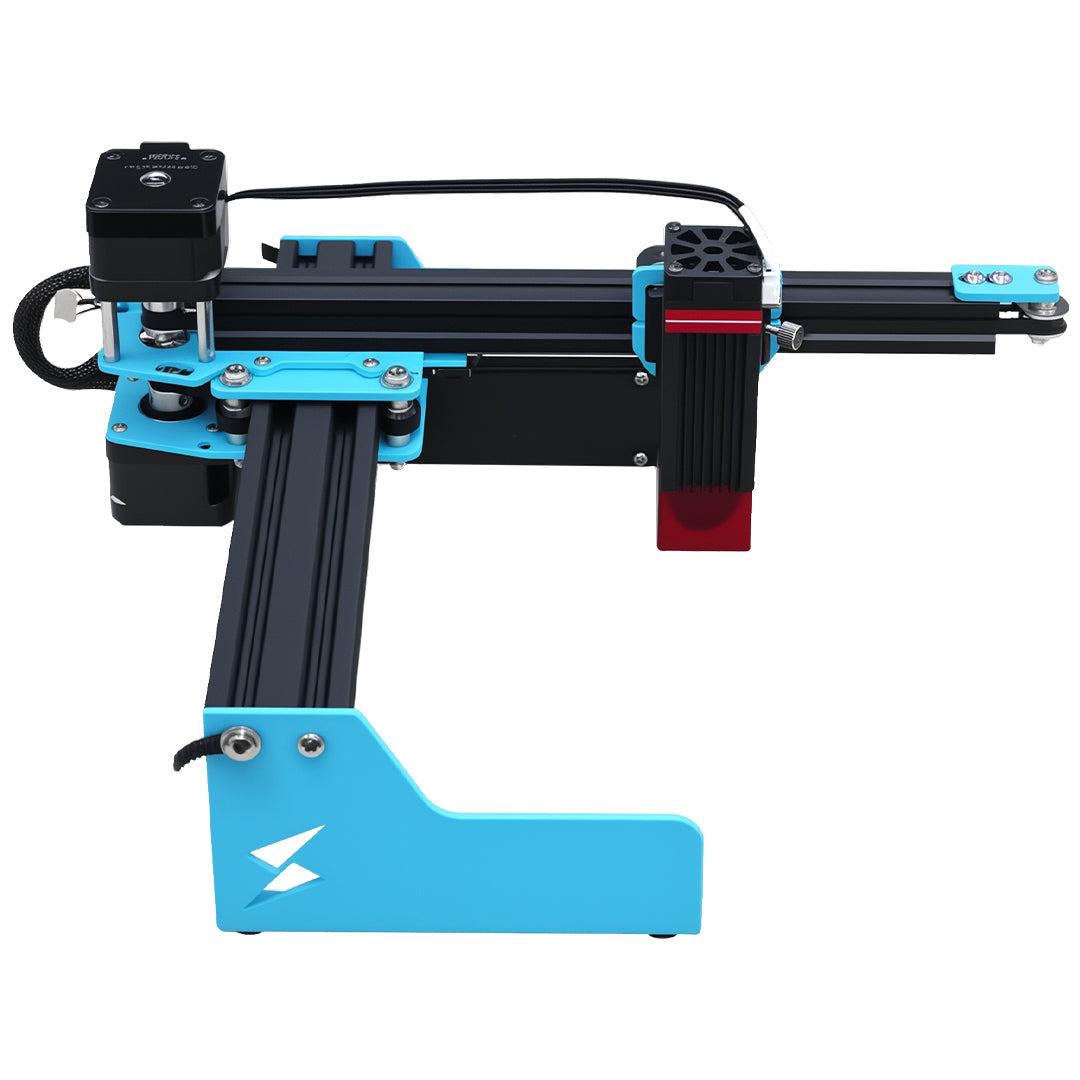
Before selling a laser engraved product, test the exact blank, make at least two repeat samples, photograph the finished result, define the personalization fields, and calculate whether the product can be made, packed, and shipped consistently. TYVOK P2 fits products that are compact, personalized, and repeatable, but each material and blank should be verified before public launch.
Why Testing Matters More Than a Long Product List
Many new sellers start by asking, “What can I engrave?” A better question is, “What can I engrave repeatedly and sell with confidence?” A long product list creates more risk than value if none of the products have finished samples.
Testing protects three things:
- Customer trust: The published photo should match what the customer receives.
- Production speed: The seller should know the setup before orders arrive.
- Offer quality: A specific tested product is easier to sell than a generic list of possibilities.
For a TYVOK P2 buyer, this is the practical standard: product idea, test, finished sample, listing decision, and then a machine choice.
The 7-Step Product Test Workflow
| Step | Question | Output |
|---|---|---|
| 1. Choose the product | Is it compact and easy to ship? | One product idea |
| 2. Source the blank | Can you reorder the same item? | Supplier and SKU |
| 3. Test the mark | Does the result look sellable? | First sample |
| 4. Repeat the sample | Can you make it again? | Second sample |
| 5. Photograph it | Does the result look clear online? | Hero and detail images |
| 6. Define the offer | What can customers customize? | Name, initials, logo, date |
| 7. Price the workflow | Does the time and packaging make sense? | Launch or reject decision |
Use this as a simple launch filter before you add a product to your store.
What Makes a Product Worth Testing
A good first product usually has these traits:
- Small enough to ship cheaply.
- Flat or easy to position.
- Easy for customers to understand.
- Strong perceived value after personalization.
- A supplier that can be reordered.
- A finished result that photographs well.
Examples include tags, leather patches, small signs, coated items, cards, inserts, keychains, and gift packaging. These products are not automatically profitable, but they are easier to test than large, fragile, or highly customized items.
How to Decide Whether TYVOK P2 Fits the Product
Use a product-first filter:
| Product requirement | P2 fit |
|---|---|
| Compact item | Stronger fit |
| Small focused mark | Stronger fit |
| Repeat personalization | Stronger fit |
| Large panels or oversized sheets | Weaker fit |
| Unknown material behavior | Test before selling |
| Heavy batch-area production | Compare larger workflows |
This prevents the article from becoming a machine pitch. The buyer receives a practical decision rule, and TYVOK P2 appears only where it makes sense.
The Finished Sample Standard

Do not publish a product listing from a blank material photo. A sellable laser engraving product needs at least:
- One hero photo of the finished item.
- One close-up showing mark quality.
- One scale or lifestyle photo.
- One note about the blank, finish, and personalization limit.
For example, a leather patch workflow should show a finished patch. A tumbler workflow should show a finished tumbler. An event workflow should show finished favors. This is the difference between a useful product workflow and a generic idea list.
Example: Testing a Leather Keychain Before Launch
Here is what a real product test should look like before the item becomes a store listing or blog article.
| Test field | Example entry |
|---|---|
| Product | Leather-look keychain with initials |
| Blank source | One supplier, one color, one size |
| Personalization | 2-3 initials or short name |
| First sample result | Check contrast, edge cleanliness, and smell/residue |
| Second sample result | Confirm the same placement and finish can be repeated |
| Photo status | Hero image, close-up, packaging image |
| Launch decision | Launch only if the second sample matches the first |
The key point is not the specific product. The key point is the proof loop. A seller should be able to show the finished item, repeat it, and explain the personalization limit before asking customers to buy.
For a TYVOK P2 buyer, this example creates a practical threshold: if the product is compact, repeatable, personalized, and easy to ship, it is worth testing. If the product is large, unstable, hard to position, or inconsistent between samples, do not build the first business offer around it.
Product Test Record Template

Use this simple record before publishing a product page or taking paid orders:
| Field | What to write |
|---|---|
| Material | Exact material, supplier, color, finish |
| Product size | Physical size and personalization zone |
| Artwork | Name, initials, logo, date, or short phrase |
| Setup note | Positioning method and repeatability notes |
| Result | Pass, revise, or reject |
| Photo status | Hero, close-up, lifestyle, packaging |
| Business decision | Launch, retest, or drop |
This record also helps the seller avoid vague product ideas. The strongest products are backed by tested blanks, finished samples, and real constraints.
How to Reject a Product
Not every tested product should be sold. Reject the product if:
- The result changes too much between samples.
- The blank supplier is inconsistent.
- The mark does not photograph clearly.
- The item takes too long to position.
- The packaging cost ruins the margin.
- Customers would need too much design support.
Rejecting weak products is part of a serious testing workflow. It protects the brand and keeps the catalog focused.
Next Steps
If your product idea passes the compact, repeatable, personalized, and easy-to-ship test, compare the P2 workflow with these related guides:
- TYVOK P2 Galvo Laser Engraver
- P2 Small Business Laser Engraver Guide
- P2 Etsy Seller Laser Engraver Guide
- Laser Engraver for Etsy Products That Ship Easily
- Best Laser Engraver for Selling Personalized Products
FAQ
Q: How many samples should I make before selling?
A: Make at least two repeat samples from the same blank. One good sample is not enough to prove repeatability.
Q: What product should beginners test first?
A: Start with compact, flat, easy-to-ship products such as tags, patches, cards, keychains, and small gift items.
Q: Should I test the exact blank I plan to sell?
A: Yes. Supplier, finish, coating, color, and size can affect the result.
Q: Is TYVOK P2 good for product testing?
A: TYVOK P2 can be useful for compact personalized product testing when the mark area is focused and the blank is verified.
Q: What products are worth testing with TYVOK P2 first?
A: Start with products that are compact, repeatable, personalized, and easy to ship. Examples include tags, patches, small gift items, cards, inserts, and keychains.
Q: What images should I create before publishing?
A: Create a finished hero image, a detail close-up, and a product context image.
Q: When should I reject a product idea?
A: Reject it if the result is inconsistent, hard to photograph, slow to position, difficult to ship, or too dependent on custom design labor.
Q: Should every tested product become a blog article?
A: No. Publish only products with useful finished proof and a clear buyer decision angle.
Conclusion
Testing is the bridge between “a laser can engrave this” and “a customer will buy this.” A strong P2 workflow makes that bridge clear: choose a compact product, test the exact blank, repeat the result, photograph the finished item, and only then publish or sell.