

Basswood Kit Tabs Do Not Fit: Use the First Sheet as a Fit Record
Use the first production sheet to cut a small tab-and-slot strip before the model kit. Record grain, measured thickness, assembly force, play, and breakage.

Nominal basswood thickness is not assembled fit
Demand evidence comes from a July Reddit project discussion: beginner buyers want to make ROKR-style kits, while current kerf discussions show real fit should override assumed beam-size values.
Judge after cooling and handling
- Confirm the sheet and adhesive composition are documented as laser compatible.
- Measure actual thickness at several points and keep grain orientation visible.
- Cut bounded candidates only with active supervision, effective exhaust, fire readiness, and immediate stopping for flame, persistent smoke, abnormal heat, or deformation.
- Assemble after cooling and repeat the candidate before cutting the full kit.
Cut three fit pairs from the first sheet
| Pair | Slot adjustment | Assembly observation | Disposition |
|---|---|---|---|
| T | tight candidate | force and edge crush | reject or retain |
| M | middle candidate | seat and play | candidate |
| L | loose candidate | wobble and pullout | reject or retain |
| R | repeat of candidate | consistency check | release evidence |
Why the middle pair may beat the tightest
The tight pair requires force and crushes a veneer edge; the loose pair rattles. The middle pair seats cleanly and its repeat behaves the same. That is stronger evidence than nominal 3 mm labeling.
The candidate strip should inherit eligibility from the two-step material test; larger puzzle turns need the X1S 2026 corner-aware ladder.
A1 Mini kit boundaries
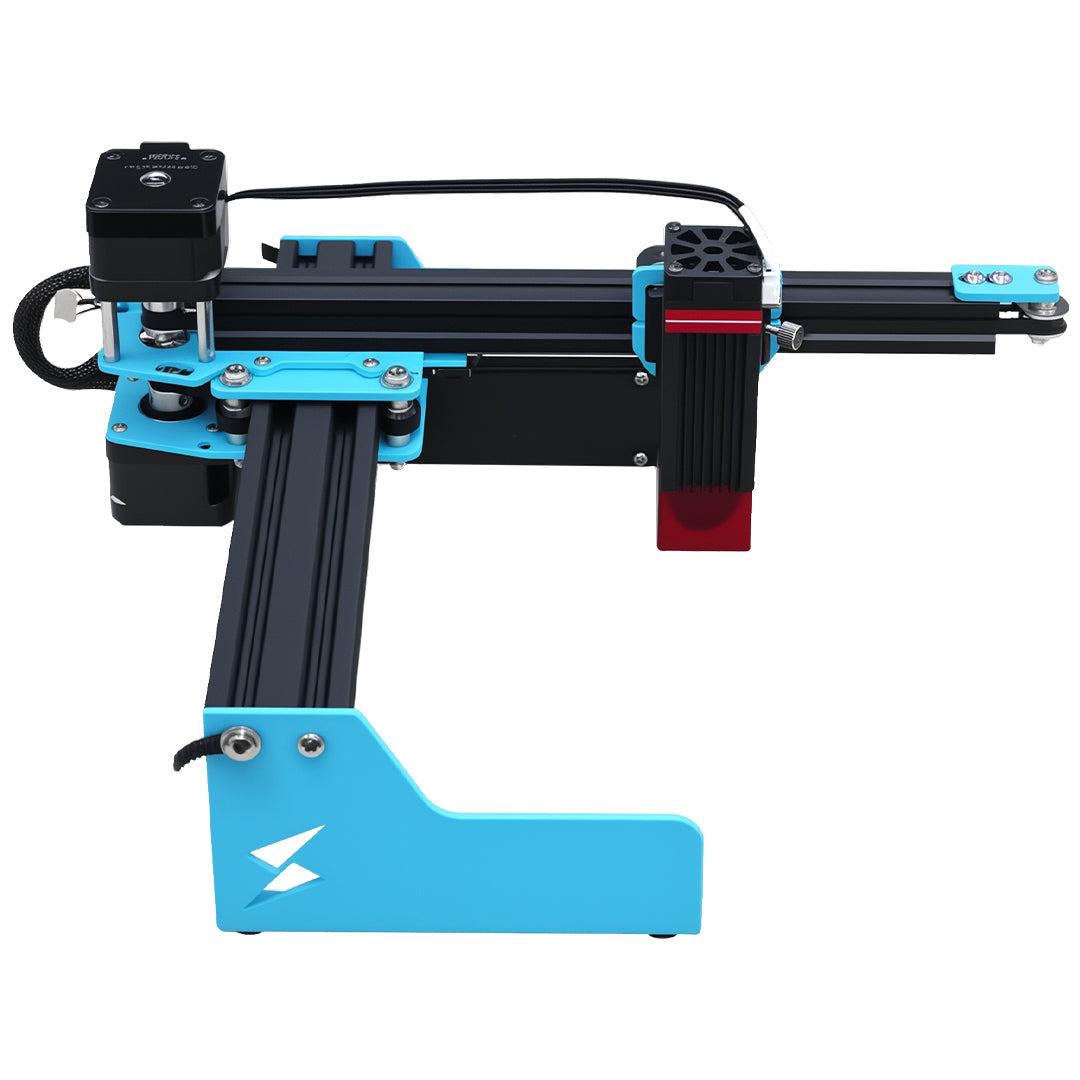
A1 Mini's beginner positioning does not make every basswood sheet eligible or every nominal thickness accurate. Composition, adhesive, actual thickness, grain, and supervised fit proof decide. Confirm the chosen A1 Mini variant, then let the eligible first sheet establish the assembled fit.
Tab-fit questions
Can I reuse yesterday's slot value?
Only as a starting point. Recheck a new lot, thickness, finish, or setup.
Does the smallest gap make the strongest kit?
Not if assembly damages the part or traps finish.
Should grain direction be recorded?
Yes. Thin tabs can behave differently across grain.