

Start a fingerprint keepsake with the clearest original print available. Before resizing or converting it, check whether neighboring ridges, forks and distinctive interruptions are actually visible. Image processing cannot reliably recover a ridge hidden inside a smudge.

An August fingerprint gift discussion drew requests for the process from finger to engraving file. The example also retained a recognizable scar. For a personal keepsake, that makes source fidelity more useful than an artificially smooth pattern. Its finished metal result is inspiration for the idea, not evidence of A1 Mini material performance.
Choose the source before the software effect
If a clean digital original already exists, request that file instead of a screenshot from a messaging conversation. Work from a copy and retain the original unchanged. Obtain the person's permission to use and store the image; send proofs only to the intended recipient.
If making a fresh paper print, follow the capture product's instructions and try more than one impression. Compare the results before selecting one. A print that is too light can omit ridges, while a heavy or moved impression can connect them. Choose based on visible information, not which one looks darkest.
For an irreplaceable older print, avoid aggressive automatic cleanup. Keep any undecipherable region visible in the proof and agree how it will be represented. Filling the gap with invented lines changes the keepsake's source.
A source-selection checklist for an A1 Mini project
| Source condition | What to check | Sensible next step |
|---|---|---|
| Original image file | Ridges remain visible without extreme enhancement | Preserve it as the reference |
| Scanned paper impression | Paper texture is distinguishable from print lines | Compare with the physical original |
| Messaging screenshot | Compression or interface elements obscure detail | Request the original attachment |
| Smudged impression | Adjacent ridges merge in the source | Recapture when possible |
| Unique historical print | Missing information cannot be recovered | Agree an honest visible treatment |
Prepare one delivery copy
Remove irrelevant margins on a duplicate, keep the proportions and export a format supported by the selected workflow. Reopen the export to check that the background, orientation and essential features survived. The small SVG line-thickness guide can help with a later vector representation, but tracing is not a way to discover missing source detail.
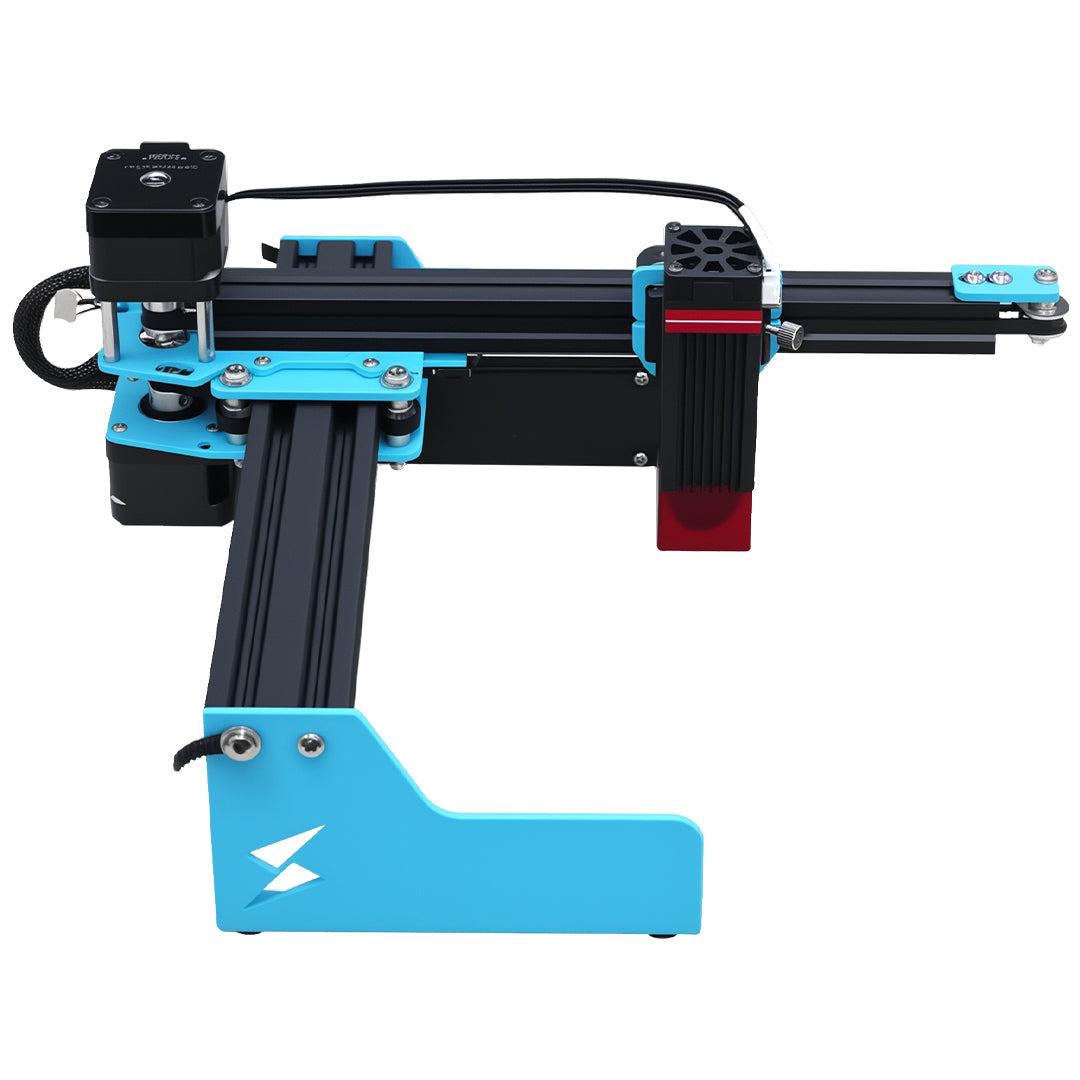
The A1 Mini page describes a compact 120 × 130 mm workspace. Choose an approved material and operating arrangement separately from this source-selection task. Once the source passes, the next question is whether ridge gaps survive at the intended physical size; a large screen preview cannot answer it.
Is a photograph of the finger good enough?
It may capture glare, perspective and skin texture that are absent from a clear impression. Compare the visible ridge information before choosing it. No capture method should be accepted solely because its file has many pixels.
Should I erase a scar or irregular break in the print?
Only if the owner explicitly wants a stylized version and understands the change. Keep an untouched reference so cleanup does not silently remove a feature that gives the keepsake personal meaning.