

Keep the customer's original JPG or PNG unchanged, and make a separate working copy for crop, size and tonal preparation. Converting a JPG to PNG can preserve subsequent edits without further JPEG compression, but it cannot restore information already missing from the source.

The xTool photo-preparation guide discusses selecting and preparing source images. The practical issue for a large-format order is maintaining a traceable original while several approvals and exports pass between people.
Name the files by their role
Create an intake folder containing the original delivery and the customer's intended finished dimensions. Keep messages that explain whether the picture was downloaded from a chat, exported from a design application or supplied directly from a camera. If the file is a screenshot of a photograph, ask whether the original is available before treating enlargement as an editing task.
Make a working master for edits and a separate output copy for the supported machine workflow. Use meaningful revision names and an approval note rather than repeatedly overwriting one file called “final.” Do not rename a file extension to pretend that its format has changed.
| X1S 2026 file role | Example record | What may change |
|---|---|---|
| Received original | Customer delivery and pixel dimensions | Nothing; retain as received |
| Working master | Crop boundary, intended size and edit revision | Controlled edits on the copy |
| Approval proof | Customer decision and referenced revision | New proof if the appearance changes |
| Output copy | Supported format and approved revision | Export settings, with a comparison check |
Use pixel arithmetic to expose an impossible promise
Suppose a customer sends a 1200-pixel-wide photograph for a 600 mm-wide panel. There are two source pixels per millimeter, or about 50.8 pixels per inch. Merely relabeling the file as 300 DPI adds no captured detail. This calculation describes available source information, not an acceptable engraving threshold or an X1S performance specification.
Discuss the intended viewing distance and the smallest feature that must remain recognizable. A distant decorative silhouette and a close-view family portrait are different approval tasks. If a better original is unavailable, approve a representative crop at final physical size before committing a full panel.
Check that the output copy preserves the approved crop and orientation. Compare a distinctive landmark near each edge, not only overall dimensions. If the job becomes multiple adjoining image panels, the shared-tone reference workflow keeps their preparation coordinated. If the physical output shifts sideways even though the exported image is correct, use the image-shift diagnostic rather than repeatedly changing file formats.
Keep format support within the machine's documented scope
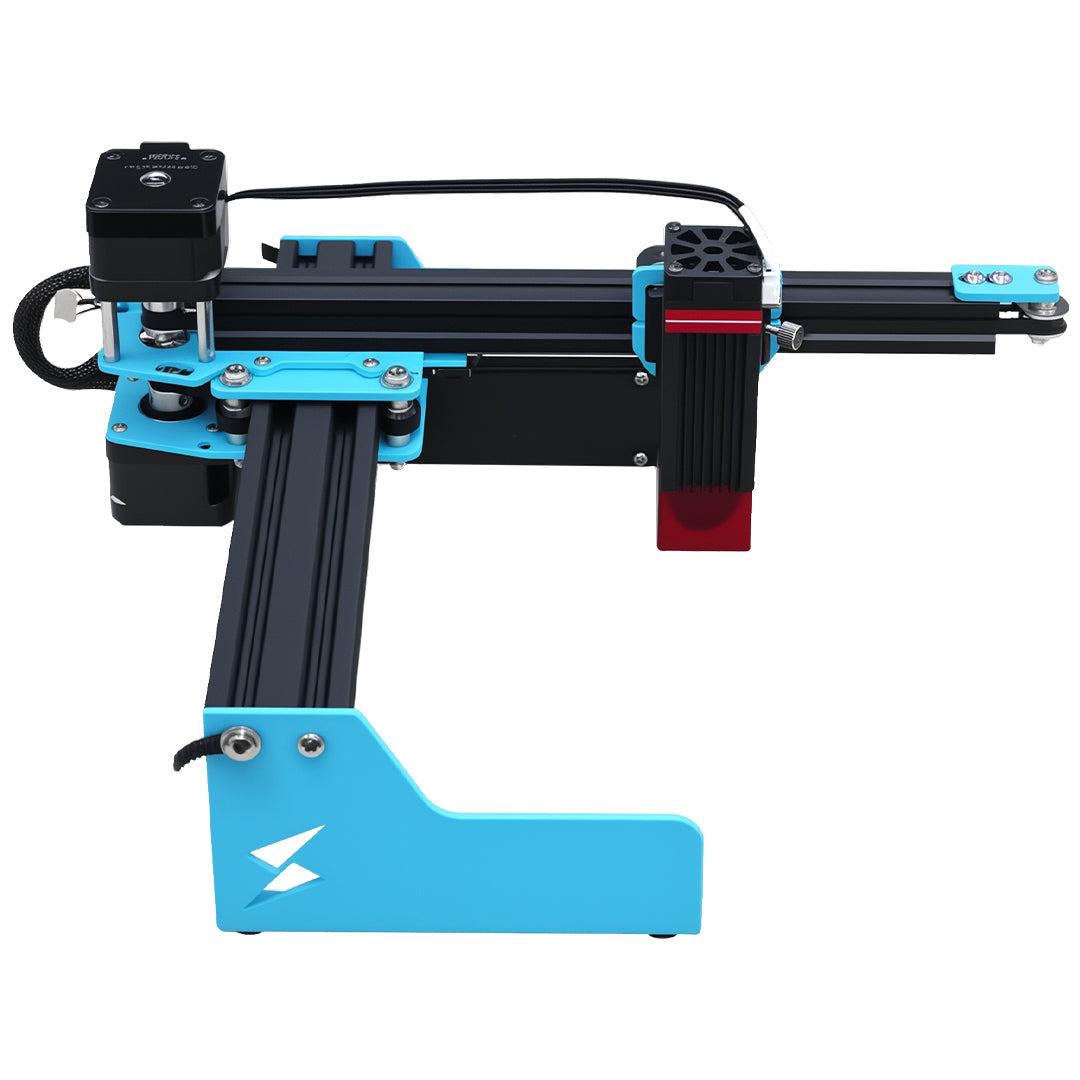
The X1S 2026 page lists common image formats including JPG/JPEG and PNG. A supported extension does not establish photo quality, material compatibility or an approved laser process. Confirm the installed configuration, use documented compatible stock and retain the accepted sample alongside the file record.
Is PNG always better than JPG for engraving?
No. A high-quality original JPG can contain more useful detail than a tiny PNG screenshot. Judge source pixels and preparation history, then avoid unnecessary lossy resaves.
Can AI enlargement replace a missing original?
It may invent plausible-looking detail. Treat any reconstructed feature as an altered image, disclose it to the customer, and obtain approval rather than presenting it as recovered fact.
Check the machine before buying
For the material and workflow discussed above, review TYVOK X1S 2026 configurations and purchase options after testing the exact project materials and setup.