

Keep outsourcing when demand is sporadic, requirements exceed the verified in-house workflow or fixed ownership costs outweigh control benefits. Consider in-house production when repeat demand, lead-time control, revision frequency and representative samples justify the complete installed system. Model both paths with the same annual job set.

Current workshop buyers weigh machine ownership against occasional outsourced work; this is a finance-and-capacity decision, not a project tutorial. Current demand source. This source documents present market concern around the workflow; it cannot replace a current regional configuration check or an identified sample.
Build a neutral demand ledger
List twelve months of panel jobs with size, material, quantity, outsource price, freight, lead time, rejected deliveries and internal handling. Separate confirmed orders from sales forecasts. One urgent job should not be multiplied into artificial annual utilization.
Calculate the in-house burden
Include machine ownership, room changes, extraction, electrical review, software, fixtures, proof stock, labor, maintenance and downtime reserve. Add the cost of work that still remains outsourced. Use scenario ranges because utilization and rework are uncertain before launch.
Score strategic control separately
Revision turnaround, confidentiality, color or edge inspection, batching flexibility and customer response may have value beyond unit cost. Give each a written weight and evidence. Avoid calling control a financial saving unless the ledger demonstrates it.
Evidence table for make versus outsource large panels
| Decision factor | Outsource evidence | In-house evidence |
|---|---|---|
| Annual demand | paid job history | confirmed pipeline |
| Lead time | supplier records | internal schedule model |
| Quality/rework | supplier dispositions | first-article burden |
| Cash requirement | per-order payment | installed system plus reserve |
Release rule for make versus outsource large panels
Choose a path only after low, expected and high scenarios use the same job list. Revisit quarterly; a pending machine quotation or uncertain ventilation cost must remain pending, not zero.
TYVOK X1S Pro boundary for make versus outsource large panels
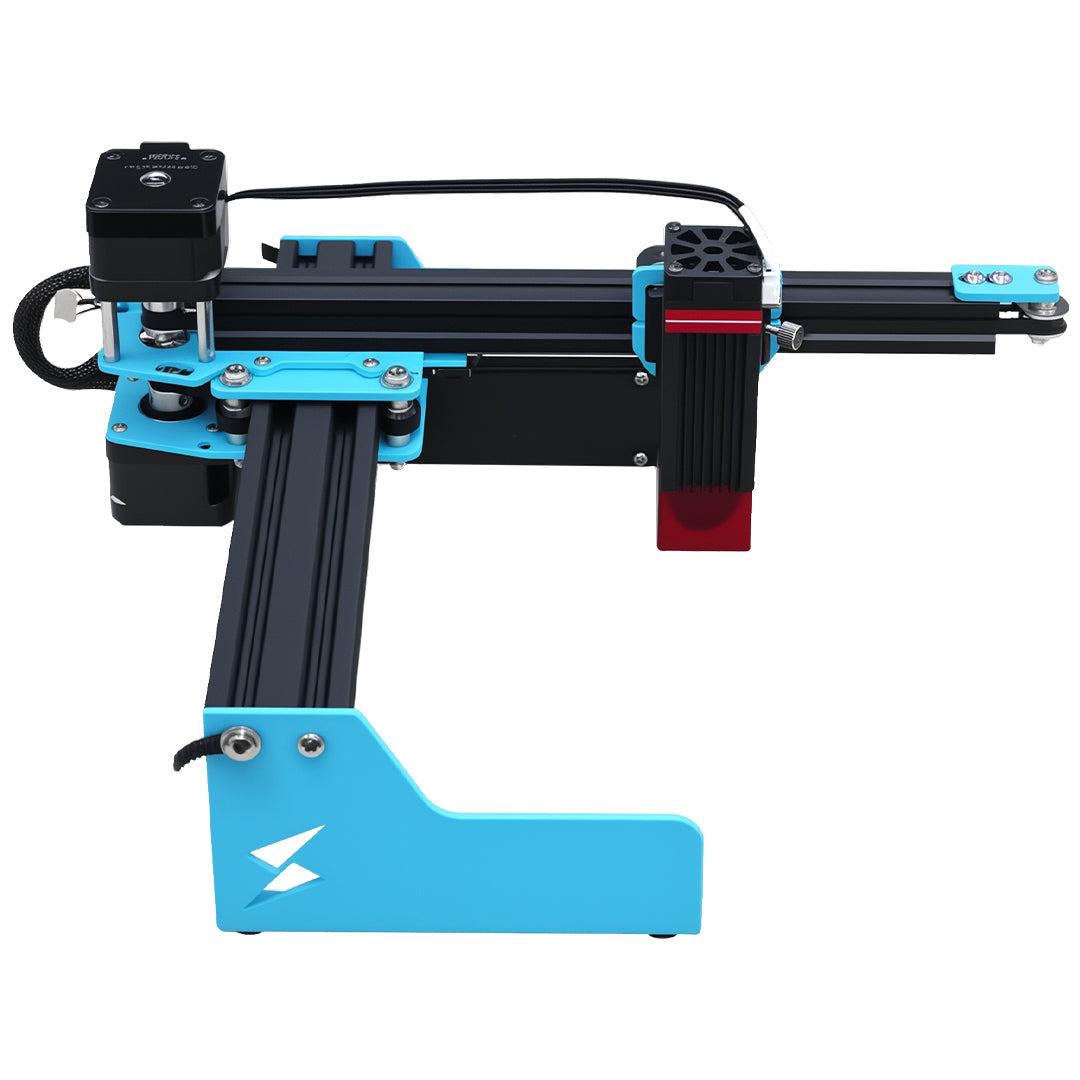
X1S Pro may fit verified large-format diode jobs, but it cannot eliminate demand risk, operator labor or materials outside blue-diode guidance. Confirm the selected 800 x 2000 mm bundle and local shop requirements in writing. This worksheet is not financial, regulatory or safety approval; in-house scenarios must include attended operation, effective exhaust, fire controls and shutdown authority. Review the current TYVOK X1S Pro page before purchase or use.
Related decisions after make versus outsource large panels
Continue with TYVOK X1S Pro Shop Footprint: Plan Access Before Delivery when its separate variable applies. Use Large-Panel Repeat Orders: Approve a First Article Before the Batch for the second neighboring decision. Neither guide replaces the evidence required here.
Buyer questions about make versus outsource large panels
How many outsourced jobs justify buying?
There is no universal count; compare annual contribution with the complete installed and operating cost.
Should faster revisions count?
Yes, but give them a documented business value rather than an invented saving.
Can every outsourced panel move in-house?
No. Keep unsupported materials, sizes and quality requirements with qualified suppliers.