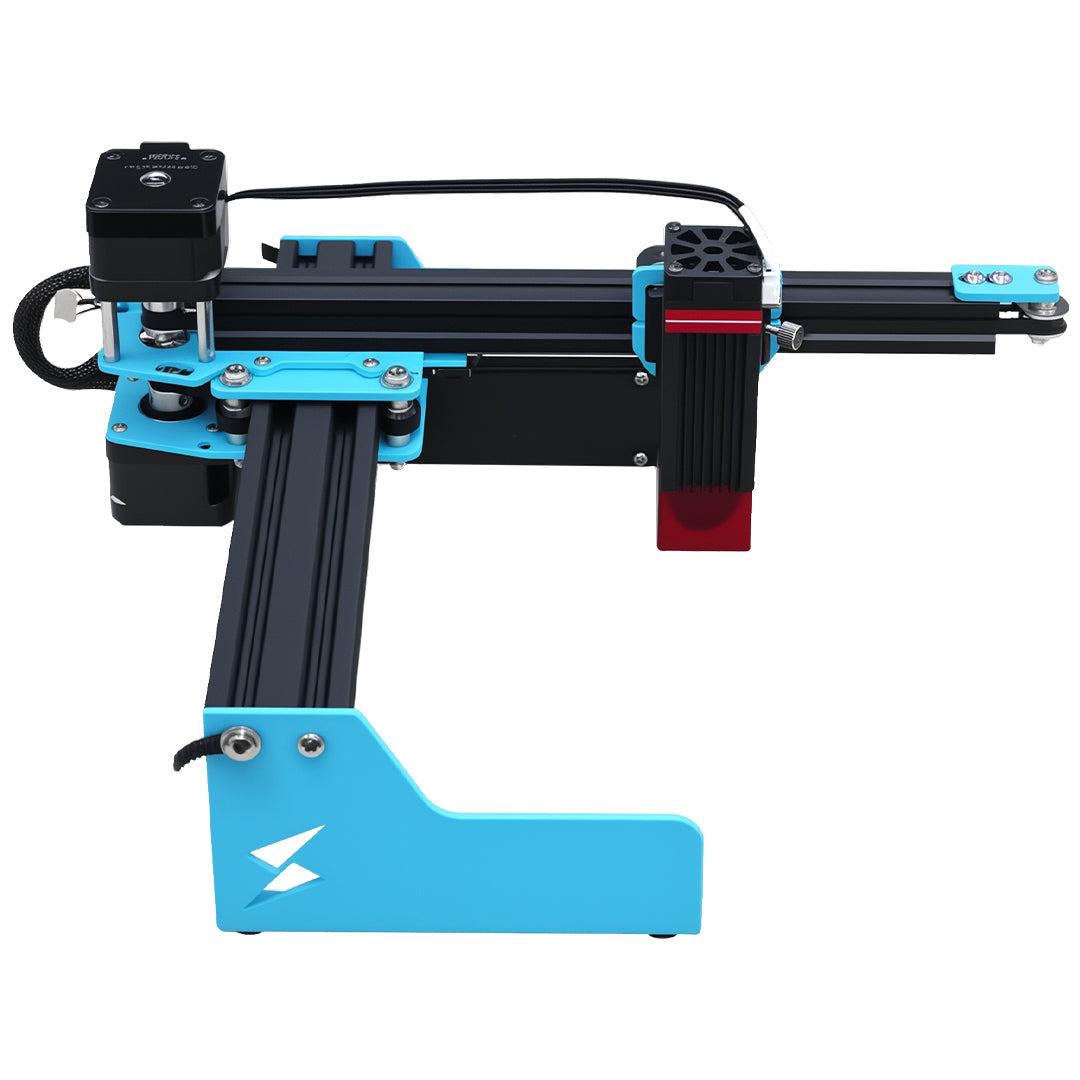


Editing a layer after pressing Start is different from applying a supported live speed or power override. Do not assume a changed number in the workspace has updated the running job, and do not assume a runtime adjustment has been written back into the saved project. Keep those states separate before repeating work on X1S Pro.

A recent LightBurn question asks whether changing settings during cutting affects the active cut. The reply distinguishes workspace changes from controls available during streaming. The distinction matters most when an operator later tries to reproduce a part that was adjusted while running.
Three records that can disagree
Think about the saved project, the job that was started and any runtime changes as separate records. They may initially agree, but editing one does not prove that the other two changed. A screenshot taken after the job ends can show a layer value that was never used for the completed piece.
The official Move Window documentation describes active-job overrides in its GCode section. It says those changes affect the running job without changing the original project settings. Availability and behavior must be checked against your controller, firmware and supported device configuration; this is not a promise that every laser exposes the same controls.
For routine production, do not use an in-progress customer panel as an experiment. If the intended process needs revision, stop through the supported procedure, preserve the current state and validate a deliberately revised job on a suitable sample.
X1S Pro handoff checklist
- Record the filename and revision that started the job, not just the file currently open.
- Note whether anyone used a supported runtime override and when it was applied.
- Keep the affected part separate from unchanged repeat samples.
- Reopen the revised file and inspect its layer values before the next run.
- Confirm the approved sample matches that revised file and actual machine setup.
The TYVOK X1S Pro product listing describes an 800 × 2000 mm diode platform with LightBurn workflow messaging. That does not identify every runtime control available on your individual setup. Follow TYVOK's instructions for the supplied controller rather than borrowing another machine's command sequence.
Make the next piece reproducible
An operator note such as “used a little less power” is insufficient for a repeat order. It leaves the next person unable to determine which part of the job changed, whether speed also changed or which saved settings should be used. Preserve the actual observations while they are fresh.
Keep object power scaling and layer settings distinct as well; those are another reason two displayed percentages may describe different things. If a dialog hides its confirmation button, first recover access and verify saved values. An unconfirmed edit cannot serve as the basis of a repeatable process.
Will saving the file capture an override used during the cut?
Do not expect that. The documented Move Window override changes the active job rather than the original project settings. Record it separately, then intentionally prepare and test whatever saved revision you want to use next.
Can I use a live override to rescue material that is cutting poorly?
Do not treat it as a general rescue procedure. Poor cutting can have several causes, and an improvised change may leave inconsistent parts. Stop as instructed, inspect the setup and validate a revised sample before committing the remaining material.