

When two diode lasers carry the same rated-watt label, transfer the job's acceptance criteria first and establish the receiving machine's settings with actual samples. Equal labels do not establish equal results at the same percentage power, feed speed or pass count.

A LightBurn forum question comparing the same stated power from different makers raises precisely this expectation. It is a reason to test a transfer carefully, not evidence that either manufacturer's laser is stronger or that one setting will reproduce another machine's finish.
Take the accepted part to the second machine
Choose a representative original sample and write down what made it acceptable: readable small lettering, a particular edge appearance, complete separation where cutting is required, or a dimensional fit. Include the defects that would reject a part. Without those criteria, a darker mark can be mistaken for a better result even when it loses detail.
Keep the material identity and geometry fixed during the first comparison. Use stock from the same known lot where possible, with its composition approved for both processes. Follow each machine manufacturer's own focus, support, extraction and operating instructions. Differences in approved setup are reasons to record the conditions, not to bypass them.
Begin with a small test in the receiving manufacturer's supported operating range. Change one relevant variable at a time, preserve the sample labels, and inspect the result before continuing. Do not start by copying a maximum-power recipe from the other machine.
Receiving-machine comparison sheet
| X1S Pro transfer item | Record for a useful comparison |
|---|---|
| Laser configuration | Actual installed module, not just product family |
| Material | Supplier, lot, thickness and surface condition |
| Job | Same geometry, dimensions and required finish |
| Setup | Approved focus and work support used on each machine |
| Outcome | Accepted parts, defects and observed processing time |
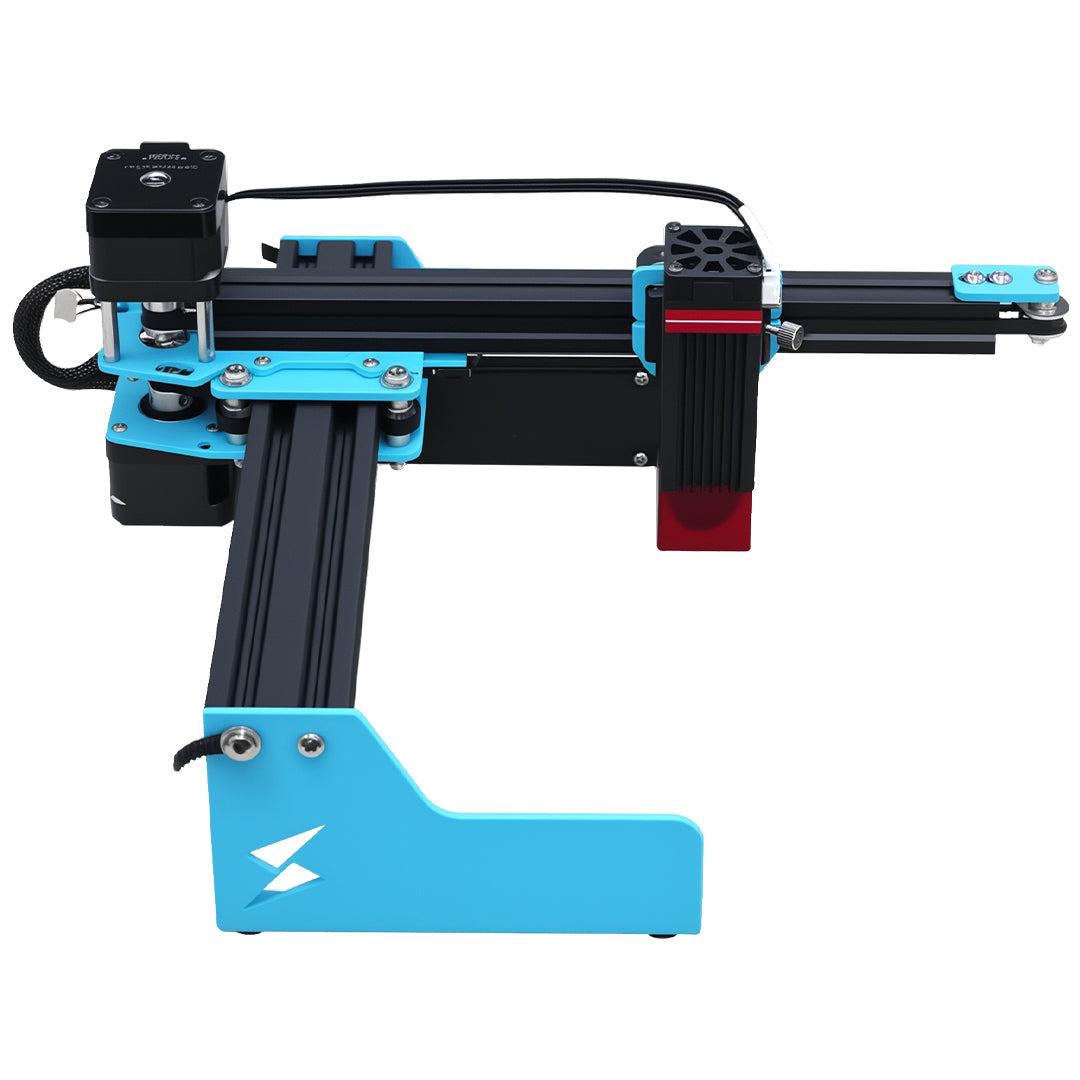
The TYVOK X1S Pro is a large-format diode platform described with an 800 × 2000 mm work area. Confirm the installed module separately; the product page's configuration descriptions are not a measurement of your unit's optical output. A watt label also does not establish that modules are interchangeable between machines.
Audit the complete job configuration before deciding the hardware caused a difference. A record of layer values and object-level power changes helps keep the comparison honest in supported software workflows. If settings vary within the artwork, write down those differences alongside the samples instead of comparing only one number from a screenshot.
Should I transfer the old speed and lower the power until it looks similar?
Treat the old values as background information, not a starting recipe. Use the receiving machine's guidance to choose a safe test range, then judge the actual result against the accepted part. Matching surface darkness alone may miss cut quality, lost detail or dimensional change.
What if I also installed a new LightBurn version?
Separate those changes. A different travel sequence can affect timing even when the machine is unchanged. Use the software-update sequence comparison on a controlled job, then conduct the equipment trial with a documented version and settings. Changing both at once makes the cause of any improvement or failure harder to identify.