

Local signage and display work
Laser engraver for local sign shops
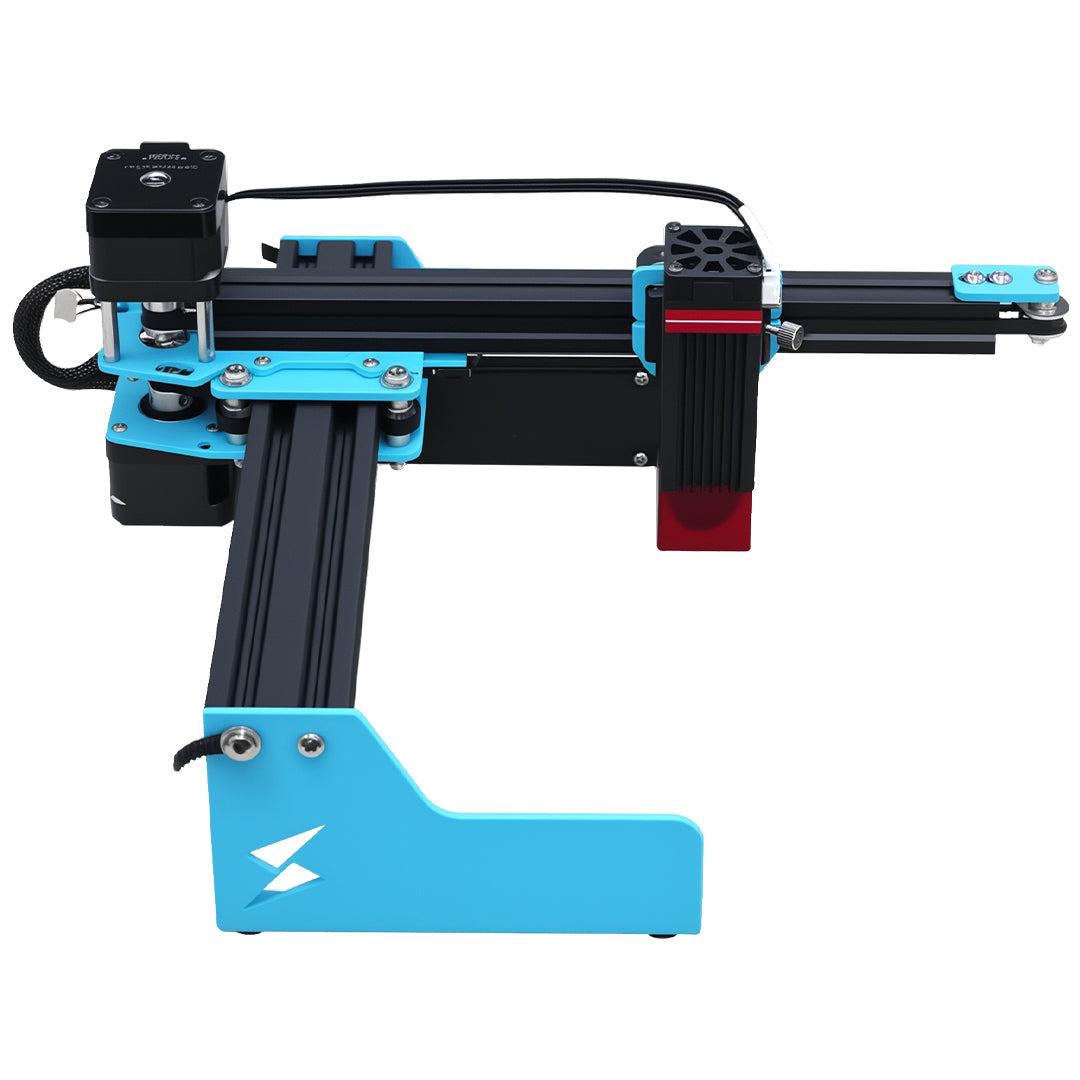
Local sign shops sell visible work: menu boards, shelf signs, counter displays, welcome signs, event boards, and long panels. The useful buying path starts with viewing distance, board size, repeat templates, and material handling before choosing the machine.
Real buyer logic
Choose by the work, not only the spec sheet
The xTool and LaserPecker lesson is clear: strong SEO pages do not only list specifications. They show the job, the workflow, the project proof, and the next buying route.

Application cases
Finished products buyers can picture
Buying workflow
Proof before committing
- Measure viewing distance before choosing letter height and board size.
- Run one proof line on the same wood, acrylic, or coated board before the full sign.
- Decide whether the job fits 800 x 800mm or benefits from the 800 x 2000mm path.
- Create repeat templates for menus, price boards, market stands, and seasonal promotions.
- Use X1S Pro when repeat shop jobs need a stronger production-focused platform.
Next route
Move from scenario to product
FAQ
Buyer questions
Which TYVOK machine should this buyer start with?
Start with TYVOK X1S 2026 when the first jobs match the compact or primary workflow described here. Move to TYVOK X1S Pro when the work area, repeat output, or project size becomes the bottleneck.
What did TYVOK learn from xTool and LaserPecker style buying guides?
Strong buying content should begin with the user job, then explain material fit, work area, software confidence, output volume, proofing, and upgrade route before linking to products.
How should a buyer avoid overbuying?
Choose the first repeatable product family, make proof samples, document settings, and upgrade only when a real workflow limit appears.
High-intent TYVOK project paths
Use these pages for searches where the buyer already has a sellable project in mind: QR codes, menu boards, pet tags, keychains, and repeat small-business work.