

Introduction
Custom engraved mirrors are beautiful, popular products that sell really well. They're perfect for weddings, housewarmings, bathroom decor, and personalized gifts. But if you're a laser owner, you might be asking: can you actually laser engrave mirror glass?

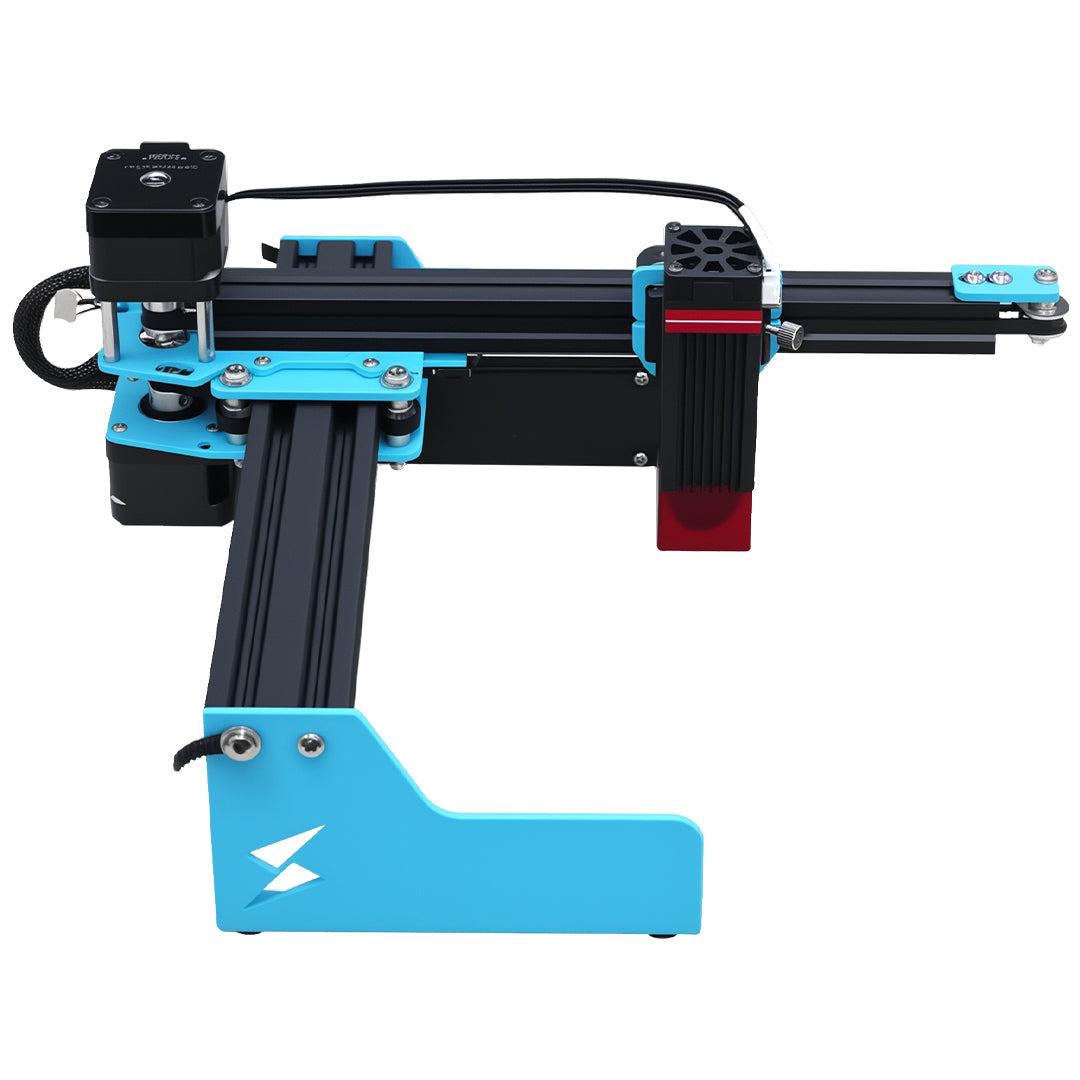
The answer is yes — you can absolutely laser engrave mirror glass, and it's actually easier than you might think. The best part is that you don't need a really powerful laser to get great results. Even an entry-level 10W diode laser like the Tyvok A1 Mini can produce stunning engraved mirrors. If you're doing production work, a galvo laser like the Tyvok P2 can engrave a mirror in seconds.
In this guide, we'll walk you through everything you need to know about laser engraving mirrors, including how it works, safety considerations, recommended settings, and pro tips for getting perfect results every time.
How Does Laser Engraving a Mirror Work?
Most mirrors are made from float glass with a thin silver or aluminum reflective coating on the back. When you laser engrave a mirror, you actually engrave it from the back side — you remove the reflective coating in your design area, which reveals the clear glass underneath.
The process looks like this:
1. Flip the mirror over so you're lasering the back side (the non-reflective side)
2. The laser vaporizes the reflective coating where you want your design
3. When you flip the mirror back over, your design shows up as a clear, frosted-looking area against the reflective background
4. The result is a beautiful permanent engraving that really stands out
This is good news for laser owners because you don't need to engrave through the glass itself — you just need to remove the thin backing coating. That means you don't need a kilowatt of power — even 10W is enough to get the job done.
Is It Safe to Laser Engrave Mirror Glass?
Safety is always the most important consideration. When you laser engrave a mirror, you're primarily removing the backing coating. What that coating is made of depends on the mirror:
Common mirror backing coatings:
- Silver coating: Traditional higher-quality mirrors use silver. Silver fumes are toxic when inhaled.
- Aluminum coating: Most modern affordable mirrors use aluminum. Aluminum is less toxic than silver, but you still don't want to breathe the dust.
- Paint backing: Many mirrors have a layer of paint over the reflective coating. Paint can release all kinds of fumes when burned.
Bottom line on safety: You absolutely must have excellent ventilation and a good fume extractor when laser engraving mirrors. The fumes and dust from the backing coating are not something you want to breathe. Never engrave a mirror without proper extraction.
Some people prefer to wear a respirator even with extraction when engraving mirrors, which isn't a bad idea. Better safe than sorry.
Another safety consideration: Glass can shatter if you use too much power. Don't blast through the glass — you just need to remove the backing. Start with low power and work your way up.
What Kind of Mirrors Can You Engrave?
You can laser engrave most standard mirrors, but here's what to look for:
Best Types of Mirrors for Laser Engraving:
- Standard float glass mirrors: Any plain mirror from a hardware store or craft supplier works great.
- Unframed mirrors: Easier to work with because you can just pop them in your laser. You can add a frame after engraving.
- Thinner mirrors (1/8" to 1/4"): Easier for lower-power lasers to handle. You don't need thick glass for most projects.
What to Avoid:
- Tempered glass mirrors: Tempered glass can shatter if you stress it with laser heating. Stick to regular annealed glass.
- Mirrors with plastic backing: Some cheaper mirrors have a plastic backing that can release really toxic fumes when lasered.
- Acrylic "mirrors": These are plastic, not glass. They can be engraved, but they're not the same as real glass mirrors and the process is different.
Where to get blanks: You can buy pre-cut mirror blanks from craft suppliers in all common sizes (round coasters, rectangles for wall art, etc.). You can also buy a large sheet of mirror from a hardware store and cut it to size yourself.
Recommended Settings for Laser Engraving Mirrors
Since you're just removing the backing coating and not engraving through the glass, you don't need as much power as you might think. Here are good starting settings for a 10W diode laser like the Tyvok A1 Mini:
For 10W Diode Laser:
- Speed: 150-250 mm/s
- Power: 30-50%
- DPI: 300 DPI
- Passes: 1
For 50W CO2 Laser:
- Speed: 300-500 mm/s
- Power: 20-40%
- DPI: 300 DPI
- Passes: 1
For 10W Galvo Laser (like Tyvok P2):
- Speed: 500-800 mm/s
- Power: 25-40%
- Passes: 1
The most important tip: Always test on a small corner of your mirror or a scrap mirror of the same type first. Different mirrors have different backing coatings, so your settings need to be adjusted. You want to just remove the backing coating without cracking or engraving the glass itself.
Step-by-Step Guide to Engraving a Mirror
Here's the complete process from start to finish:
Step 1: Prepare Your Mirror
Clean the back side of the mirror where you'll be engraving. Remove any dust, fingerprints, or protective film. Many new mirrors have a protective plastic film on the back — make sure you remove that before engraving.
Step 2: Place It in Your Laser
Place the mirror back side up in your laser. That means the reflective front side is facing down on your laser bed. The laser is going to be working on the back to remove the coating.
Pro tip: Put a piece of scrap cardboard or a towel under the mirror to protect the reflective front surface from scratches while it's in your laser.
Step 3: Focus Correctly
Focus your laser on the back surface of the mirror. Since mirror glass is relatively thick, make sure your focus is on the top (back) surface, not on your laser bed. Proper focus is really important for getting clean, sharp results.
Step 4: Do a Test Engraving
If it's a new type of mirror you haven't used before, do a small test engraving in the corner or on a scrap area that will be cut off or covered by the frame anyway. Check that you're getting complete removal of the backing without cracking the glass.
Step 5: Run Your Full Engraving
Once your settings are dialed in, run the full engraving job. Make sure your ventilation is running!
Step 6: Clean the Engraved Area
After engraving, you'll probably have some residue from the vaporized coating. Use a damp paper towel or cloth with a little bit of glass cleaner to wipe away the residue from the back side. You'll immediately see how your engraving looks.
If any spots of backing are still there, you can touch them up with a little scraping or run another light pass.
Step 7: Finish Your Mirror
After cleaning, you can leave the back as-is or you can paint the engraved area from the back to make the design stand out even more. Many people use black enamel paint to fill the engraved area — this makes the design really pop against the silver mirror background. Let the paint dry, then clean off any excess from the backing.
Then just put your mirror in its frame, and you're done!
Pro Tips for Better Results
Here are some expert tips that will help you get perfect engraved mirrors every time:
1. Don't Use Too Much Power
This is the most common mistake beginners make. You only need enough power to remove the backing coating. Using too much power can:
- Crack or shatter the glass from thermal shock
- Cause unwanted engraving of the glass itself
- Create more toxic fumes than necessary
- Waste time
Start with lower power — you can always do a second pass if you need more removal.
2. Focus is Everything
Since the back of the mirror is up on top of the glass, it's higher than your laser bed. If you focus to the bed instead of the mirror surface, your engraving will be out of focus and blurry. Take an extra 30 seconds to get the focus right on the mirror surface.
3. Paint the Back for More Contrast
If you want your design to really stand out, after engraving and cleaning, paint the back of the engraved area with black paint. When you look at the front, this makes the engraved design much darker and more visible against the reflective silver background. This is a common trick that professional mirror engravers use.
4. Use Air Assist
Turn on your air assist. It helps blow away the vaporized coating debris and keeps the lens clean during the job. The Tyvok A1 Mini comes with air assist, which definitely helps when engraving mirrors.
5. Check for Cracks After Engraving
If you used too much power, you might get micro-cracks in the glass. These can grow over time. If you see cracks after engraving, it's best to start over with a new mirror and lower power.
6. Clean Your Optics Afterward
The coating dust from mirror engraving can get on your laser lens. Clean your lens after each mirror engraving session to keep your laser performing at its best.
Design Tips for Engraved Mirrors
What kinds of designs work best on engraved mirrors?
- Text and logos: Simple text and line art work really well. The contrast is excellent.
- Monograms: Monogrammed mirrors are extremely popular for weddings and gifts.
- Quotes and sayings: Inspirational quotes on bathroom mirrors are big sellers.
- Photographs: Grayscale photographs can be engraved on mirrors, but the contrast isn't as good as it is on wood. Photographs work best if they're high-contrast images with lots of clear definition.
- Complex patterns: Because you're just removing the backing, you can do really detailed fine art designs. Galvo lasers like the Tyvok P2 are perfect for doing detailed work quickly.
Popular Project Ideas for Engraved Mirrors
There are tons of popular products you can make with laser engraved mirrors:
- Wedding Gifts: Custom engraved wedding date mirrors or bridesmaid gifts
- Housewarming Gifts: Personalized family name mirrors
- Bathroom Decor: Quote mirrors for bathroom walls
- Mirror Coasters: Small round mirror coasters engraved with initials or designs
- Wedding Signs: Seating charts or welcome signs on mirror
- Gym Mirrors: Motivational quote mirrors for home gyms
- Christmas Gifts: Personalized ornaments with mirror accents
- Business Logo Mirrors: For reception areas of small businesses
Why the Tyvok A1 Mini is Perfect for Starting with Mirror Engraving
You don't need an expensive high-power laser to start making beautiful engraved mirrors. The 10W diode laser in the Tyvok A1 Mini has more than enough power to remove the backing coating from mirror glass, and the affordable price makes it perfect for beginners who want to add custom engraved mirrors to their product lineup.
If you're doing production work and get a lot of mirror orders, the Tyvok P2 galvo laser can engrave a mirror much faster than a traditional gantry laser, so you can fulfill more orders in less time.
Common Mistakes to Avoid
Here are some common mistakes that beginners make when engraving mirrors:
- Engraving from the front: If you engrave the front side of the mirror, you're engraving into the glass itself, and you need way more power. Always engrave from the back!
- Too much power: As we mentioned before, this is the #1 mistake. Too much power causes cracking.
- Poor focus: Focusing on the bed instead of the mirror surface gives blurry results.
- No ventilation: Mirror engraving produces toxic fumes from the backing coating. Don't skip on ventilation.
- Forgetting to remove the protective film: New mirrors often have protective plastic film on the back. If you leave that on, it just makes a mess when you laser.
Conclusion
Yes, you can absolutely laser engrave mirror glass, and it's actually easier than most people think. You don't need a huge powerful laser — even a 10W diode like the Tyvok A1 Mini can get professional-quality results.
The key things to remember are:
- Always engrave from the back side (remove the backing coating)
- Use good ventilation — the backing coating fumes need to be extracted
- Start with lower power — you only need enough to remove the coating, not go through the glass
- Get your focus right on the back surface
- Consider painting the back of the engraving for more contrast
When you follow these tips, you can create beautiful custom engraved mirrors that make great gifts and sell really well. If you're looking to expand your product offerings, custom mirror engraving is definitely worth trying in 2026.
For more beginner-friendly laser project ideas that you can make and sell, check out our 10 Most Profitable Products to Sell With Your Galvo Laser Engraver in 2026 article.