

Small Monthly Gift Orders: How Many Blanks Should You Stock?
Stock blanks from measured demand, not optimism. A practical reorder point is average weekly use multiplied by supplier lead time, plus a small documented safety allowance and expected proof or spoilage pieces.

A current compact-engraving business story emphasizes personalized orders and keeping a material log, exposing the need to control blank inventory rather than assume demand. See the compact-personalization case.
Separate stock reserved for proofs from units promised to customers. That prevents a small coating change or damaged shipment from consuming the buffer that was meant to cover supplier delay.
Questions about buffers and cash
What is the reorder formula?
Reorder point = average weekly use × lead-time weeks + approved safety stock + expected proof pieces.
Should every color have the same buffer?
No. Demand, lead time, minimum order, defect risk and storage cost differ by SKU.
Does more inventory mean faster profit?
No. Unsold blanks tie up cash and may become obsolete or damaged.
Count usable stock instead of boxes
1. Count accepted orders by blank SKU for the last eight to twelve weeks.
2. Record supplier lead time and its recent variation.
3. Separate sellable stock from samples, damaged pieces and customer property.
4. Calculate the reorder trigger for each SKU.
5. Review slow stock monthly and stop automatic reorders when demand changes.
Inventory work becomes a laser task only at the sample stage, where the operator stays present and rejects unknown blanks.
Blank inventory calculation
| Check | Proof kept | Accept or hold |
|---|---|---|
| Weekly use | Accepted units shipped | Use recent average |
| Lead time | Order date to usable receipt | Use observed delay |
| Proof allowance | Samples consumed per lot | Do not hide rejects |
| Safety stock | Chosen service buffer | Cap by cash and shelf life |
Recount stock after separating samples and rejects. Do not average weekly use and lead time. Their evidence—accepted units shipped versus order date to usable receipt—answers different questions and leads to different release choices.
Set the next review date
When a stocked blank will carry a filled logo, Filled Logo: Should the Engraving File Be Vector or Raster? chooses the working artwork form. For personalized card orders, Personalized Coated Cards: Proof a Variable Name List checks the CSV rows before a blank leaves inventory.
Approve a reorder trigger with an owner and a review date.
Material qualification before stocking
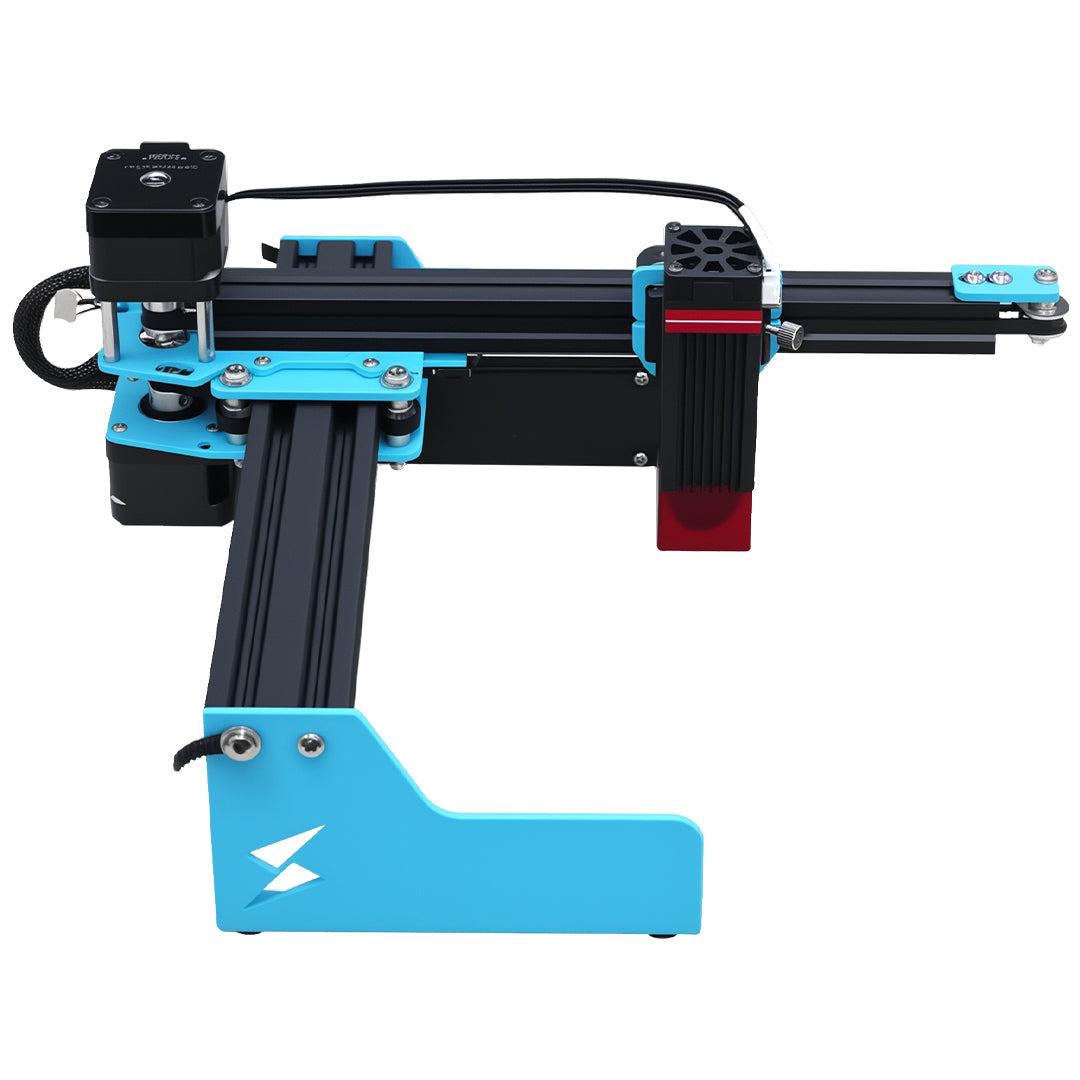
P2 can support compact personalization, but no machine creates demand. Confirm the exact blank material, coating and current module before stocking it for laser use. The live TYVOK P2 listing supplies the current configuration boundary. Require composition evidence for every stocked personalization blank.