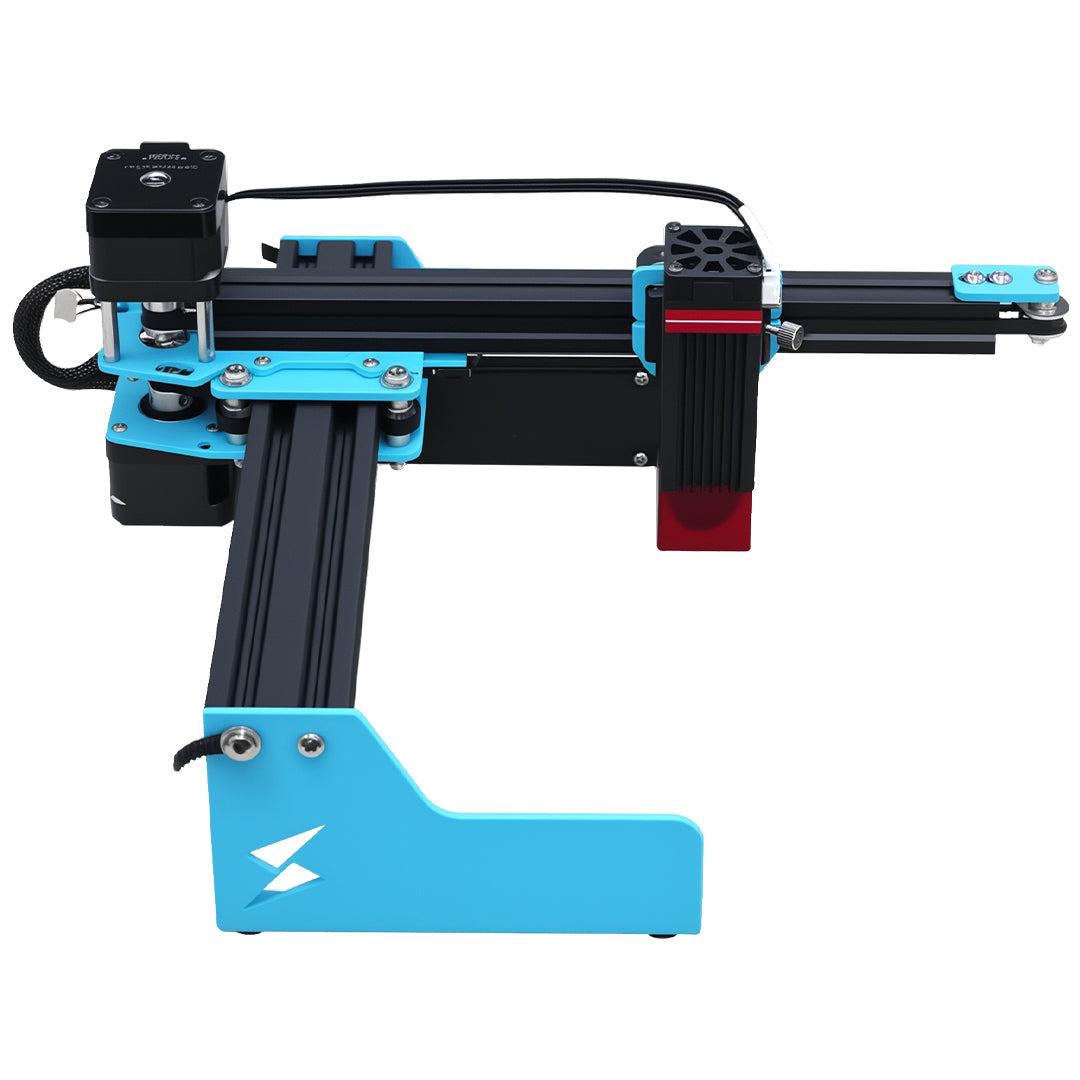


Direct Answer
To test a new material on TYVOK P2, treat it like a product validation experiment: make a small test matrix, define pass/fail rules (readability, contrast, smell/fumes, residue), and only sell blanks that repeat across multiple samples. Avoid unknown plastics (for example, don’t run PVC/vinyl) and always follow official safety guidance.

Quick Checklist (Start Here)
- Test one blank at a time; keep source + finish consistent.
- Define pass/fail: contrast, edge quality, residue, and odor/fumes.
- Photograph the sample under the same lighting you will use for listings.
- Repeat on 3 blanks from the same batch before you publish a listing.
- Write down the preset + prep steps so results are repeatable.
Pass/Fail Rules You Can Actually Use
| Category | Pass looks like | Fail looks like |
|---|---|---|
| Readability | Text is legible at listing distance | Text looks 'mushy' or broken |
| Consistency | 3 samples match closely | Each blank behaves differently |
| Cleanup | Wipes clean with normal steps | Sticky residue or surface damage |
| Safety | No unusual fumes; known-safe blank | Unknown plastic / harsh fumes |
Why 'Compatible Materials' Lists Can Mislead
A material name is not a blank. The finish, coating, and supplier quality change outcomes dramatically.
Instead of trusting a generic list, build your own approved blank list with photos, a preset name, and a reorder link.
A Simple Test Workflow
Start with a single file that includes thin lines, filled shapes, and small text. Run a small matrix and pick the best zone.
Then repeat on multiple blanks. If the second and third blanks fail, your first sample was luck, not a workflow.
When to Stop Testing and Change the Product
If a blank requires too much cleanup, produces inconsistent contrast, or varies by batch, it will create customer support problems.
Often the best move is to change the blank (supplier/finish) rather than forcing settings to compensate for poor material consistency.
Related Internal Links
- https://tyvok.com/products/tyvok-p2-galvo-laser-engraver
- https://tyvok.com/pages/p2-small-business-laser-engraver-guide
- https://tyvok.com/pages/p2-custom-gift-laser-engraver-guide
- https://tyvok.com/pages/p2-etsy-seller-laser-engraver-guide
- https://tyvok.com/pages/p2-tumbler-engraving-business-guide
- https://tyvok.com/blogs/news/blue-laser-galvo-engraver-buying-mistakes
- https://tyvok.com/blogs/news/compact-laser-engraver-vs-large-laser-machine
- https://tyvok.com/blogs/news/tyvok-p2-personalized-gift-sample-to-order-workflow
Purchase CTA
If you want to verify the current bundle, compatibility notes, and the latest configuration, start from the official TYVOK P2 product page: https://tyvok.com/products/tyvok-p2-galvo-laser-engraver
FAQ
Do I need ventilation?
Use ventilation appropriate for your materials and workspace, and avoid unknown materials. For accessories and official guidance, refer to the product page and included documentation.
Do I need eye protection?
Use appropriate safety practices for laser equipment and follow official instructions and local rules. Keep bystanders away from the working area.
Can I engrave PVC or vinyl?
Avoid materials that can release hazardous fumes. When in doubt, do not process the material and choose known-safe alternatives.
What is the safest way to start?
Start with a simple test file, a known material, and a documented checklist. Expand only after consistent results.