

A software status response cannot tell you that the material is behaving safely or that a finished part meets the order. Use status information to assist a present operator with job organization. Continue direct supervision of the laser, the material and the physical work area throughout processing.

The September 16 LightBurn announcement introduces a REST API in LightBurn 2.2 RC1 Early Access and explicitly says it is not a replacement for direct operator supervision. This optional software evaluation has not been tested here on TYVOK hardware. Retain your approved stable production workflow.
Separate software evidence from physical evidence
A computer can report information available to the application. That is different from observing a shifted board, unexpected scorching, smoke behavior or a part that remains attached where it should have separated. Even a correctly reported completion state answers only a limited software question.
| Information in the workflow | What still needs a person |
|---|---|
| Application reports readiness | Correct stock, placement and job are confirmed |
| Software indicates activity | Material and work area remain under observation |
| Job appears complete | Part condition and intended result are inspected |
| Status stops updating | Operator checks the actual application and machine |
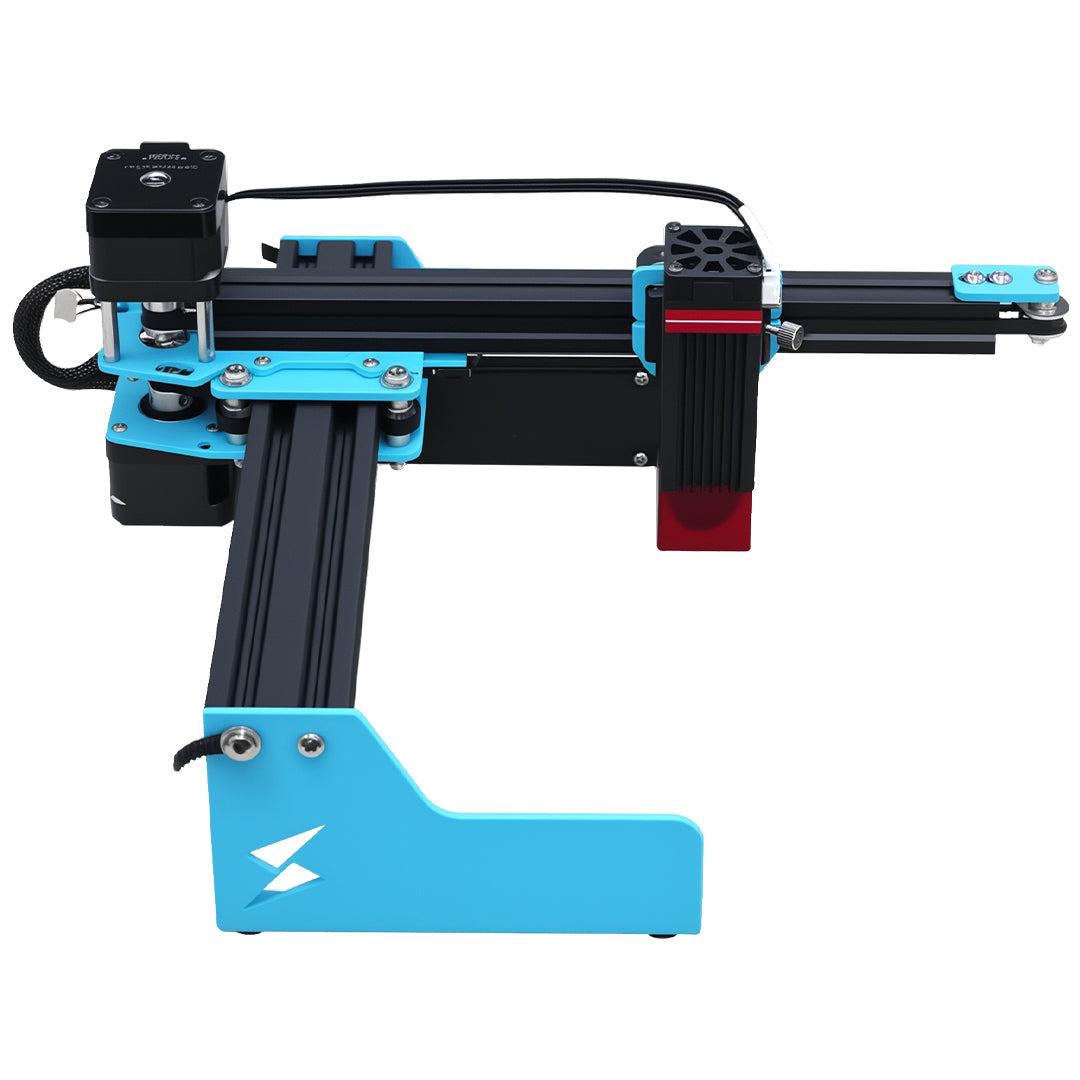
For X1S Pro work, a longer panel can place relevant material conditions outside a casual glance at the laptop. Arrange the workspace so the operator can supervise the whole process, with suitable extraction, protection and access to the machine's prescribed stop procedure.
Keep an initial integration read-only
The official API repository is the reference for the software interface. Begin by defining what status you want to display and how the display will show stale or unavailable data. A panel that silently retains an old value can mislead an operator even when no command is being sent.
Keep evaluation within the documented local-computer or local-network context. This workflow does not call for public-network exposure, remote starting or unattended operation. Do not add machine-control behavior merely because a software interface exists.
Choose a simple observation exercise: compare the displayed state with the application while a qualified operator follows the ordinary supervised procedure. Record any disagreement and stop depending on the display until it is understood. This checks the usefulness of the software aid without treating it as a safety system.
Keep the actual X1S Pro job visible
The TYVOK X1S Pro product page describes large-format engraving and cutting with LightBurn support. It does not establish a TYVOK cloud service or a validated integration with this new API. Hardware behavior and software integration must remain separate claims.
The operator still needs to identify the intended page and enabled output. A status value also cannot resolve whether a layer edit after starting changes the running job; the actual control behavior must be understood before relying on any change.
Can a completed status mark an order as quality checked?
No. Completion of software activity does not establish clean edges, legible text, full separation or the correct customer data. Inspect the actual part before accepting it or recording the order as finished.
What should happen if the status display freezes?
Treat it as unavailable information, not evidence that the machine stopped. Keep the operator's direct supervision and normal machine controls authoritative. Investigate the display separately before relying on it again.