

Laser Engraving vs 3D Printing 2026: Which Should You Choose?
If you're considering adding digital fabrication tools to your workshop, you've probably wondered: laser engraving or 3D printing? Both technologies have revolutionized how we create, but they serve very different purposes. Let's break down the pros, cons, and best uses for each technology to help you make the right choice.

Understanding the Technologies
What is Laser Engraving?
Laser engraving uses a focused laser beam to vaporize material, creating permanent marks, cuts, or engravings on various surfaces. It's a subtractive manufacturing process that works with existing materials.
Key Applications:
- Marking and engraving text and designs
- Cutting thin materials
- Etching glass and metal
- Personalizing products
What is 3D Printing?
3D printing (or additive manufacturing) builds objects layer by layer from digital models using materials like plastic filament, resin, or metal powder.
Key Applications:
- Creating custom 3D objects
- Prototyping
- Replacement parts
- Complex geometries
Comparison Table
Feature Laser Engraving 3D Printing
--------------------------------------
Process Subtractive Additive
Speed Very fast Slower
Material Cost Low (uses existing materials) Higher (special filament)
Learning Curve Moderate Steeper
Startup Cost $200-$5,000 $200-$10,000+
Waste Minimal Some (supports)
Post-processing Usually none Often required
Cost Comparison
Initial Investment
Both technologies have entry-level options under $300. For beginners:
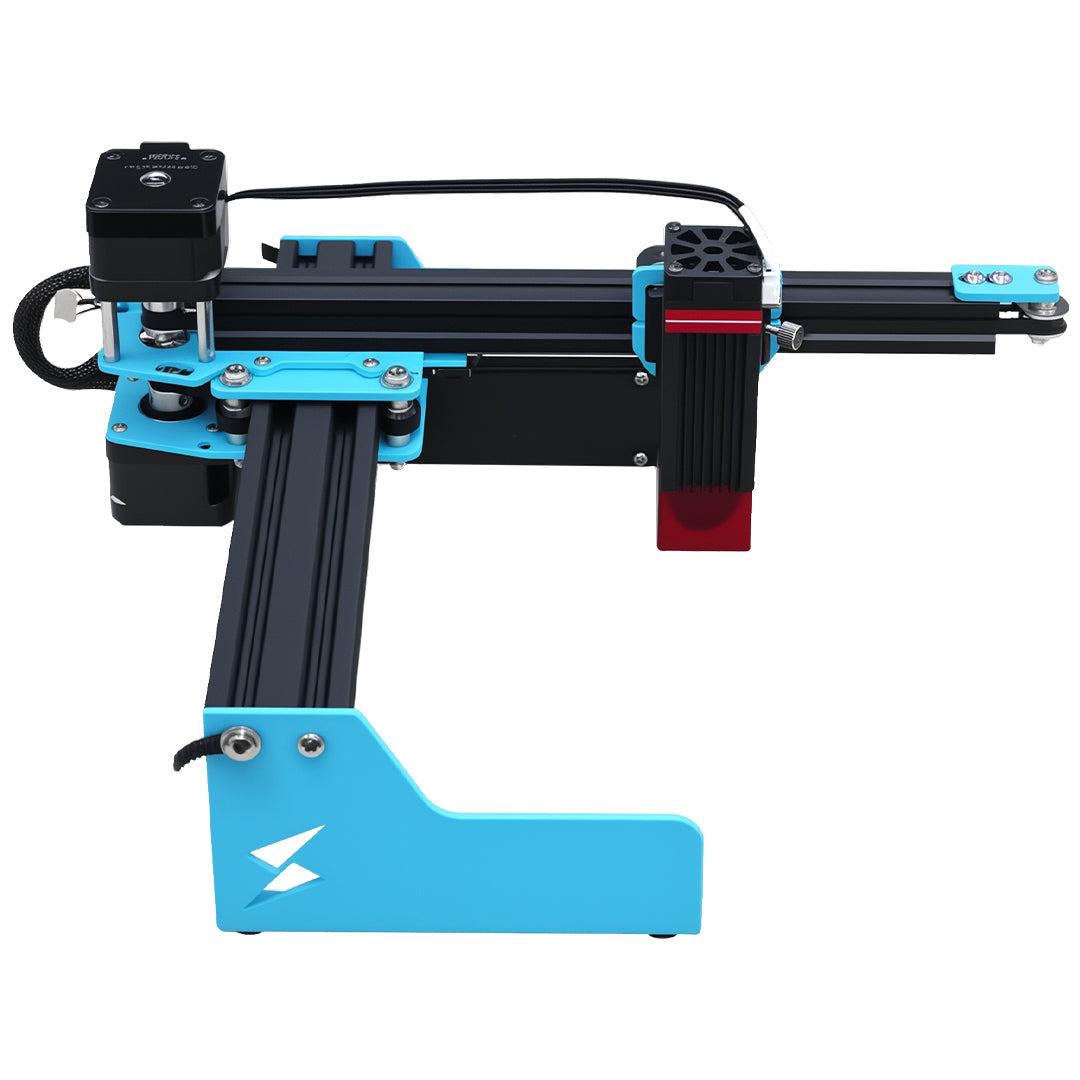
- **Budget laser engraver**: **Tyvok A1 Mini** ~$200-300
- **Budget 3D printer**: Ender 3 V3 ~$200-300
Operating Costs
Laser engraving typically has lower ongoing costs. You're working with existing materials rather than consuming expensive filament with each print.
Laser engraving costs:
- Electricity: Minimal
- Materials: Wood, leather, metal blanks ($1-20 per item)
- Maintenance: Lens cleaning, occasional belt replacement
3D printing costs:
- Electricity: Moderate (longer run times)
- Filament: $20-50 per kg
- Maintenance: Nozzle cleaning, bed leveling, part replacement
Speed and Productivity
Laser engraving is significantly faster for most applications. A typical engraving might take 1-10 minutes, while a comparable 3D print could take 1-10 hours.
Example: Creating a custom gift
- Laser engraving a cutting board: 5 minutes
- 3D printing a phone stand: 3 hours
If you're running a small business, this speed difference directly impacts your production capacity and profit margins.
Material Capabilities
Laser Engraving Materials
- Wood (all types)
- Leather (real and faux)
- Acrylic
- Glass (special techniques)
- Anodized aluminum
- Stone
- Paper and cardboard
- Some plastics
3D Printing Materials
- PLA (most common)
- ABS
- PETG
- Resin (for SLA printers)
- Flexible TPU
- Nylon
- Metal (industrial printers)
Quality and Precision
Both technologies can produce high-quality results, but in different ways:
Laser Engraving:
- Extremely fine detail possible
- Consistent results every time
- Professional-looking finishes
- No layer lines
3D Printing:
- Layer lines visible unless post-processed
- Quality depends heavily on calibration
- Resolution varies by printer type
- Sanding/painting often required
Learning Curve
Laser engraving generally has a gentler learning curve. Most people can produce quality results within a day or two of practice.
Laser Engraving Learning:
- Basic design principles
- Material settings
- Safety procedures
- Software operation
3D Printing Learning:
- 3D modeling or downloading models
- Slicer software settings (hundreds of variables)
- Bed leveling and adhesion
- Troubleshooting print failures
- Post-processing techniques
Business Applications
Best for Laser Engraving Businesses
- Personalized gifts
- Custom signage
- Wedding favors
- Pet products
- Promotional items
- Awards and trophies
Best for 3D Printing Businesses
- Custom prototypes
- Replacement parts
- Unique jewelry
- Cosplay accessories
- Miniatures and models
- Custom fixtures
Why Not Both?
Many successful maker businesses use both technologies together. Here's how they complement each other:
1. **Laser engrave 3D printed parts** for a professional finish
2. **3D print jigs and fixtures** to speed up laser production
3. **Offer customers both options** for maximum flexibility
Making Your Decision
Choose **laser engraving** if:
- You want to start a personalized products business
- Speed and productivity are important
- You prefer a gentler learning curve
- Lower operating costs appeal to you
Choose **3D printing** if:
- You need to create custom 3D objects
- You enjoy troubleshooting and technical challenges
- Prototyping is your primary goal
- You have patience for longer production times
Our Recommendation
For most people looking to start a small business or explore digital fabrication, we recommend starting with laser engraving. The **Tyvok A1 Mini** is an excellent entry point that offers professional results at an affordable price. Once you're established, you can always add a 3D printer to your toolkit.
Whichever path you choose, both technologies offer incredible creative and business opportunities. The key is to start with clear goals, practice consistently, and focus on quality.
Match the machine to the project
After checking the materials and workflow in this guide, review TYVOK P2 purchase options for a current configuration.