

Choose an introductory laser class by what you will personally do, not only by the finished object you will take home. Before booking, establish whether each participant gets file preparation, machine-operation practice under supervision and feedback on the result. A demonstration-only session can be useful, but it teaches a different amount of practical work.

A local introductory class announcement reported a sold-out session and invited interest in another. That shows people seeking instruction. The following comparison is a way to evaluate a course offer; it is not a complaint about that class.
Translate the class description into participant time
Ask how many working stations there are, how many learners attend, and which tasks are shared. “Two-hour class” does not mean two hours operating a machine. Setup explanations, safety instruction and group demonstrations all use part of the session, and they can be valuable when included deliberately.
An illustrative class might reserve 60 minutes for explanation and design, leaving 60 minutes at one station for four participants. An even split would leave 15 minutes per participant at that station. This is scheduling arithmetic, not a prediction of a provider's class. Ask the instructor how their actual rotation works and whether you can repeat a corrected step.
| Question to ask before booking | A concrete answer helps you compare |
|---|---|
| Who prepares the file? | Each learner edits a file, or the instructor supplies a finished one |
| Who positions and starts the job? | Named participant tasks performed under supervision |
| How is feedback given? | Time to inspect a result and discuss one specific improvement |
| What material and laser type are used? | Whether the exercise relates to your intended small wood project |
| What happens if a sample fails? | A defined discussion or repeat opportunity within the session |
Choose the lesson you need now
If your difficulty is software, a guided file-preparation session may be more valuable than pressing Start on a prepared design. If your file is already workable, supervised positioning and sample interpretation may matter more. Ask for the session outline in enough detail to tell those formats apart.
Compare the take-home learning with the take-home gift. A polished item is enjoyable, but you should also understand which decisions you made and why. Notes about the process and instructor feedback are more useful afterward than unexplained numerical settings copied from an unfamiliar machine.
Relate the course to a small A1 Mini setup
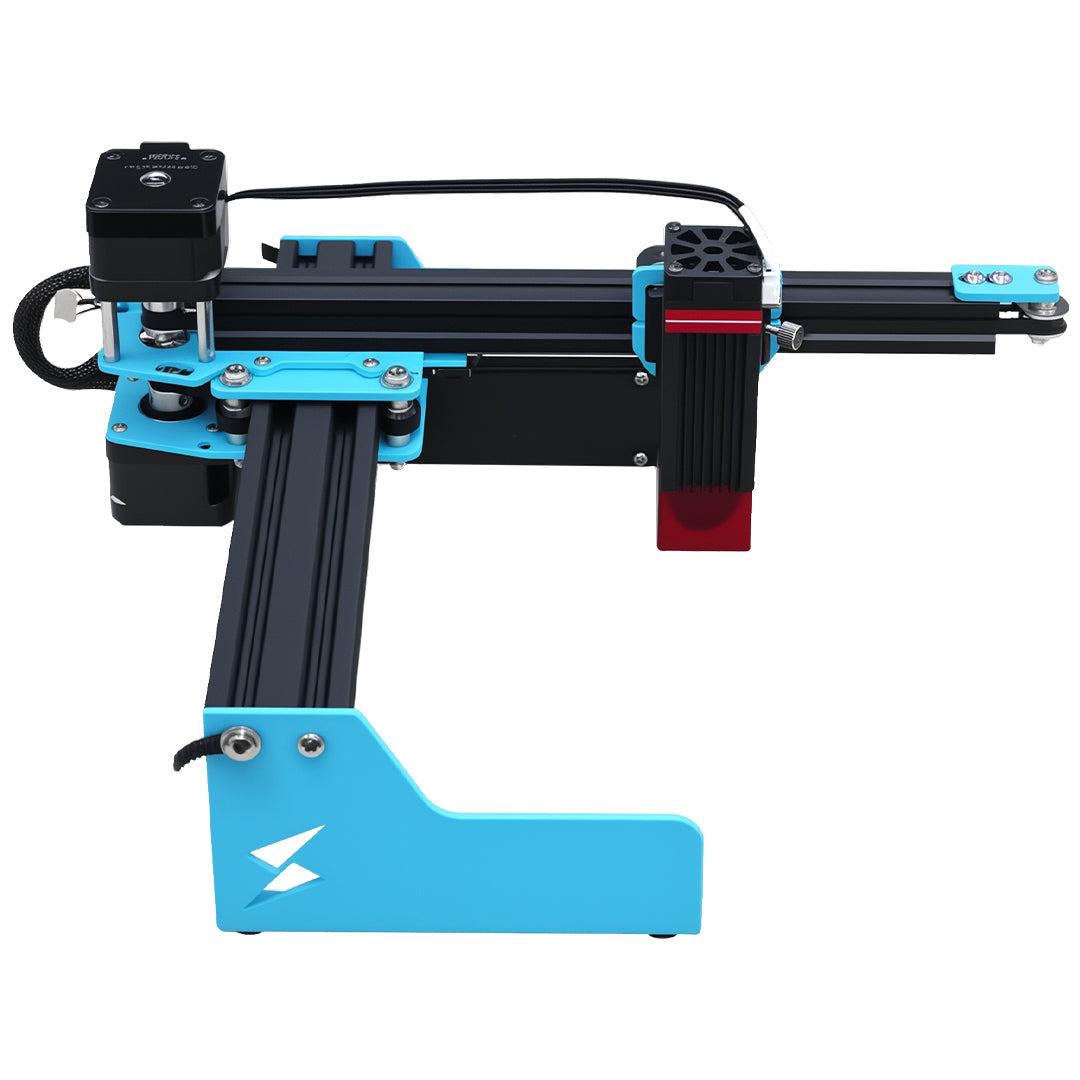
The A1 Mini is presented as a compact machine with a 120 × 130 mm work area. An industrial classroom laser can teach transferable design and observation habits while having different materials, controls and workspace requirements. Its settings and safety arrangements do not automatically transfer to your machine at home.
Plan a modest learning sample budget after the course. If the class reveals that you mainly enjoy personalization, compare precut wood shapes with making your own blanks before making cutting speed the basis of the purchase.
Is a demonstration-only workshop a waste of time?
No. It may be a good introduction to the process and equipment. Choose it with that expectation; if you need supervised hands-on practice, confirm that the booking explicitly includes it.
Should the class use the same laser as my planned machine?
It helps with model-specific operation, but it is not essential for learning artwork, measurement and result inspection. Ask the instructor to identify what is transferable and what must be learned from the A1 Mini's own instructions.