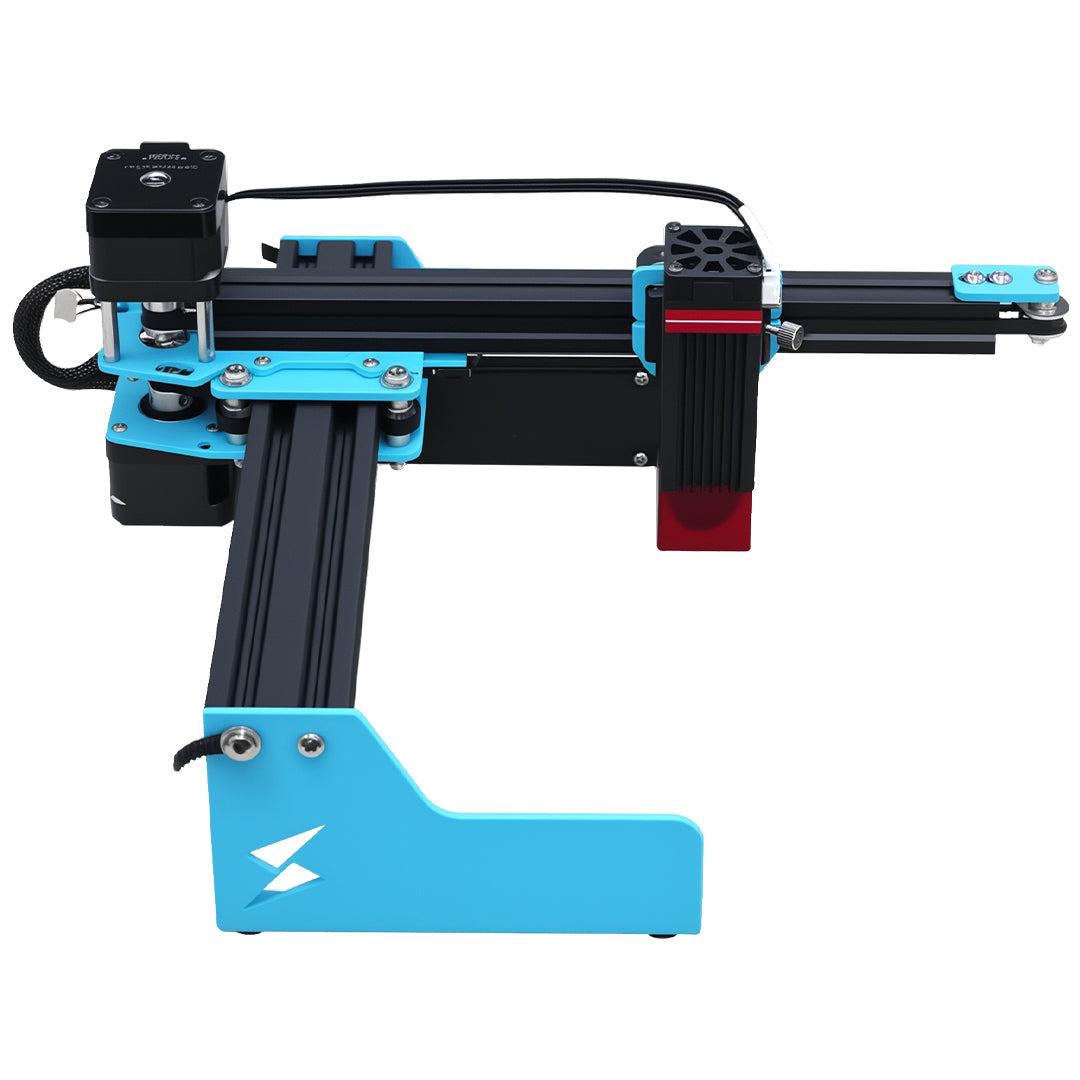


Short answer: Acrylic-style signs can be a useful X1S application, but material safety and supplier control matter more than broad promises. This guide treats the official TYVOK video as a visual reference, not as a guarantee that every acrylic or plastic sheet is safe or suitable.

Watch the official TYVOK video on YouTube.
Safety boundary first
Do not laser unknown plastic. Do not laser PVC, vinyl, or any material without reliable safety information. Confirm the exact material from the supplier, review available safety documentation such as an SDS when available, use proper ventilation, wear appropriate eye protection for the machine and laser type, keep fire monitoring active, and never leave a laser job unattended. Follow the machine manual and local safety rules before selling any plastic or acrylic-style product.
Pre-test safety checklist
- Confirm the material name from the supplier; do not rely on “plastic,” “clear sheet,” or marketplace shorthand.
- Reject PVC, vinyl, and unknown mixed plastics.
- Check whether the supplier provides safety documentation or material data.
- Use ventilation or exhaust appropriate for laser work and the workspace.
- Use eye protection and machine guarding appropriate to the laser setup.
- Keep fire response tools nearby and supervise the job from start to finish.
- Test a small offcut before making a customer-facing product.
Material decision table
| Question | Why it matters | Action |
|---|---|---|
| Is the sheet truly acrylic? | Acrylic-like plastics can behave differently and may be unsafe. | Confirm supplier material data before testing. |
| Is it clear, colored, coated, or painted? | Visual result and laser behavior can change by surface and color. | Test a small sample before selling. |
| Is the product meant for signage? | Customers judge readability, edge quality, and display finish. | Photograph both full sign and close-up detail. |
| Can the shop ventilate properly? | Fumes and odor must be controlled. | Plan ventilation before accepting orders. |
Products to test conservatively
- Retail display signs
- Event table signs
- Brand panels
- Decorative plaques
- Packaging or product display inserts
Display sign workflow
- Choose one known material source and one thickness or format for the first offer.
- Create a small readability test with the font size, logo detail, and viewing distance customers need.
- Photograph the sign in its display context, not only on the workbench.
- State care, indoor/outdoor assumptions, and mounting expectations conservatively.
- Keep a rejected-sample note so the shop remembers which materials or colors did not work well.
What this page should not promise
It should not promise that all acrylic cuts, engraves, or marks the same way. It should not promise odor-free operation, universal compatibility, or a specific production speed. The useful buyer takeaway is safer material selection and a repeatable sign workflow.
When X1S helps, and when P2 is enough
X1S helps when the sign or display panel needs more physical area than a compact setup. For small tags, compact labels, or small personalization tests, compare TYVOK P2 first. For larger signage and display panels, compare TYVOK X1S and the X1S / X1S Pro buying guide.